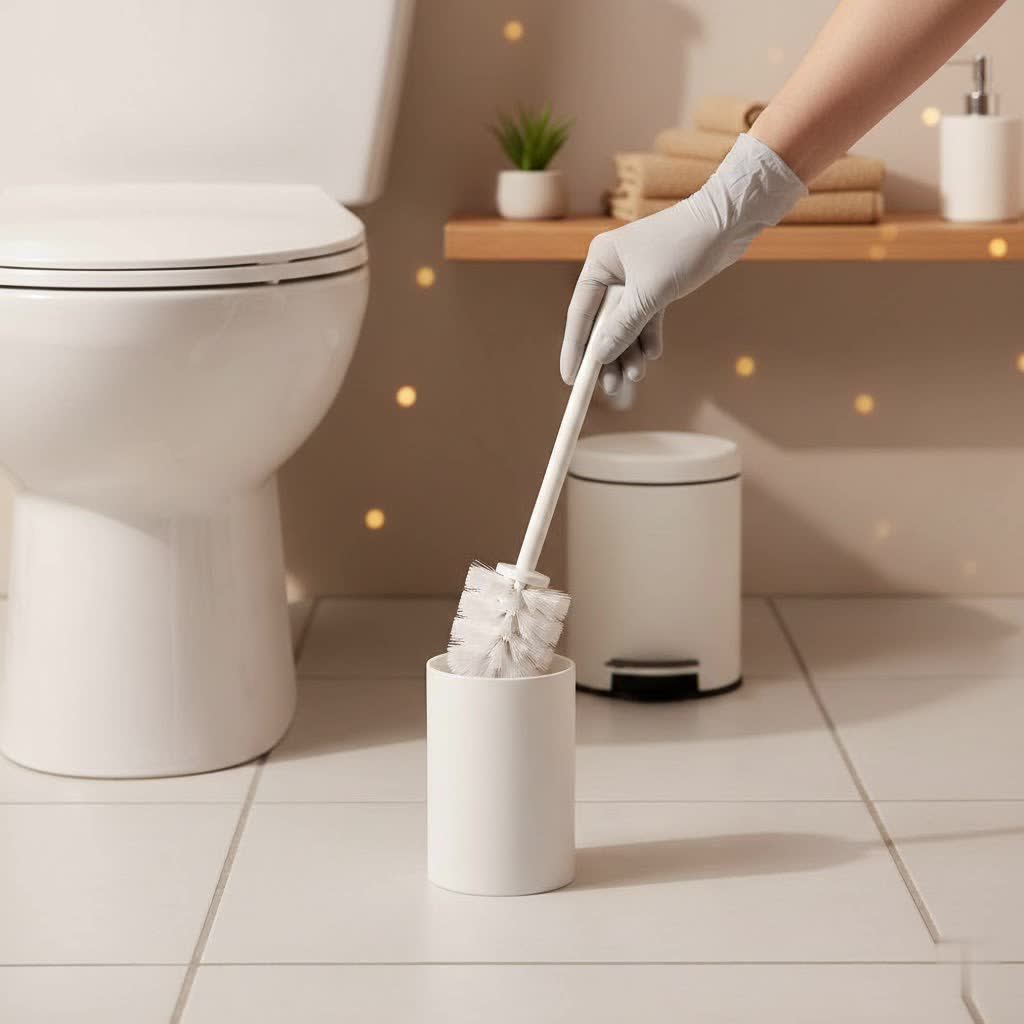
Maintaining a pristine bathroom is a mark of a truly clean home, and at the heart of this endeavor lies a surprisingly impactful tool: the humble toilet bowl cleaner brush. Often an afterthought, the right toilet brush can transform a dreaded chore into a manageable task, ensuring your toilet bowl remains hygienically clean and visually appealing. Whether you’re battling tough stains, seeking a more sanitary option, or simply upgrading your cleaning arsenal, understanding what makes a great toilet brush is key to achieving that sparkling finish.
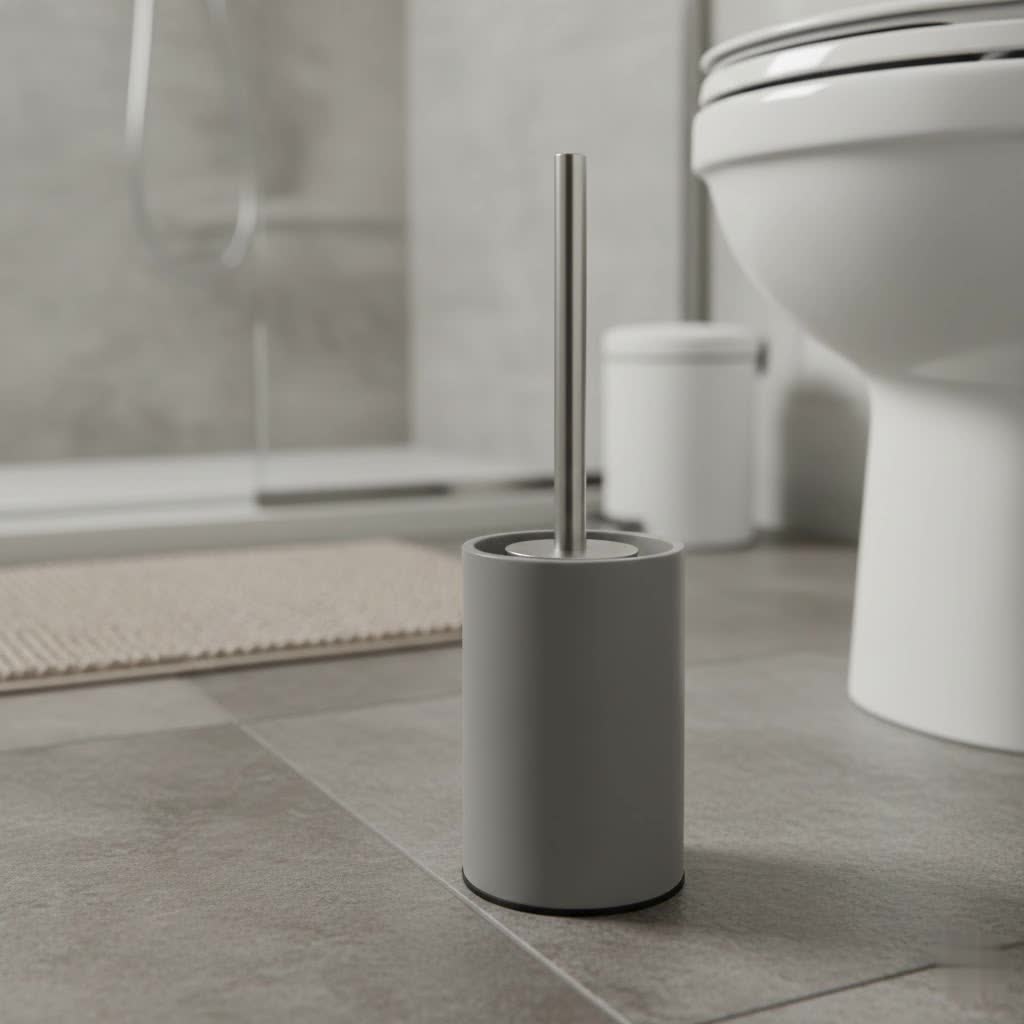
What is a Toilet Bowl Cleaner Brush and Why Do You Need One?
A toilet bowl cleaner brush is a specialized cleaning tool designed to scrub and remove grime, stains, and bacteria from the interior surfaces of your toilet bowl, including the often-overlooked area under the rim. Far more than just a convenience, using an effective toilet brush is crucial for maintaining proper bathroom hygiene and preventing the buildup of unsightly mineral deposits and germs.
This essential tool comes in various forms, each offering distinct advantages for different cleaning styles and preferences. From traditional bristled models to modern silicone designs and even disposable systems, the array of choices reflects a growing emphasis on efficiency, hygiene, and aesthetic integration within the bathroom space. Without a dedicated brush, achieving a thorough and sanitary clean for one of the busiest spots in your home would be incredibly challenging.
Factors to Consider When Buying the Best Toilet Bowl Cleaner Brush
Choosing the Best Toilet Bowl Cleaner Brush involves more than just picking the first one you see. Several crucial factors contribute to a brush’s effectiveness, durability, and overall user experience.
Types of Toilet Brushes
The market offers a diverse range of toilet brush types, each with its unique cleaning mechanism and benefits.
- Traditional Bristle Brushes: These are the classic choice, featuring firm nylon or plastic bristles attached to a handle. They are known for their scrubbing power, effective at dislodging stubborn grime and stains. However, their porous bristles can sometimes trap debris and bacteria, requiring diligent cleaning and proper drying.
- Silicone Brushes: Gaining popularity, silicone brushes feature soft, flexible, non-porous heads. Their design makes them excellent for reaching tight spots and under the rim, and they are inherently more hygienic as they resist bacteria buildup and rinse clean easily. While generally effective, some users find them less aggressive for heavy-duty scrubbing compared to stiff bristles.
- Disposable Wand Systems: These systems consist of a reusable handle that attaches to disposable cleaning pads infused with cleaner. After use, the pad is simply detached and discarded, offering maximum hygiene and convenience by eliminating the need to clean the brush itself. The main drawback is the ongoing cost of refills and their environmental impact.
- Electric Scrubber Brushes: For those seeking a more effortless clean, electric scrubbers utilize rotating heads to power through grime. They can significantly reduce manual effort, often coming with interchangeable heads for various tasks. These are typically more expensive and require charging or batteries.
|
Our Picks for the Best Toilet Brush in 2026
We may earn a commission when you use one of our links to make a purchase.
|
||
| Num | Product | Action |
|---|---|---|
| 1 | Compact Toilet Brush & Holder, Stainless Steel Handle, Space Saving for Storage, Deep Cleaning, Drip-Proof, Easy to Assemble, Nylon Bristles, White & Grey |

|
| 2 | OXO Good Grips Compact Toilet Brush & Canister, Toilet Bowl Brush and Holder with Automatic Canister Door, Bathroom and Small Spaces Cleaning Supplies Essential |
|
| 3 | MR.SIGA Toilet Bowl Brush and Holder, Premium Quality, with Solid Handle and Durable Bristles for Bathroom Cleaning, White, 1 Pack |
|
| 4 | Clorox Under-Rim Toilet Bowl Brush with Corner Storage Caddy, 16 x 5 x 5.5 in |
|
| 5 | HAMITOR Toilet Bowl Brush Holder Set: Bathroom Deep Cleaning Toilet Cleaner Scrubber Under Rim with Curved Bristle for Dead Corner Clean - Hidden Rv Toilet Decorative Accessories with Caddy- Gray |
|
| 6 | MR.SIGA Toilet Bowl Brush and Holder, Premium Quality, with Solid Handle and Durable Bristles for Bathroom Cleaning, Gray, 1 Pack |
|
| 7 | SetSail Toilet Brush and Holder, Self Closing Lid Toilet Bowl Brushes Holder and Extra Long Handle Ventilated Toilet Brush Set for Bathroom Cleaning, Nylon Bristles, Black |
|
| 8 | OXO Good Grips Compact Toilet Brush & Canister - Gray |
|
| 9 | MR.SIGA Toilet Bowl Brush and Holder, Premium Quality, with Solid Handle and Durable Bristles for Bathroom Cleaning, Black, 1 Pack |
|
| 10 | HAMITOR Toilet Bowl Brush Holder Set: Bathroom Deep Cleaning Toilet Cleaner Scrubber Under Rim with Curved Bristle for Dead Corner Clean - Hidden Rv Toilet Decorative Accessories with Caddy- White |
|
Material
The materials used in a toilet brush significantly impact its performance, durability, and how hygienic it remains over time.
- Bristle/Head Material:
- Nylon/Plastic: Common in traditional brushes, these bristles offer good scrubbing power and are generally durable.
- Silicone: Highly favored for its non-porous nature, making it resistant to bacteria and easy to clean. It’s gentle on porcelain while still effective.
- Disposable Pads: Typically made of synthetic fibers designed to hold cleaning solution and be discarded after a single use.
- Handle Material:
- Plastic: Lightweight and affordable, but can feel less sturdy.
- Stainless Steel/Metal: Provides a modern aesthetic, superior durability, and added strength, making handles less prone to breaking and contributing to a longer product lifespan.
Design
Thoughtful design elements can drastically improve the functionality and user experience of a toilet brush.
- Brush Head Design: Look for shapes and sizes that can effectively clean all areas of your toilet bowl. Many brushes feature angled or specialized contours to reach under the rim, a common breeding ground for grime and bacteria.
- Handle Design: A good handle should be long enough to keep your hands at a comfortable distance from the bowl, minimizing splashing. An ergonomic grip ensures comfort and control during scrubbing, reducing strain on your wrist.
- Holder Design: The holder is almost as important as the brush itself. A sturdy holder prevents tipping, and features like built-in ventilation or drainage holes help the brush dry quickly, preventing unpleasant odors and inhibiting bacterial growth. Options include freestanding or wall-mounted designs, allowing for optimal bathroom organization and aesthetic integration.
Features
Modern toilet brushes often incorporate specialized features to enhance cleaning efficacy and user convenience.
- Antibacterial Properties: Some brushes or their holders are treated with antimicrobial agents to further inhibit germ growth, contributing to a more hygienic bathroom.
- Rim Cleaner Capabilities: Brushes with specific angled sections or flexible heads are designed to reach and effectively scrub under the toilet rim, a notorious area for hidden grime.
- Easy to Clean and Dry: Non-porous materials like silicone that rinse clean easily, and holders designed for quick air drying, are crucial for maintaining hygiene and extending the life of your brush.
- Disposable Heads: Found in wand systems, these offer the ultimate in hygiene, as you discard the dirty head after each use, eliminating the need to clean the brush itself.
- Eco-Friendliness: For environmentally conscious consumers, options include brushes made from recycled materials, natural fibers, or highly durable materials like stainless steel that minimize the need for frequent replacement.
Comparing Popular Toilet Brush Types
Here’s a comparison of common toilet brush types to help you weigh their advantages and disadvantages:
| Feature | Traditional Bristle Brush | Silicone Brush | Disposable Wand System | Electric Scrubber Brush |
|---|---|---|---|---|
| Type | Bristle (nylon/plastic) | Flexible (silicone) | Disposable pads | Motorized head (various materials) |
| Material | Plastic handle, nylon/plastic bristles | Plastic/metal handle, silicone head | Plastic wand, disposable pads (synthetic) | Plastic/metal handle, interchangeable heads |
| Design | Round/oval head, various handle lengths | Flat, flexible, or paddle-shaped head, often compact | Long wand with release button, compact caddy | Ergonomic handle, often with extension, rotating head |
| Key Features | Strong scrubbing action, durable bristles | Hygienic, quick-drying, good for under-rim | Ultimate hygiene, pre-filled cleaner pads | Reduces manual effort, deep cleaning |
| Pros | Cost-effective, excellent for tough scrubbing | Hygienic, doesn’t scratch porcelain, less splashing | Most sanitary, no brush cleaning needed, convenient | Powerful cleaning, ideal for physical limitations |
| Cons | Can harbor bacteria, prone to splashing, hard to clean | May require more effort for stubborn stains | Recurring cost of refills, environmental waste | Higher initial cost, requires charging/batteries |
| Best For | General deep cleaning, budget-conscious users | Everyday cleaning, hygiene-focused users | Hands-free cleaning, germ-averse individuals | Heavy-duty cleaning, reduced physical strain |
How to Choose the Right Toilet Bowl Cleaner Brush: A Buying Guide
Navigating the options can be overwhelming, but a systematic approach will lead you to the perfect toilet brush for your home.
Assess Your Cleaning Needs
Begin by considering your specific requirements. Do you clean your toilet daily, or is it a weekly task? Are hard water stains a persistent problem, or do you mostly deal with light grime? Do you have a toilet with particularly tight curves or a deep rim that’s hard to reach? Your answers will guide your choice, influencing factors like brush head flexibility and scrubbing power. Also, determine your budget; while high-end brushes offer advanced features, effective and affordable options are readily available.
Research and Compare Products
Before making a purchase, invest a little time in research. Read product reviews from trusted sources and fellow consumers. Pay attention to feedback regarding durability, cleaning effectiveness, ease of use, and overall satisfaction. Compare features such as bristle material, handle length, holder design, and any specialized cleaning capabilities like rim scrubbers. Looking at several options will help you understand the market and pinpoint what truly matters for your cleaning routine.
Purchase from Reputable Retailers
Once you’ve identified a few top contenders, purchase your chosen toilet brush from reputable stores or online retailers. This ensures you receive a genuine product and have access to reliable customer service and clear return policies, should you encounter any issues. Always inspect the product upon arrival to ensure quality and completeness.
Top Toilet Bowl Cleaner Brushes: Popular Options to Consider
While specific brand recommendations can vary based on personal preference and current market offerings, certain types and features consistently receive high praise from users and cleaning experts.
For superior rim cleaning, brushes featuring angled bristles or flexible silicone squeegee-like heads are often lauded. These designs are specifically engineered to reach deep under the toilet rim, tackling hidden grime that traditional round brushes miss. Many top-rated options also come with sturdy, ventilated holders that ensure proper drying and discreet storage.
Silicone toilet brushes have become a favorite for those prioritizing hygiene and ease of maintenance. Their non-porous nature means they shed water quickly and are resistant to bacteria, making them remarkably simple to rinse clean after use. While some may find them less abrasive than traditional bristles for very tough stains, their flexibility and sanitary benefits are undeniable.
For the utmost in cleanliness and convenience, disposable toilet wand systems are highly popular. These systems allow you to clean with a fresh, pre-loaded pad each time and dispose of it immediately, virtually eliminating contact with germs. They are particularly favored by those who prefer a hands-free approach to cleaning and want to avoid storing a germ-laden brush.
Finally, compact and aesthetically pleasing designs are increasingly sought after. Many leading toilet brushes now offer sleek profiles and modern finishes that blend seamlessly into various bathroom decors, proving that even a cleaning tool can contribute to the overall style of your space.
Tips for Using and Maintaining Your Toilet Bowl Cleaner Brush
Proper usage and maintenance are crucial to maximize the effectiveness and lifespan of your toilet brush, while also ensuring optimal hygiene.
- Use Correctly: Apply your chosen toilet cleaner to the bowl and allow it to sit for the recommended time before scrubbing. Use firm, circular motions, ensuring you reach all surfaces, including deep within the bowl and thoroughly under the rim with an appropriately designed brush head.
- Clean After Every Use: After scrubbing, rinse the brush thoroughly by flushing the toilet and holding the brush in the swirling water. For extra disinfection, you can spray the bristles with an antibacterial cleaner or pour a small amount of toilet cleaner directly onto the brush head before placing it back in its holder.
- Disinfect Regularly: At least once a week, soak your toilet brush head in a disinfectant solution. A mixture of diluted bleach or vinegar in the toilet bowl (after cleaning) for 10-15 minutes can effectively kill lingering bacteria. Ensure the brush dries completely before being stored.
- Store Properly: Always store your toilet brush in a holder that allows for adequate air circulation. Holders with drainage holes or open designs help prevent moisture buildup, which can lead to mold, mildew, and unpleasant odors. A clean, dry brush is essential for a hygienic bathroom.
Conclusion
Choosing the best toilet bowl cleaner brush is a small decision that yields significant results for your bathroom’s cleanliness and your peace of mind. By considering the various types, materials, designs, and features available, you can select a tool that not only tackles grime effectively but also aligns with your hygiene priorities and aesthetic preferences. Remember, a well-chosen and properly maintained toilet brush is your frontline defense against dirt and germs, transforming a mundane task into an effortless step towards a truly sparkling and sanitary space. Which type of toilet brush will you choose to elevate your bathroom cleaning routine?
Frequently Asked Questions
What is the most hygienic type of toilet brush?
Silicone toilet brushes and disposable wand systems are generally considered the most hygienic options. Silicone’s non-porous surface resists bacterial growth and is easy to rinse clean, while disposable wands offer ultimate sanitation by allowing you to discard the dirty head after each use, preventing germ transfer.
How often should I replace my toilet brush?
For traditional bristled brushes, it’s recommended to replace them every six months, or sooner if the bristles become worn, discolored, or start to flatten. Silicone brushes can last longer due to their durability and ease of cleaning, but should still be replaced if they show signs of damage or wear. Disposable systems require regular replacement of their cleaning pads.
Can I use a silicone toilet brush for tough stains?
Silicone toilet brushes are highly effective for everyday cleaning and reaching under the rim due to their flexible design. While they may require a bit more effort for very stubborn, set-in stains compared to stiff-bristled brushes, their gentle nature ensures they won’t scratch porcelain, making them an excellent choice when paired with an effective toilet cleaner.
What features should I look for in a toilet brush holder?
A good toilet brush holder should be sturdy to prevent tipping and designed to allow the brush to dry quickly. Look for features like ventilation holes, an open design, or a drip tray to prevent moisture buildup and inhibit bacterial growth. A discreet or aesthetically pleasing design that complements your bathroom decor is also a valuable consideration.