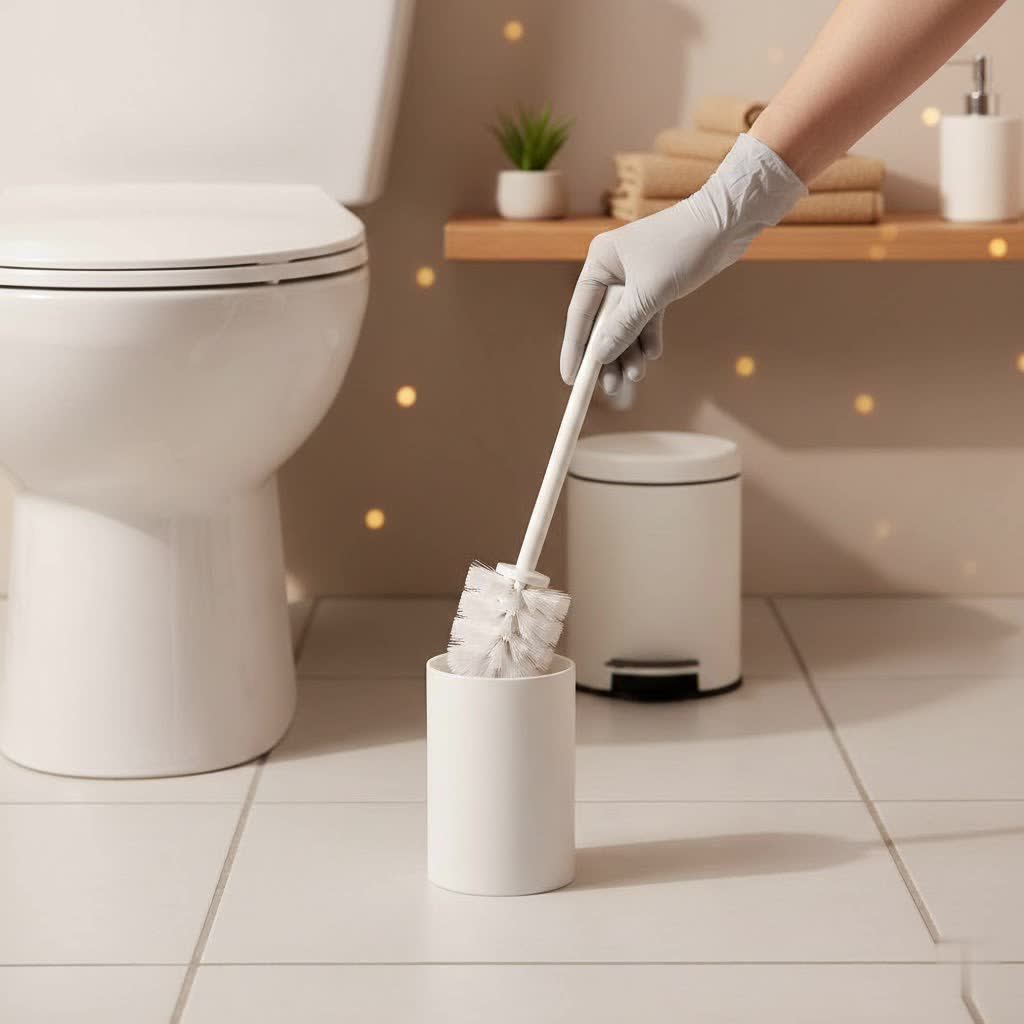
A clean bathroom isn’t just about aesthetics; it’s fundamental to a healthy home environment. While often overlooked, the humble Toilet Brush Cleaner plays a pivotal role in achieving this, tackling grime and germs that accumulate in one of the most used areas of your house. But with countless options available, how do you choose the right one, use it effectively, and keep it hygienic? This comprehensive guide will navigate you through everything you need to know about selecting, utilizing, and maintaining your toilet brush cleaner to ensure your bathroom remains sparkling and sanitized.
What is a Toilet Brush Cleaner and Why is it Essential?
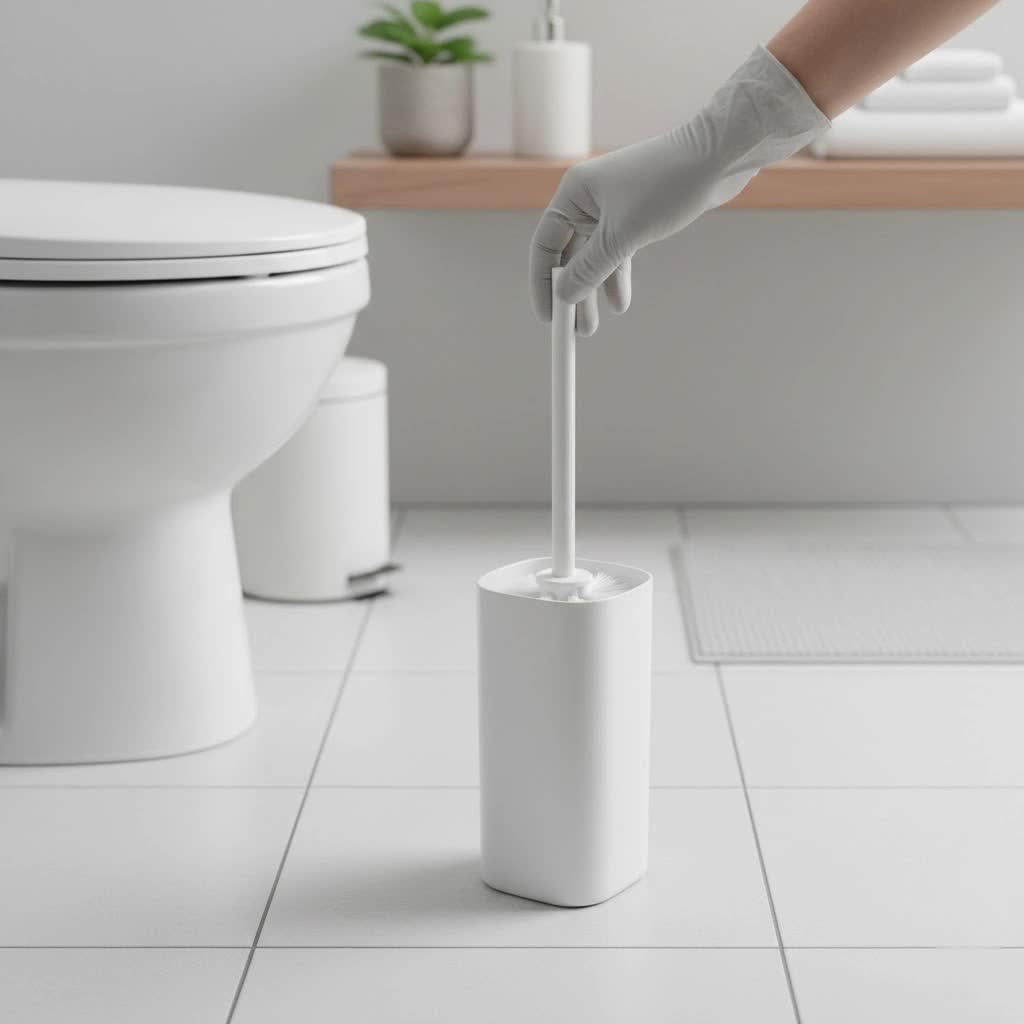
At its core, a toilet brush cleaner is a specialized tool designed to scrub and remove stains, grime, and bacteria from the interior surfaces of a toilet bowl. It’s more than just a brush; it’s a critical component of bathroom hygiene. Regular use prevents the buildup of unsightly rings and hard water stains, inhibits germ proliferation, and maintains a fresh-smelling environment. Without an effective toilet brush cleaner, reaching under the rim and into the bowl’s crevices for thorough cleaning would be a challenging and unsanitary task. From traditional bristle designs to innovative silicone and disposable systems, these tools are indispensable for any cleaning routine.
Factors to Consider When Buying a Toilet Brush Cleaner
Choosing the right toilet brush cleaner isn’t a one-size-fits-all decision. Several factors influence its effectiveness, durability, and ease of use. Understanding these elements will help you make an informed choice that suits your specific needs and preferences.
Type of Toilet Brush
The market offers a variety of toilet brush types, each with distinct advantages and disadvantages.
- Traditional Bristle Brush: These are the classic toilet brushes, typically featuring stiff plastic or nylon bristles.
- Pros: Excellent scrubbing power for tough stains and grime. Often more affordable. Many come with angled bristles to reach under the rim.
- Cons: Can retain water and debris, making them harder to keep hygienic. Bristles can wear out, splay, and harbor bacteria over time.
- Silicone Toilet Brush: Characterized by flexible, non-porous silicone “bristles” or squeegee-like blades.
- Pros: More hygienic as they resist water retention, dry quickly, and are less likely to harbor bacteria or odors. Often durable and gentle on surfaces.
- Cons: May offer less aggressive scrubbing power than stiff bristles for very stubborn stains. Some users find them less effective at dislodging solid debris.
- Disposable Toilet Wand Systems: These systems feature a reusable handle that attaches to single-use scrubbing pads, often pre-filled with cleaning solution.
- Pros: Extremely hygienic; you simply use and dispose of the cleaning head, eliminating the need to clean or store a dirty brush. Convenient and effective for disinfection.
- Cons: Generates more waste due to disposable pads. Ongoing cost for replacement heads can be higher than a one-time brush purchase.
- Electric Toilet Brush: These power-assisted brushes come with rotating heads, reducing manual scrubbing effort.
- Pros: Minimal effort required for thorough cleaning. Can be highly effective against stubborn stains with various interchangeable heads.
- Cons: Generally more expensive. Requires charging or batteries. Can be bulky to store.
|
Our Picks for the Best Toilet Brush in 2026
We may earn a commission when you use one of our links to make a purchase.
|
||
| Num | Product | Action |
|---|---|---|
| 1 | Clorox Under-Rim Toilet Bowl Brush with Corner Storage Caddy, 16 x 5 x 5.5 in |

|
| 2 | MR.SIGA Toilet Bowl Brush and Holder, Premium Quality, with Solid Handle and Durable Bristles for Bathroom Cleaning, Gray, 1 Pack |
|
| 3 | HAMITOR Toilet Bowl Brush Holder Set: Bathroom Deep Cleaning Toilet Cleaner Scrubber Under Rim with Curved Bristle for Dead Corner Clean - Hidden Rv Toilet Decorative Accessories with Caddy- Gray |
|
| 4 | OXO Good Grips Compact Toilet Brush & Canister, Toilet Bowl Brush and Holder with Automatic Canister Door, Bathroom and Small Spaces Cleaning Supplies Essential |
|
| 5 | MR.SIGA Toilet Bowl Brush and Holder, Premium Quality, with Solid Handle and Durable Bristles for Bathroom Cleaning, White, 1 Pack |
|
| 6 | Compact Toilet Brush & Holder, Stainless Steel Handle, Space Saving for Storage, Deep Cleaning, Drip-Proof, Easy to Assemble, Nylon Bristles, White & Grey |
|
| 7 | MR.SIGA Toilet Bowl Brush and Holder, Premium Quality, with Solid Handle and Durable Bristles for Bathroom Cleaning, Black, 1 Pack |
|
| 8 | HAMITOR Toilet Bowl Brush Holder Set: Bathroom Deep Cleaning Toilet Cleaner Scrubber Under Rim with Curved Bristle for Dead Corner Clean - Hidden Rv Toilet Decorative Accessories with Caddy- White |
|
| 9 | SetSail Toilet Brush and Holder, Self Closing Lid Toilet Bowl Brushes Holder and Extra Long Handle Ventilated Toilet Brush Set for Bathroom Cleaning, Nylon Bristles, Black |
|
| 10 | OXO Good Grips Compact Toilet Brush & Canister - Gray |
|
Material
The materials used in a toilet brush cleaner dictate its performance, longevity, and hygiene.
- Bristle Material: Nylon and plastic bristles are common, offering stiffness for effective scrubbing and resistance to cleaning chemicals. Silicone offers a non-porous alternative, promoting better hygiene and faster drying.
- Handle Material: Handles are often made of plastic for affordability or stainless steel for durability and a more premium feel. An ergonomic grip is crucial for comfort and control.
- Holder Material: Holders range from plastic to stainless steel. Look for holders with good ventilation or drip trays to prevent standing water and mildew growth.
Design
Thoughtful design elements significantly impact a toilet brush cleaner’s usability and effectiveness.
- Brush Head Shape: Angled, pointed, or flat heads are designed to reach challenging areas like under the rim and the toilet trap. A hexagonal head can effectively clean every crevice.
- Handle Design: A long handle keeps your hands clear of the bowl, while an ergonomic grip ensures comfortable and secure handling, preventing strain during cleaning.
- Holder Design: A stable, non-tipping holder is essential. Ventilated designs or those with removable drip trays promote faster drying and prevent bacterial growth, contributing to overall bathroom hygiene. A compact design is ideal for smaller bathrooms.
Features
Modern toilet brush cleaners often come with additional features to enhance cleaning and convenience.
- Antimicrobial Properties: Some brushes or holders are treated with antimicrobial agents to inhibit bacterial growth.
- Under-Rim Cleaning Capability: Specialized bristles or flexible heads are designed to thoroughly clean the often-missed area beneath the toilet rim.
- Easy to Clean and Store: Brushes that are easy to rinse and holders that promote quick drying contribute to better hygiene and longevity.
- Integrated Cleaning Solution Dispensers: Certain models have a reservoir in the handle to dispense cleaning solution directly, offering a hands-free and efficient cleaning process.
Comparing Popular Toilet Brush Cleaner Types
To help visualize the differences, here’s a comparison of the main types of toilet brush cleaners:
| Type | Primary Material | Design Pros | Key Features | Price Range (Approx.) | Best For |
|---|---|---|---|---|---|
| Traditional Bristle | Plastic/Nylon Bristles, Plastic/Metal Handle | Stiff bristles for strong scrubbing | Durable, often angled for rim cleaning | $10 – $25 | Everyday heavy-duty scrubbing, budget-conscious |
| Silicone | Silicone Bristles, Plastic/Metal Handle | Flexible, non-porous, quick-drying | Hygienic, resistant to odors/bacteria | $15 – $35 | General cleaning, hygiene-focused users |
| Disposable Wand | Plastic Handle, Disposable Cleaning Pads | Hands-free disposal, compact storage | Pre-loaded cleaner, ultimate hygiene, deep disinfection | $12 – $30 (initial kit) | Those prioritizing hygiene and convenience |
| Electric | Various brush heads, Plastic/Metal Handle | Motorized scrubbing, interchangeable heads | Reduced manual effort, versatile cleaning | $40 – $70+ | Deep cleaning, limited mobility, tech enthusiasts |
Choosing the right type depends on your cleaning frequency, the type of stains you typically encounter, and your personal hygiene preferences. For instance, while silicone brushes are highly hygienic, stiff plastic bristles often provide more effective scrubbing for tough, baked-on stains.
Your Guide to Purchasing the Perfect Toilet Brush Cleaner
Navigating the options can be overwhelming, but a systematic approach will lead you to the best toilet brush cleaner for your home.
Assess Your Cleaning Needs
Start by understanding your specific requirements. Do you need a brush for daily touch-ups or for tackling significant grime? Are hard water stains a persistent problem? Consider the shape of your toilet bowl; some brushes are better suited for specific bowl designs or hard-to-reach areas. Finally, determine your budget, as prices can vary widely based on type and features.
Research and Compare
Once you have a clear idea of your needs, dive into research. Read product reviews from trusted consumer sites and expert cleaning labs. These often provide insights into real-world performance, durability, and user satisfaction. Compare features, materials, and designs across different brands. Pay attention to how well brushes clean under the rim and how easy they are to keep clean themselves.
Buy from Reputable Retailers
Always purchase your toilet brush cleaner from reputable stores or online retailers. This ensures you receive a genuine product and have recourse for returns or exchanges if needed. Check for clear return policies and product warranties. Examining the product in person, if possible, can give you a better feel for its quality and ergonomics.
Top Toilet Brush Cleaners Loved by Users
Based on extensive testing and user feedback, several toilet brush cleaners consistently receive high marks for their effectiveness and design.
- OXO Good Grips Toilet Brush with Rim Cleaner: Often praised for its ergonomic handle and angled bristles that effectively reach under the rim. Its compact canister discreetly stores the brush and allows for ventilation.
- Clorox Disinfecting ToiletWand Cleaning System: A favorite for its unparalleled hygiene. The disposable scrubbing pads are pre-filled with powerful cleaner, providing a hands-free and deeply sanitizing experience without the need to clean a dirty brush.
- Sellemer Silicone Toilet Brush and Holder: Known for its hygienic silicone head that repels water and prevents bacterial buildup. It dries quickly and is often lauded for its sleek design and durability.
- Better Living Products Looeez Hygienic Toilet Squeegee: This silicone squeegee-style cleaner excels at removing messes with minimal swipes, thanks to its flexible head and perfectly angled top blades that get under the rim. Water simply rolls off, making it exceptionally clean.
- Bell + Howell Scrubtastic Electric Spin Scrubber: For those seeking minimal effort, this electric option makes light work of tough stains. It comes with multiple interchangeable heads for versatile cleaning.
These top picks represent a range of designs and functionalities, ensuring there’s an excellent option for every cleaning preference.
Tips for Effective Use and Hygienic Maintenance of Your Toilet Brush Cleaner
Even the best toilet brush cleaner requires proper usage and maintenance to remain effective and hygienic. Neglecting these steps can turn your cleaning tool into a source of germs.
How to Use Your Toilet Brush Correctly
For optimal cleaning, always apply toilet bowl cleaner and allow it to sit for the recommended time before scrubbing. Use firm, circular motions, paying special attention to the waterline and under the rim. An angled brush head is crucial for reaching the hidden grime under the rim. After scrubbing, let the cleaner work for a few minutes before flushing.
Cleaning the Toilet Brush After Use
Maintaining the hygiene of your toilet brush is just as important as cleaning the toilet itself. After each use, rinse the brush thoroughly in the clean toilet water by flushing while holding the brush in the swirling water. For deeper disinfection, spray the brush head generously with a disinfectant spray or hydrogen peroxide, ensuring all surfaces are covered. “Prop the brush under the toilet seat, allowing it to drip dry completely before returning it to its holder,” advises cleaning expert, Mary Marlowe Leverette. This simple step prevents moisture from accumulating, which can lead to mildew and bacterial growth.
Cleaning the Toilet Brush Holder
The holder can become a breeding ground for germs if not cleaned regularly. Empty any standing water or debris from the holder. Fill a bucket with hot water and a disinfectant (like bleach or a hydrogen peroxide solution). Submerge the holder for 10-15 minutes. Scrub its interior and exterior with an old toothbrush or cleaning brush, then rinse thoroughly with hot water. Dry the holder completely with a cloth or by air-drying before placing the clean, dry brush back inside.
When to Replace Your Toilet Brush
Even with diligent cleaning, toilet brushes don’t last forever. Most experts recommend replacing your toilet brush every six months, or sooner if you notice signs of wear. “Replace your brush whenever it becomes discolored, starts to lose bristles, or develops an odor that cannot be washed away,” states a cleaning expert. Disposable wand systems require only the pads to be replaced, while reusable brushes might offer replacement heads.
Conclusion
The toilet brush cleaner, though a mundane item, is an indispensable ally in maintaining a hygienic and inviting bathroom. By understanding the different types, considering essential features like material and design, and committing to proper use and rigorous maintenance, you can ensure this essential tool always performs at its best. From traditional bristle brushes for robust scrubbing to innovative silicone and disposable systems for enhanced hygiene, there’s a perfect solution for every home. Don’t underestimate the impact of a clean toilet brush on your overall bathroom sanitation.
What steps will you take today to upgrade your toilet brush cleaner game?
Câu Hỏi Thường Gặp
How often should I clean my toilet brush and its holder?
You should rinse your toilet brush in clean toilet water after every use. For a deeper disinfection, clean both the brush and its holder at least once a month, or more frequently if the brush is not allowed to dry properly after each use.
Are silicone toilet brushes truly more hygienic than bristle brushes?
Silicone toilet brushes are generally considered more hygienic because their non-porous material and flexible blades repel water and are less likely to trap debris, dry faster, and resist bacterial growth and odors more effectively than traditional bristles.
Can I use bleach to clean my toilet brush?
Yes, you can use bleach to disinfect your toilet brush. Fill a bucket with hot water and a small amount of bleach, submerge the brush and holder for at least an hour, then rinse thoroughly. Always handle bleach with care and ensure proper ventilation.
How do I prevent my toilet brush from smelling bad?
To prevent odors, always rinse your toilet brush thoroughly after use, spray it with a disinfectant like hydrogen peroxide, and ensure it air-dries completely before returning it to its holder. A well-ventilated holder can also help.
What features are most important for reaching under the toilet rim?
Look for toilet brushes with an angled head or flexible silicone blades specifically designed to reach under the rim. Some traditional brushes also feature stiff, extra-long bristles at an angle to tackle this notoriously difficult area effectively.