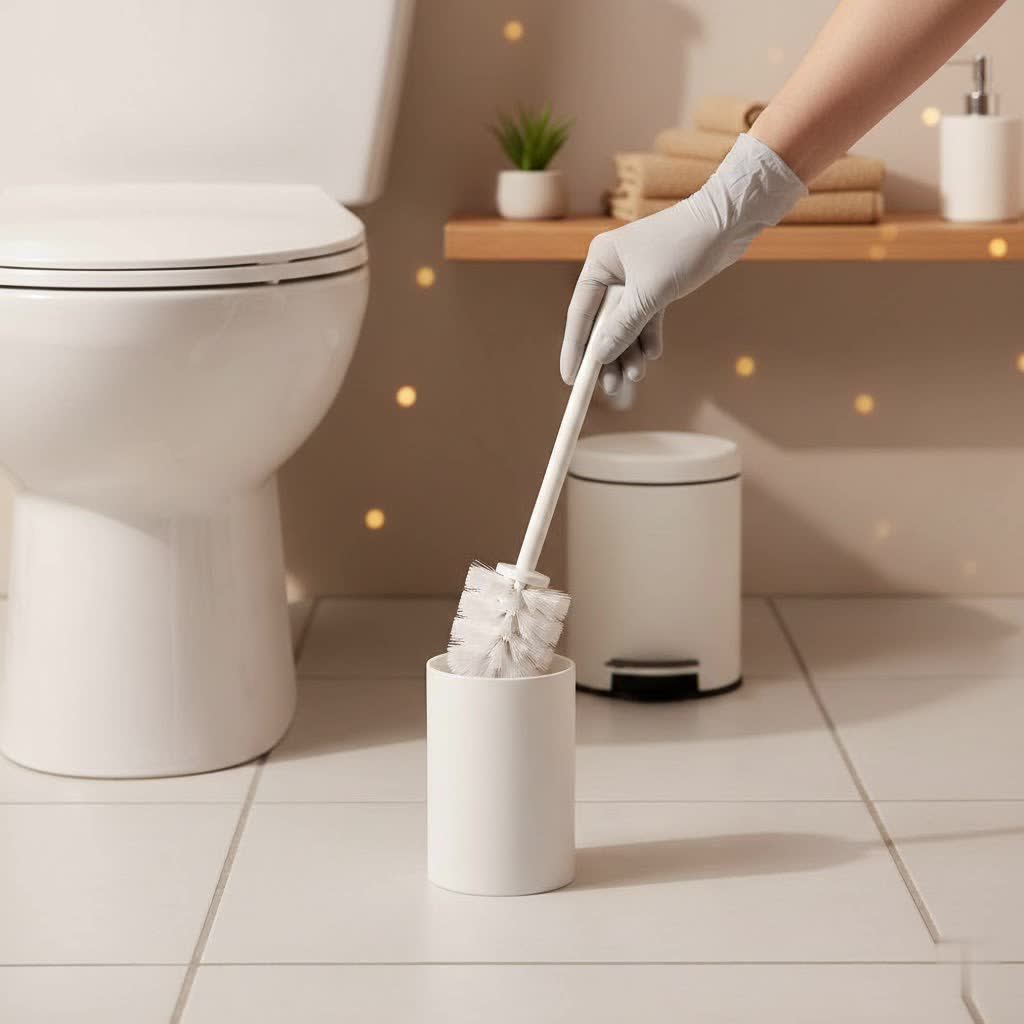
Maintaining a pristine bathroom environment is essential for hygiene and comfort, and at the heart of this task lies an often-overlooked hero: the toilet brush. Far from being a mere afterthought, the right toilet brush can significantly impact the effectiveness of your cleaning routine, ensuring your toilet bowl remains free from stains, bacteria, and unpleasant odors. But with an array of options available, from traditional bristle brushes to innovative silicone designs, how do you select the best one for your home?
This comprehensive guide delves into everything you need to know about toilet brushes, helping you navigate the choices and find a product that aligns with your cleaning needs, aesthetic preferences, and hygiene standards. We’ll explore the different types, key features, and maintenance tips to ensure your bathroom truly sparkles.
What is a Toilet Brush and Why Do You Need It?
A toilet brush is a specialized cleaning tool designed to scrub and remove grime, stains, and bacteria from the interior surfaces of a toilet bowl, including the often-missed area under the rim. While it may not be the most glamorous bathroom accessory, its importance in maintaining a hygienic home cannot be overstated. Regular use of a toilet brush helps prevent the buildup of unsightly rings and mineral deposits, minimizing the spread of germs and ensuring a sanitary environment. Without an effective toilet brush, achieving a truly clean and odor-free toilet becomes a much more challenging task.
Factors to Consider When Buying a Toilet Brush
Choosing the ideal toilet brush involves more than just picking the first one you see. Several factors contribute to its overall effectiveness, durability, and hygiene. Understanding these elements will help you make an informed decision.
Type of Toilet Brush
|
Our Picks for the Best Toilet Brush in 2026
We may earn a commission when you use one of our links to make a purchase.
|
||
| Num | Product | Action |
|---|---|---|
| 1 | MR.SIGA Toilet Bowl Brush and Holder, Premium Quality, with Solid Handle and Durable Bristles for Bathroom Cleaning, Black, 1 Pack |

|
| 2 | HAMITOR Toilet Bowl Brush Holder Set: Bathroom Deep Cleaning Toilet Cleaner Scrubber Under Rim with Curved Bristle for Dead Corner Clean - Hidden Rv Toilet Decorative Accessories with Caddy- White |
|
| 3 | MR.SIGA Toilet Bowl Brush and Holder, Premium Quality, with Solid Handle and Durable Bristles for Bathroom Cleaning, Gray, 1 Pack |
|
| 4 | MR.SIGA Toilet Bowl Brush and Holder, Premium Quality, with Solid Handle and Durable Bristles for Bathroom Cleaning, White, 1 Pack |
|
| 5 | OXO Good Grips Compact Toilet Brush & Canister - Gray |
|
| 6 | SetSail Toilet Brush and Holder, Self Closing Lid Toilet Bowl Brushes Holder and Extra Long Handle Ventilated Toilet Brush Set for Bathroom Cleaning, Nylon Bristles, Black |
|
| 7 | OXO Good Grips Compact Toilet Brush & Canister, Toilet Bowl Brush and Holder with Automatic Canister Door, Bathroom and Small Spaces Cleaning Supplies Essential |
|
| 8 | HAMITOR Toilet Bowl Brush Holder Set: Bathroom Deep Cleaning Toilet Cleaner Scrubber Under Rim with Curved Bristle for Dead Corner Clean - Hidden Rv Toilet Decorative Accessories with Caddy- Gray |
|
| 9 | Clorox Under-Rim Toilet Bowl Brush with Corner Storage Caddy, 16 x 5 x 5.5 in |
|
| 10 | Compact Toilet Brush & Holder, Stainless Steel Handle, Space Saving for Storage, Deep Cleaning, Drip-Proof, Easy to Assemble, Nylon Bristles, White & Grey |
|
The market offers various types of toilet brushes, each with distinct advantages and disadvantages.
Traditional Bristle Toilet Brush
These brushes typically feature stiff nylon or plastic bristles. They are widely available, inexpensive, and generally effective at scrubbing away tough stains due to their abrasive nature.
- Pros: Cost-effective, good for heavy-duty scrubbing, widely accessible.
- Cons: Bristles can wear out, trap debris, harbor bacteria and moisture, and can be harder to clean themselves. They may also struggle to reach under the toilet rim effectively.
Silicone Toilet Brush
Silicone brushes are a modern alternative, characterized by their flexible, non-porous silicone heads. These have gained popularity for their hygienic properties.
- Pros: Highly hygienic as silicone is non-porous and resists bacterial growth, dries quickly, durable, easier to clean than traditional bristles, and gentle on toilet surfaces, preventing scratches. Many can even be sterilized or boiled for deep cleaning.
- Cons: Some users find they require more effort or wrist maneuvering for effective scrubbing compared to stiff bristles, and they might be less effective on very stubborn stains.
Disposable Toilet Brush
Disposable systems, like the Clorox Toilet Wand, combine a reusable handle with single-use scrubbing pads pre-loaded with cleaner. After use, the pad is simply discarded.
- Pros: Extremely convenient and hygienic, as there’s no need to clean or store a dirty brush head. Eliminates the “gross-out” factor.
- Cons: Less eco-friendly due to continuous waste, and replacement pads can add to ongoing costs. The scrubbing power might also be less robust than traditional brushes for deeply embedded stains.
Electric Toilet Brush
Electric or motorized toilet brushes offer a hands-off cleaning experience with rotating heads that provide a deeper clean with less effort.
- Pros: Provides powerful scrubbing with minimal user effort, effective for deep cleaning.
- Cons: Generally pricier, may require batteries or regular charging, and can be bulkier than manual options.
Material
The material of your toilet brush significantly impacts its durability, cleaning ability, and hygiene.
- Plastic (Bristles/Handle/Holder): Common and affordable, but plastic bristles can degrade and harbor bacteria over time. Plastic holders are convenient but should be well-ventilated.
- Silicone: Non-porous, highly resistant to bacteria and mold, quick-drying, and long-lasting. Ideal for hygiene-conscious users.
- Stainless Steel (Handle/Holder): Offers a sleek, modern aesthetic and enhanced durability. Stainless steel handles are rugged and long-lasting, often paired with matching holders for a cohesive look.
- Natural Fibers/Wood (Eco-friendly options): For the environmentally conscious, wooden handles with natural fiber bristles (e.g., coconut husk, bamboo) are biodegradable and sustainable.
Design
Thoughtful design enhances both the effectiveness and user experience of a toilet brush.
- Brush Head Design:
- Shape: Round heads offer comprehensive coverage, while flat or angled heads are better suited for reaching under the toilet rim and into tight crevices.
- Stiffness: Stiff bristles are excellent for tough stains, while softer ones may be gentler on the toilet surface.
- Handle Design: A good handle should be long enough to keep your hands away from the bowl, yet comfortable to grip firmly without wobbling. Ergonomic and non-slip grips can reduce strain during scrubbing.
- Holder Design: The holder is crucial for hygiene and aesthetics. Look for features like drip trays, ventilation systems to promote quick drying and prevent mold, or closed designs for discrete storage. A sturdy holder won’t tip over easily.
Features
Beyond the basic design, certain features can elevate a toilet brush’s performance.
- Antimicrobial Properties: Some brushes are treated with antimicrobial agents or made from materials like silicone that naturally resist bacterial growth.
- Rim Cleaner: Brushes with angled bristles or specialized designs for reaching under the toilet rim are essential for a thorough clean, as this area is a common breeding ground for germs.
- Easy to Clean and Store: A brush that rinses clean easily and a holder that allows for proper ventilation and drying contribute significantly to overall hygiene and longevity.
- Replaceable Heads: Some reusable models offer interchangeable brush heads, allowing you to replace only the worn-out head rather than the entire unit, which is cost-effective and environmentally friendly.
So, Which Toilet Brush Should You Choose?
The “best” toilet brush largely depends on your priorities.
| Feature | Traditional Bristle Brush | Silicone Brush | Disposable Wand System | Electric Brush |
|---|---|---|---|---|
| Hygiene | Can harbor bacteria, harder to clean. | Highly hygienic, non-porous, quick-drying, resists bacteria. | Extremely hygienic (new head each time). | Hygienic if heads are disinfected/replaced. |
| Cleaning Power | Good for tough scrubbing, stiff bristles. | Effective, but may require more effort for stubborn stains. | Good, especially with pre-loaded cleaner. | Powerful, hands-free scrubbing. |
| Durability | Bristles wear out over time. | Very durable, retains shape, long-lasting. | Handle lasts, heads are single-use. | Durable motor/handle, heads may be replaceable. |
| Ease of Cleaning | More difficult to rinse thoroughly, can retain debris. | Very easy to rinse clean, can be sterilized. | No cleaning required for the head. | Heads need disinfecting or replacement. |
| Cost | Low initial cost, frequent replacement. | Moderate to high initial cost, long-term savings due to durability. | Moderate initial cost, ongoing cost for refills. | High initial cost, potential battery/head replacement. |
| Eco-Friendliness | Less eco-friendly (plastic waste). | More eco-friendly (longer lifespan, less frequent replacement). | Least eco-friendly (single-use plastic). | Varies by head replacement options. |
| Rim Cleaning | Can struggle, look for angled designs. | Flexible heads can reach well. | Hexagonal heads often designed for rim access. | Various head shapes can reach under the rim. |
Recommendations
- For the Hygiene-Focused: A silicone toilet brush is often the top choice due to its superior hygienic properties and ease of cleaning.
- For Budget-Conscious & Tough Stains: A traditional bristled brush with sturdy, angled bristles can be effective, though remember to replace it frequently.
- For Ultimate Convenience: A disposable toilet wand system is unmatched for ease of use and germ elimination, despite the ongoing cost and environmental impact.
- For a Modern & Powerful Clean: An electric toilet brush offers powerful, effortless cleaning, ideal for those who prefer minimal manual scrubbing.
How to Buy the Perfect Toilet Brush (Buying Guide)
Navigating the options can be overwhelming, but a systematic approach helps. Here’s a step-by-step buying guide to help you choose the best toilet brush for your bathroom.
1. Determine Your Usage Needs and Preferences
Before you start shopping, consider how you intend to use the toilet brush.
- Frequency: Do you need a brush for daily maintenance or just for weekly deep cleaning?
- Specific Requirements: Do you have tough hard water stains that require abrasive bristles, or are you primarily concerned with maintaining general hygiene? Are you looking for eco-friendly options?
- Budget: How much are you willing to spend? Prices can range significantly, but a higher price doesn’t always guarantee superior performance.
2. Research Products and Read Reviews
Once you have a clear idea of your needs, start gathering information.
- Online Reviews: Read product reviews on reputable retail websites and cleaning blogs. Pay attention to comments regarding cleaning effectiveness, durability, handle comfort, and holder stability.
- Expert Opinions: Consult reviews from cleaning experts or consumer testing labs for unbiased recommendations.
- Material and Design: Look for brushes with features that match your preferences, such as flexible silicone heads for hygiene or angled plastic bristles for under-rim cleaning.
3. Consider the Holder and Storage
The toilet brush holder is just as important as the brush itself for maintaining hygiene and aesthetics.
- Ventilation: Choose a holder with good ventilation to allow the brush to dry quickly, preventing mold and mildew growth and odors.
- Stability: Ensure the holder is sturdy and won’t easily tip over.
- Discretion: Some prefer closed holders that conceal the brush for a tidier appearance, while others opt for open designs that promote faster drying.
- Space: Consider the available space in your bathroom. Compact or wall-mounted options can be great for smaller bathrooms.
4. Purchase from Reputable Retailers
To ensure you receive a quality product and good customer service, buy your toilet brush from established stores or trusted online retailers.
- Return Policy: Check the return and exchange policies in case the product doesn’t meet your expectations.
- Product Inspection: If buying in-store, inspect the brush for any visible defects.
Top Toilet Brushes to Consider
Based on extensive research and consumer feedback, here are some highly-rated toilet brushes that offer excellent performance and value:
- OXO Good Grips Toilet Brush with Rim Cleaner: Often praised for its ergonomic handle and effective angled bristles that reach under the rim. It comes with a canister that stays open while in use and allows for quick drying.
- Sellemer Toilet Brush and Holder: A popular silicone option known for its flexible head, ease of cleaning, and compact, hygienic holder.
- Joseph Joseph Flex Smart Toilet Brush: Features a D-shaped, flexible silicone head designed to reach all areas of the bowl, including under the rim. It’s known for its sleek design and hygienic properties.
- Clorox ToiletWand Disposable Cleaning System: Ideal for those prioritizing ultimate hygiene and convenience, offering a fresh, pre-loaded cleaning pad for each use.
- simplehuman Toilet Brush with Caddy: This model often features a crescent-shaped head for effective cleaning and a stainless steel handle with a magnetic collar on the holder that suspends the brush for quick, hygienic drying.
Tips for Using and Maintaining Your Toilet Brush
Proper usage and regular maintenance are crucial for extending the life of your toilet brush and ensuring optimal hygiene.
Effective Usage Tips
- Apply Cleaner First: Always apply a toilet bowl cleaner and let it sit for the recommended time before scrubbing. This allows the cleaner to break down stains and kill germs.
- Scrub Thoroughly: Pay attention to all areas of the bowl, including the waterline and especially under the rim, using an angled brush head if available.
- Rinse in Clean Water: After scrubbing, flush the toilet and rinse the brush thoroughly in the clean water of the bowl to remove any debris or cleaner residue.
- Disinfect Regularly: At least once a week, disinfect your brush. You can do this by letting it soak in a solution of hot water and bleach for an hour in a separate bucket (never mix cleaning products) or by spraying it liberally with hydrogen peroxide after rinsing.
Maintenance and Storage Tips
- Air Dry Completely: This is paramount to prevent the growth of bacteria, mold, and unpleasant odors. After rinsing, hang the brush by wedging the handle under the toilet seat, allowing it to drip dry directly into the bowl. Ensure it’s completely dry before returning it to its holder.
- Clean the Holder: Don’t forget the holder! It can accumulate drips and harbor germs. Clean it weekly with hot soapy water or a disinfectant spray, rinsing and drying it thoroughly.
- Replace When Needed: Even with proper care, toilet brushes don’t last forever. Replace traditional bristled brushes every six months or sooner if the bristles become worn, flattened, or discolored. Silicone brushes typically last longer due to their durability.
“The secret to a truly clean bathroom often lies in the details. A well-maintained toilet brush is not just a tool; it’s a guardian of your bathroom’s hygiene.”
Conclusion
The humble toilet brush, while often overlooked, plays a vital role in maintaining a clean and hygienic bathroom. From traditional bristled options to advanced silicone designs and convenient disposable systems, the array of choices means there’s a perfect toilet brush for every household. By considering factors like material, design, and specific features, and by committing to proper usage and maintenance, you can ensure your toilet brush remains an effective tool, contributing to a sparkling clean and germ-free home.
Which toilet brush will you choose to elevate your bathroom cleaning routine?
Frequently Asked Questions
How often should I replace my toilet brush?
Traditional bristled toilet brushes should typically be replaced every six months or when bristles become worn or discolored, as they can harbor bacteria and lose effectiveness. Silicone brushes, being more durable and hygienic, often last much longer.
Are silicone toilet brushes really more hygienic than traditional ones?
Yes, microbiologists generally agree that silicone toilet brushes are more hygienic. Their non-porous surface resists bacterial growth, dries quickly, and is easier to clean thoroughly compared to porous nylon or plastic bristles that can trap moisture and debris.
Can I clean my toilet brush in the dishwasher?
While some silicone brush heads may be dishwasher safe, it’s generally not recommended for hygiene reasons due to the potential for cross-contamination. It’s better to clean and disinfect your toilet brush separately using a bleach or hydrogen peroxide solution.
How can I prevent my toilet brush from dripping on the floor?
After rinsing your toilet brush in the clean toilet bowl, place the handle under the toilet seat, allowing the brush head to hang and drip dry directly into the bowl. Once thoroughly dry, return it to its holder.
What’s the best way to clean a toilet brush holder?
Rinse the toilet brush holder with hot water, then spray it with a disinfectant cleaner or a hydrogen peroxide solution. Allow it to sit, then scrub with a cleaning cloth or sponge, rinse thoroughly, and ensure it’s completely dry before placing the brush back inside.