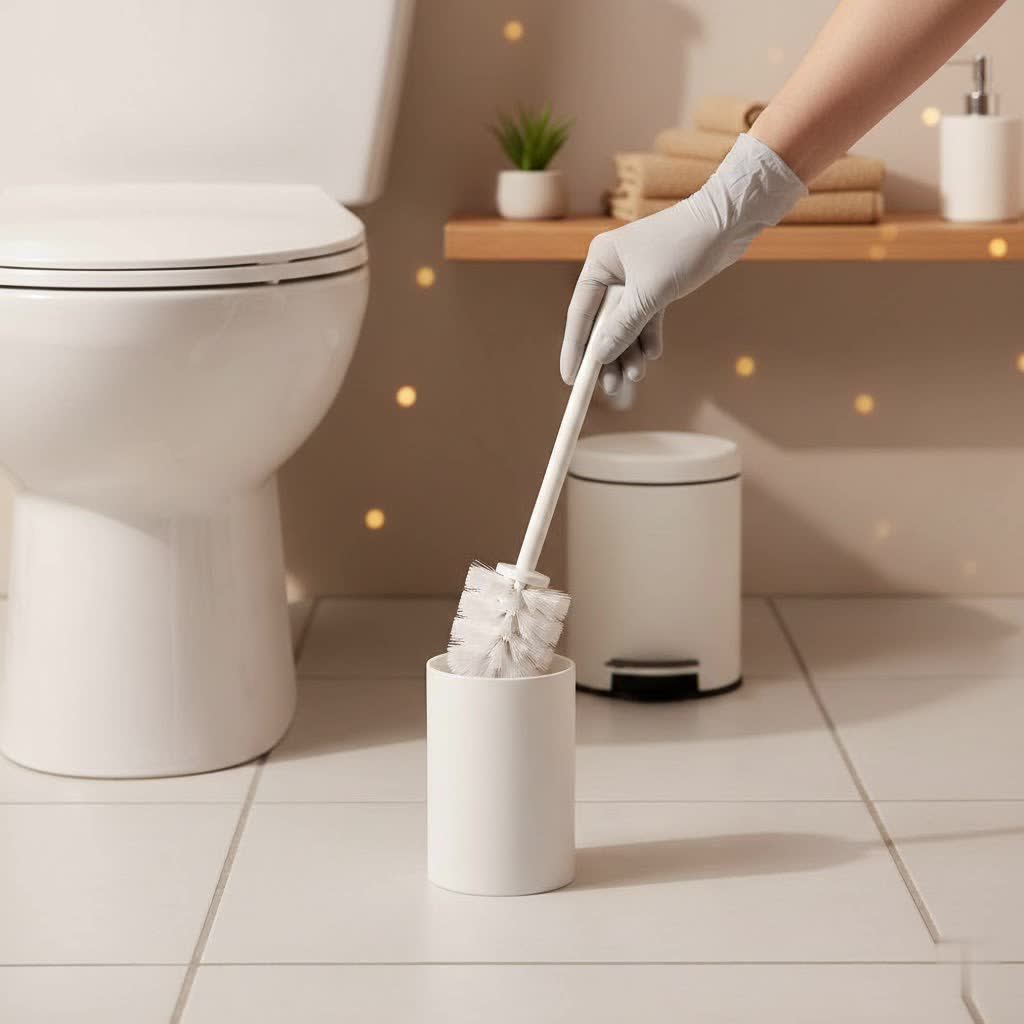
Keeping your bathroom pristine is a simple task that makes a huge difference in your home’s overall cleanliness. While often overlooked, the toilet bowl brush is a frontline tool in this essential battle against grime and stains. Choosing the right one can transform a dreaded chore into a swift, effective process, ensuring sparkling results every time. But with countless options available, how do you find the Best Toilet Bowl Brush that truly stands out? This comprehensive guide will equip you with the knowledge to make an informed decision, ensuring your porcelain throne remains spotless with minimal effort.
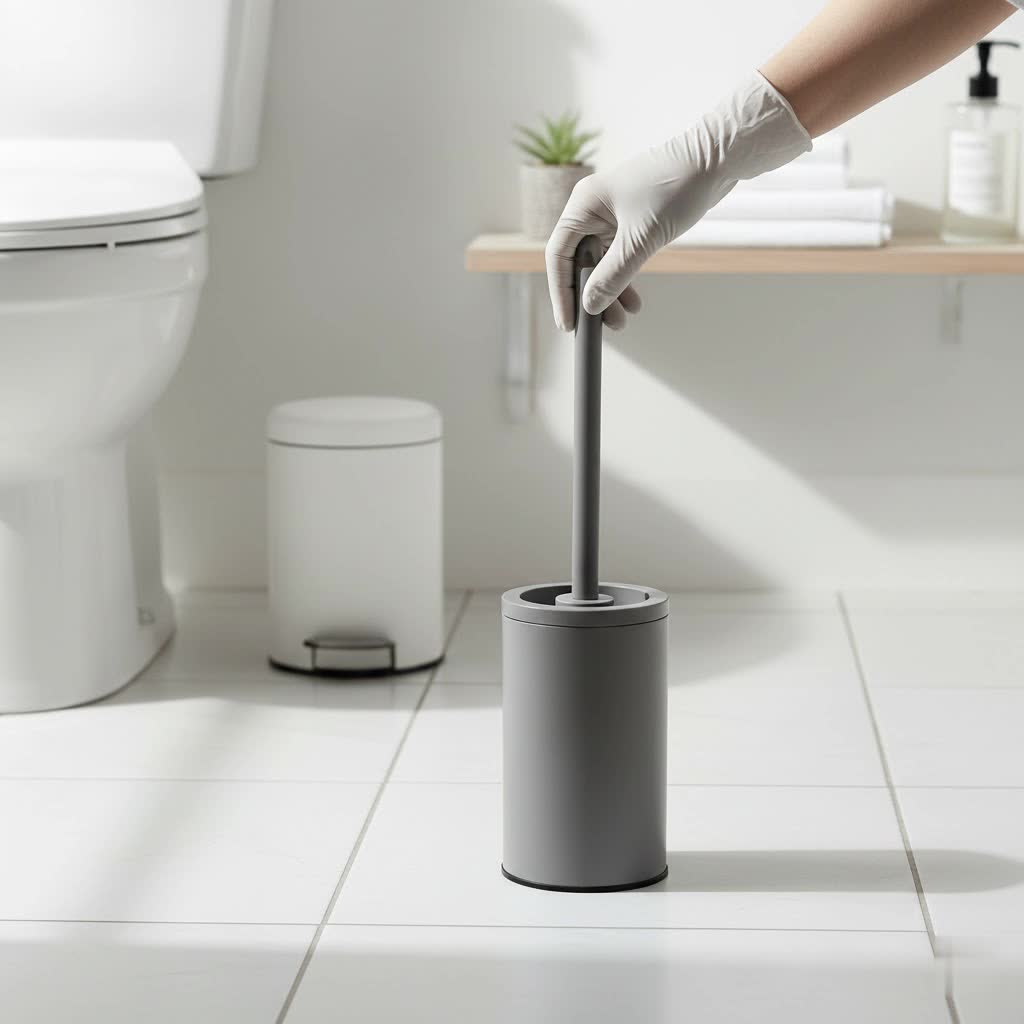
What is a Toilet Bowl Brush and Why Do You Need One?
A toilet bowl brush is a specialized cleaning tool designed to scrub the interior surfaces of a toilet. Typically featuring a long handle and a head with bristles or flexible cleaning pads, its primary purpose is to remove unsightly stains, mineral deposits, and other debris that accumulate over time. While modern toilets are often designed for efficient flushing, manual scrubbing is indispensable for deep cleaning and reaching areas like under the rim, where bacteria and grime frequently hide. Utilizing a dedicated toilet brush regularly is key to maintaining optimal hygiene, preventing unpleasant odors, and prolonging the life of your toilet’s pristine finish.
There are several common types of toilet brushes you’ll encounter on the market, each with unique advantages tailored to different cleaning preferences and needs.
Factors to Consider When Buying a Toilet Bowl Brush
Selecting the ideal toilet bowl brush involves more than just picking the first one you see. Several key factors influence its effectiveness, durability, and overall user experience.
Type of Toilet Bowl Brush
The cleaning performance and hygiene level of a toilet brush are largely determined by its fundamental type. Each design offers distinct benefits and drawbacks.
- Traditional Bristle Toilet Brushes: These are the classic choice, typically featuring stiff plastic or nylon bristles.
- Pros: Excellent scrubbing power for stubborn stains, widely available, and generally affordable. Many models include angled bristles specifically for reaching under the toilet rim.
- Cons: Bristles can trap hair, toilet paper, and bacteria, making them difficult to sanitize fully. They may degrade or flatten over time, requiring more frequent replacement, typically every six months to a year.
- Silicone Toilet Brushes: A modern alternative, silicone brushes feature flexible, widely-spaced nubs or blades instead of traditional bristles.
- Pros: Highly hygienic as silicone is non-porous and sheds water quickly, preventing bacterial buildup and drying faster. They are gentle on porcelain and won’t scratch surfaces. Their flexibility allows them to conform to bowl curves effectively.
- Cons: May require more scrubbing effort for baked-on stains compared to stiff bristles. Some users find them less robust for heavy-duty cleaning tasks.
- Disposable Toilet Brush Systems: These systems combine a reusable handle with disposable cleaning pads, often pre-loaded with cleaning solution.
- Pros: Exceptionally hygienic since you discard the dirty pad after each use, eliminating the need to clean or store a soiled brush. Highly convenient and effective at disinfecting.
- Cons: Generates more waste, leading to environmental concerns. Requires ongoing purchase of refill pads, which can be more costly over time. May not effectively clean the toilet’s S-trap.
- Electric Toilet Brushes: These powered scrubbers feature rotating heads that minimize manual effort.
- Pros: Provides powerful cleaning with minimal physical exertion, ideal for thorough sanitation and tackling tough messes. Some models come with interchangeable heads for versatile cleaning of other bathroom surfaces.
- Cons: Generally more expensive than manual options and require charging. The larger head size of some models can make them cumbersome for tight spaces or cleaning under the rim, and there’s a potential for splashing.
|
Our Picks for the Best Toilet Brush in 2026
We may earn a commission when you use one of our links to make a purchase.
|
||
| Num | Product | Action |
|---|---|---|
| 1 | SetSail Toilet Brush and Holder, Self Closing Lid Toilet Bowl Brushes Holder and Extra Long Handle Ventilated Toilet Brush Set for Bathroom Cleaning, Nylon Bristles, Black |

|
| 2 | Compact Toilet Brush & Holder, Stainless Steel Handle, Space Saving for Storage, Deep Cleaning, Drip-Proof, Easy to Assemble, Nylon Bristles, White & Grey |
|
| 3 | HAMITOR Toilet Bowl Brush Holder Set: Bathroom Deep Cleaning Toilet Cleaner Scrubber Under Rim with Curved Bristle for Dead Corner Clean - Hidden Rv Toilet Decorative Accessories with Caddy- White |
|
| 4 | HAMITOR Toilet Bowl Brush Holder Set: Bathroom Deep Cleaning Toilet Cleaner Scrubber Under Rim with Curved Bristle for Dead Corner Clean - Hidden Rv Toilet Decorative Accessories with Caddy- Gray |
|
| 5 | OXO Good Grips Compact Toilet Brush & Canister, Toilet Bowl Brush and Holder with Automatic Canister Door, Bathroom and Small Spaces Cleaning Supplies Essential |
|
| 6 | Clorox Under-Rim Toilet Bowl Brush with Corner Storage Caddy, 16 x 5 x 5.5 in |
|
| 7 | MR.SIGA Toilet Bowl Brush and Holder, Premium Quality, with Solid Handle and Durable Bristles for Bathroom Cleaning, Gray, 1 Pack |
|
| 8 | OXO Good Grips Compact Toilet Brush & Canister - Gray |
|
| 9 | MR.SIGA Toilet Bowl Brush and Holder, Premium Quality, with Solid Handle and Durable Bristles for Bathroom Cleaning, Black, 1 Pack |
|
| 10 | MR.SIGA Toilet Bowl Brush and Holder, Premium Quality, with Solid Handle and Durable Bristles for Bathroom Cleaning, White, 1 Pack |
|
Material
The materials used in a toilet brush’s construction directly impact its longevity, cleaning efficacy, and hygiene.
- Plastic/Nylon: Commonly used for traditional bristles and handles.
- Impact: Durable and resistant to many cleaning chemicals, providing good scrubbing power. However, plastic bristles can harbor bacteria and degrade over time, losing their stiffness.
- Silicone: Increasingly popular for brush heads.
- Impact: Excellent for hygiene due to its non-porous, quick-drying properties. Flexible silicone can reach intricate areas without scratching the toilet surface, though it might demand more effort for heavy-duty scrubbing.
- Stainless Steel: Often found in handles or caddy components.
- Impact: Offers superior durability and a sleek, modern aesthetic, resisting rust and corrosion in humid bathroom environments.
- Bamboo/Natural Fibers: Used in eco-friendly brush designs.
- Impact: A sustainable and gentle option, but natural fibers can be prone to mold or degradation if not dried thoroughly after use and may not hold up to harsh chemicals.
Design
Beyond materials, the design of a toilet brush plays a significant role in its functionality and ease of use.
- Brush Head Design:
- Shape and Size: Traditional round heads are common, but angled bristles or D-shaped heads are specifically engineered to reach challenging areas like under the toilet rim and into the S-trap more effectively. Flat heads are also good for comprehensive rim cleaning.
- Effectiveness: A well-designed head ensures maximum contact with the bowl’s surface, enhancing cleaning power.
- Handle Design:
- Length and Grip: A sufficiently long handle keeps your hands clear of splashes, while an ergonomic or non-slip grip provides comfort and control, especially during vigorous scrubbing.
- Convenience: Some handles are designed for easy attachment/detachment of disposable pads or replaceable heads.
- Holder/Caddy Design:
- Storage and Hygiene: A sturdy holder prevents tipping, while a closed or ventilated design promotes quicker drying and contains drips, smells, and germs. Some innovative holders feature hands-free opening mechanisms or drip trays that prevent the brush from sitting in stagnant water.
- Aesthetics: The holder’s appearance can blend seamlessly with your bathroom decor, keeping the brush discreetly stored.
Features
Modern toilet brushes often come with additional features that enhance their cleaning performance, hygiene, or user convenience.
- Antimicrobial Properties: Some brushes are treated with antimicrobial agents to inhibit bacterial growth on the bristles or silicone head, further boosting hygiene.
- Under-Rim Cleaner: Many brushes incorporate specific angled bristles, flexible tips, or a distinct head shape to effectively scrub the notoriously hard-to-reach area beneath the toilet rim.
- Easy to Clean and Store: Features like quick-drying materials, ventilated holders, and non-stick surfaces contribute to easier maintenance of the brush itself. Some holders include removable drip trays for effortless cleaning.
- Replaceable Heads: For traditional or silicone brushes, replaceable heads extend the life of the handle and caddy, reducing waste and long-term costs.
- Integrated Cleaning Solution: Disposable wand systems often come with cleaning solution pre-loaded into the scrubbing pads, offering convenience and potent cleaning action with every use.
Comparing Popular Toilet Bowl Brush Types
Choosing between the various types often comes down to balancing hygiene, cleaning power, and environmental impact. Here’s a comparative overview:
| Feature | Traditional Bristle Brush | Silicone Brush | Disposable System (e.g., Clorox Wand) | Electric Brush |
|---|---|---|---|---|
| Cleaning Power | Excellent for stubborn stains, stiff bristles. | Good for daily maintenance, may need more effort for tough grime. | Very effective, especially with integrated cleaner. | Powerful, minimal effort, great for deep cleaning. |
| Hygiene | Can trap bacteria/debris, slower to dry. | Highly hygienic, quick-drying, non-porous. | Highest hygiene, pads discarded after each use. | Hygienic (brush heads can be cleaned), but no holder often. |
| Reach | Good, some with angled rim cleaners. | Very flexible, reaches under rims and curves well. | Excellent for under the rim with hexagonal/flat pads. | Good, especially with extendable handle and varied heads. |
| Durability | Bristles can flatten/fray, requires frequent replacement. | Very durable, resistant to wear and chemicals. | Handle is durable, pads are single-use. | Durable motor/handle, heads may need replacing. |
| Maintenance | Harder to clean brush head, needs regular replacement. | Easy to rinse clean, quick-drying. | No brush cleaning, just dispose of pad. | Brush heads easy to clean, requires charging. |
| Cost | Generally lowest initial cost. | Mid-range, good long-term value. | Low initial cost, higher ongoing refill cost. | Highest initial cost. |
| Eco-Friendliness | Low (plastic waste from brush replacement). | Moderate (long-lasting brush, less frequent replacement). | Lowest (significant single-use plastic waste). | Moderate (less frequent head replacement than traditional). |
- For stubborn stains and affordability, traditional bristle brushes are a solid choice, provided you commit to regular cleaning and replacement.
- For superior hygiene and ease of maintenance, silicone brushes are an excellent modern alternative, particularly for routine cleaning.
- For ultimate convenience and hands-free cleanliness, disposable systems are unmatched, though their environmental impact and ongoing costs are higher.
- For minimal effort and deep cleaning power, electric brushes offer a robust solution, especially for multiple toilets or those with mobility challenges.
Buying Guide: How to Choose Your Best Toilet Bowl Brush
Navigating the options for toilet bowl brushes can feel overwhelming. By following a structured approach, you can pinpoint the perfect tool for your bathroom.
1. Determine Your Usage Needs and Priorities
Before you start shopping, think about what truly matters for your cleaning routine.
- Frequency of Use: Do you clean your toilet daily, weekly, or only for periodic deep cleans? A durable silicone brush might be best for frequent use, while a disposable system offers convenience for occasional sanitizing.
- Specific Cleaning Challenges: Do you frequently battle hard water stains, mineral deposits, or tough grime under the rim? Brushes with stiff bristles or specialized rim cleaners will be more effective.
- Hygiene Concerns: Is maximum hygiene your top priority? Consider disposable systems or quick-drying silicone brushes that resist bacterial growth.
- Budget: How much are you willing to spend? Prices vary significantly from basic bristle brushes to high-tech electric scrubbers and eco-friendly options with ongoing refill costs.
- Environmental Impact: If minimizing waste is important, reusable silicone or natural fiber brushes are preferable over disposable systems.
2. Research and Gather Information
Once you know your needs, delve into product specifics.
- Read Reviews: Consult reputable review sites (like Good Housekeeping, The Spruce, Better Homes & Gardens) and customer feedback on retail platforms. Pay attention to comments on cleaning performance, durability, ease of use, and common issues.
- Compare Features: Look closely at the brush head material (silicone vs. plastic bristles), handle ergonomics, holder design (ventilated, enclosed, wall-mountable), and any special features like rim cleaners or replaceable heads.
- Watch Demonstrations: If possible, look for videos demonstrating how specific brushes perform, especially when it comes to reaching under the rim or tackling tough messes.
3. Purchase from Reputable Retailers
Where you buy your toilet brush can be as important as the brush itself.
- Choose Stores with Clear Return Policies: This ensures you can exchange or return the product if it doesn’t meet your expectations or proves faulty.
- Inspect the Product: If buying in-store, check the brush for sturdy construction, firm bristles (if applicable), and a well-designed holder. Ensure all parts are present if it’s a kit.
- Request a Receipt: Always keep your proof of purchase for warranty claims or returns.
By thoughtfully considering these steps, you can confidently select a toilet bowl brush that makes cleaning a more efficient and less disagreeable task, contributing to a consistently fresh and hygienic bathroom.
Top Toilet Bowl Brushes Preferred by Experts
Based on rigorous testing and user feedback, several toilet bowl brushes consistently rise to the top for their performance, design, and hygienic qualities.
- OXO Good Grips Compact Toilet Brush & Canister: This brush is a perennial favorite for its balanced performance. It features stiff plastic bristles that effectively clean the bowl and a tapered head designed to reach under the rim. The compact canister opens automatically when the brush is lifted and allows for proper ventilation to help the brush dry. Its replaceable head design also contributes to less waste over time.
- Clorox Disinfecting ToiletWand Cleaning System: Praised for its ultimate hygiene, this system uses disposable cleaning pads pre-loaded with Clorox cleaner. Users simply snap on a pad, scrub, and then release it into the trash with a button, avoiding any contact with germs. It’s particularly effective for thorough disinfection and reaching tight spots, making it a top pick for those prioritizing sanitation.
- Sellemer Toilet Brush and Holder: Recognized as a leading silicone option, the Sellemer brush offers a sleek, modern design that is often compared to an “Apple Watch of toilet brushes.” Its long, flexible silicone head efficiently cleans the entire bowl and is remarkably easy to rinse clean, trapping less debris and drying quickly. It also comes with a space-saving, wall-mountable holder.
- Boomjoy B5 Mod Brush: This silicone brush stands out for its aesthetically pleasing design and functional features. It boasts a rounded silicone head that cleans well and even includes “poop tweezers” discreetly hidden in the handle for removing debris. While it may require a bit more effort than some bristle brushes, its quick-drying properties and sturdy base make it a hygienic choice.
- Tushy Toilet Brush: For the eco-conscious consumer, the Tushy brush offers a plastic-free solution with a bamboo handle, stainless steel stem, and disposable coconut husk heads. These natural fiber heads are surprisingly effective at cleaning and are compostable. While the initial investment and refill costs are higher, it appeals to those seeking a sustainable and effective cleaning tool.
- Bell + Howell Scrubtastic Electric Spin Scrubber: If you prefer to let a machine do the scrubbing, this electric spin scrubber is a powerful contender. It comes with multiple interchangeable heads and an extendable handle, making it versatile for deep cleaning toilets and other bathroom surfaces with minimal physical effort. While it may lack a dedicated holder, its cleaning power is undeniable.
- Great Value Closed Bowl Brush & Caddy: This budget-friendly option consistently delivers excellent cleaning performance. It features an extra set of angled bristles specifically designed to clean under the rim with ease. Although its appearance is basic and it can be slow to dry due to an enclosed holder, its effective cleaning and affordability make it a great value choice.
Each of these brushes offers a unique combination of features designed to tackle the unpleasant task of toilet cleaning with greater efficiency and hygiene. Your personal best choice will depend on your specific needs, such as a preference for disposability, eco-friendliness, hands-free operation, or traditional scrubbing power.
Tips for Using and Maintaining Your Toilet Bowl Brush
Proper use and maintenance are crucial for maximizing the effectiveness and lifespan of your toilet bowl brush, while also ensuring optimal bathroom hygiene.
- Effective Cleaning Technique: For best results, apply your chosen toilet bowl cleaner, allowing it to sit for the recommended time to break down stains and disinfect. Then, use the brush to thoroughly scrub all surfaces, paying special attention to under the rim, the waterline, and any visible stains. Don’t be afraid to apply firm pressure, especially with traditional bristle brushes.
- Rinse Thoroughly After Each Use: This is perhaps the most important step for hygiene. After scrubbing, hold the brush in the clean toilet water while flushing, allowing the swirling water to rinse off any debris and cleaner residue. You can also swish it vigorously in a bucket of clean water. This prevents leftover waste from accumulating on the brush head.
- Sanitize Your Brush Regularly: Even with rinsing, bacteria can linger. Periodically, you should sanitize your brush. You can do this by letting it soak in the toilet bowl with some bleach or a strong disinfectant (never mix bleach with other cleaners like ammonia!). Alternatively, spray the brush head with an antibacterial cleaner and let it air dry.
- Ensure Proper Drying: A damp brush in a closed container is a breeding ground for mildew and odors. After rinsing and sanitizing, allow the brush to air dry as much as possible before returning it to its holder. Many modern holders feature ventilation or drip trays to facilitate this. You can also prop it between the toilet bowl and seat for a few minutes to air dry over the bowl.
- Clean the Holder/Caddy: Don’t forget the brush holder! It collects drips and can become a source of odor and bacteria. Empty any drip trays and clean the holder regularly with disinfectant and hot, soapy water.
- Know When to Replace It: Even the best toilet brushes have a lifespan. Generally, traditional bristle brushes should be replaced every 6-12 months, or sooner if the bristles are flattened, frayed, discolored, or if the brush develops a persistent foul odor. While silicone brushes last longer, they should still be replaced if they show signs of wear or degradation. Disposable systems, by nature, require regular pad refills.
By integrating these simple practices into your cleaning routine, your toilet bowl brush will remain an efficient and hygienic tool, consistently helping you achieve a sparkling clean bathroom.
Conclusion
Choosing the best toilet bowl brush is a small decision that significantly impacts the cleanliness and hygiene of your bathroom. We’ve explored everything from the diverse types available—traditional, silicone, disposable, and electric—to the critical factors like material, design, and special features that dictate their performance. Whether your priority is powerful scrubbing, superior hygiene, eco-friendliness, or sheer convenience, there’s a perfect brush out there for you.
Remember, the ideal toilet brush isn’t just about cleaning power; it’s about finding a tool that makes this essential chore as efficient and pleasant as possible. By considering your specific needs and following proper maintenance, you’ll ensure your bathroom always feels fresh and inviting. What will be the key feature that helps you pick your next bathroom hero?
Câu Hỏi Thường Gặp
How often should I replace my toilet bowl brush?
The general recommendation is to replace traditional bristle toilet brushes every 6 to 12 months, or sooner if the bristles are visibly flattened, frayed, discolored, or if the brush retains a foul odor despite cleaning. Silicone brushes tend to last longer but should also be replaced if they show signs of significant wear or damage. Regular inspection helps you decide.
Are silicone toilet brushes truly more hygienic than traditional ones?
Yes, silicone toilet brushes are generally considered more hygienic. Their non-porous surface and widely spaced nubs resist trapping water, hair, and debris, which prevents bacterial growth and unpleasant odors more effectively than traditional plastic bristles. They also dry faster and are easier to rinse clean.
Can I use household bleach to sanitize my toilet brush?
You can use bleach to sanitize your toilet brush, but always ensure it’s diluted with water and never mix it with other toilet cleaners (especially those containing ammonia or acids), as this can create dangerous fumes. A safe method is to soak the brush head in a diluted bleach solution in the toilet bowl itself after cleaning, then rinse thoroughly.
What’s the benefit of a toilet brush with an under-rim cleaner?
An under-rim cleaner is specifically designed to reach the challenging, hidden area beneath the toilet rim, where germs, grime, and mold frequently accumulate. This feature ensures a more thorough and hygienic clean that traditional, rounded brush heads often miss, preventing buildup and unpleasant odors.
Are eco-friendly toilet brushes as effective as plastic ones?
Eco-friendly toilet brushes, often made with natural fibers like coconut husk or bamboo, can be very effective for general cleaning and stains. However, their performance can vary, and some might require more effort for stubborn grime compared to stiff plastic bristles. They also need proper drying to prevent mold or degradation, and may not withstand harsh chemical cleaners as well.