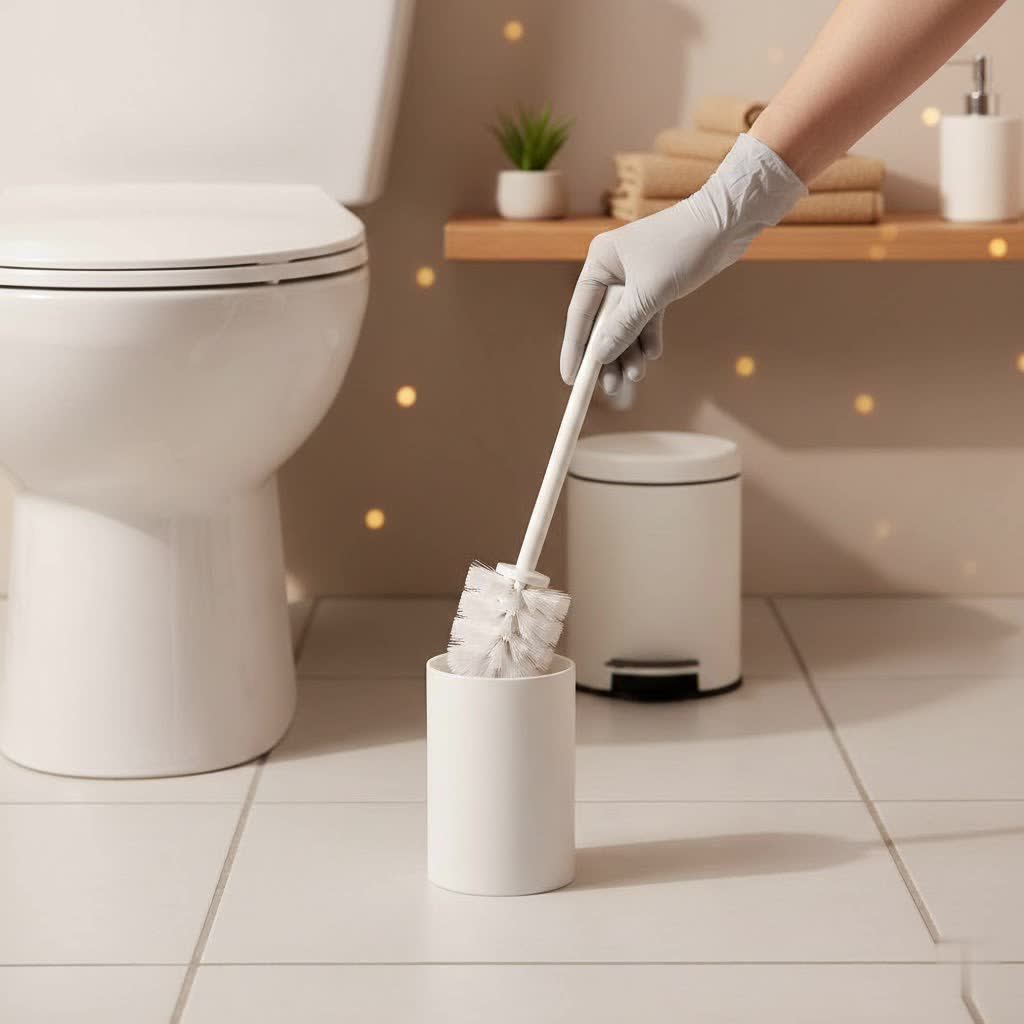
Maintaining a clean and hygienic bathroom is paramount for any home, and at the heart of this routine lies a seemingly simple yet incredibly essential tool: the toilet brush. After years of exploring and testing countless designs and materials, I’ve come to understand that not all toilet brushes are created equal. Choosing the right one can transform a dreaded chore into a more efficient and even hygienic experience. This comprehensive guide will equip you with the knowledge to select a toilet brush that truly meets your needs, ensuring your toilet bowl remains spotless and your bathroom environment healthier.
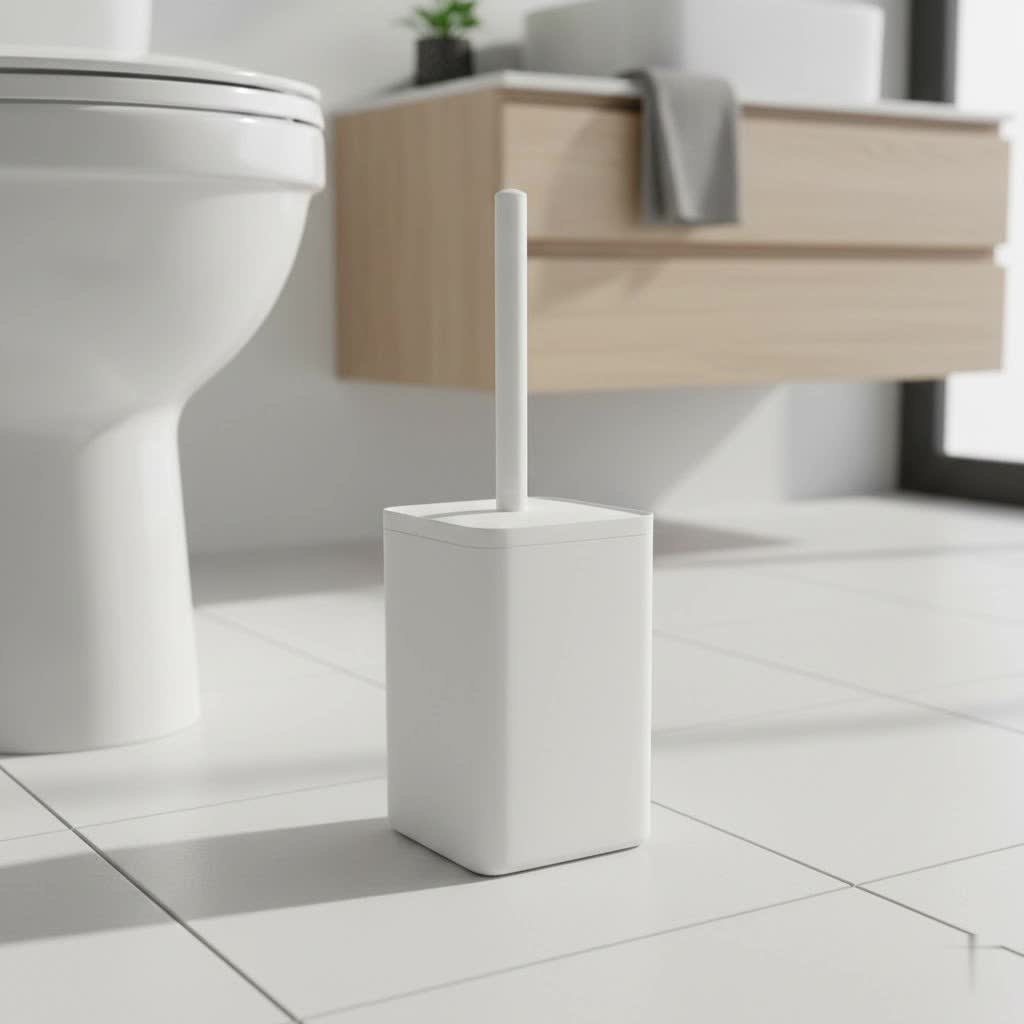
What is a Toilet Brush and Why Do You Need It?
A toilet brush is a specialized cleaning tool designed to effectively scrub and remove stains, grime, and bacteria from the interior surfaces of a toilet bowl. It is an indispensable item for maintaining optimal bathroom hygiene, preventing the buildup of unsightly rings and fostering a more sanitary environment in your home. Regular use of a quality toilet brush is crucial, as it tackles areas that ordinary cleaning rags or sponges cannot reach, ensuring a thorough clean beneath the rim and throughout the bowl.
Across the market, you’ll encounter a variety of toilet brush types, each offering unique advantages. The most common varieties include traditional brushes with plastic or nylon bristles, modern silicone brushes, convenient disposable systems, and increasingly, eco-friendly options made from natural fibers or wood. Understanding these distinctions is the first step toward making an informed choice for your household [cite: 1, 2 (search result 1)].
Factors to Consider When Buying a Toilet Brush
Selecting the ideal toilet brush involves more than just picking the first one you see. Several key factors influence a brush’s effectiveness, durability, and hygiene. Delving into these aspects will help you identify a product that not only cleans well but also integrates seamlessly into your cleaning routine and bathroom aesthetic.
Types of Toilet Brush
The evolution of the toilet brush has brought forth several distinct types, each with its own set of strengths and weaknesses. Your choice will largely depend on your priorities, such as cleaning power, hygiene, convenience, and environmental impact.
- Traditional Bristle Toilet Brush: These brushes typically feature stiff nylon or plastic bristles densely packed onto a rounded head. They are excellent at scrubbing away tough stains and are widely available and generally inexpensive. However, their porous bristles can harbor bacteria, and they may flatten or fray over time, requiring more frequent replacement [cite: 3 (search result 1)].
- Silicone Toilet Brush: A more modern alternative, silicone brushes are characterized by their flexible, non-porous rubber or silicone “bristles” or fins. These are lauded for their superior hygiene, as they resist bacterial growth, dry quickly, and are easy to rinse clean. They are also durable and less prone to wear and tear than traditional bristles [cite: 2, 3 (search result 3)]. While generally effective, some users find they require more effort for stubborn, sticky messes compared to bristled brushes [cite: 3 (search result 1)].
- Disposable Toilet Brush: These systems often combine a specialized wand with single-use scrubbing pads pre-loaded with cleaner. After use, the pad is simply ejected into the trash, eliminating the need to clean or store a dirty brush. They offer unparalleled convenience and hygiene, but the ongoing cost of replacement heads and their environmental footprint are considerations [cite: 2, 3, 5 (search result 2)].
- Eco-Friendly Toilet Brush: For the environmentally conscious, options made from natural fibers like coconut husk or bamboo, paired with wooden handles, provide a sustainable alternative. These are biodegradable and offer a minimalist aesthetic. Their effectiveness can vary, and they may require specific care to ensure longevity [cite: 1, 2 (search result 1)].
|
Our Picks for the Best Toilet Brush in 2026
We may earn a commission when you use one of our links to make a purchase.
|
||
| Num | Product | Action |
|---|---|---|
| 1 | SetSail Toilet Brush and Holder, Self Closing Lid Toilet Bowl Brushes Holder and Extra Long Handle Ventilated Toilet Brush Set for Bathroom Cleaning, Nylon Bristles, Black |

|
| 2 | HAMITOR Toilet Bowl Brush Holder Set: Bathroom Deep Cleaning Toilet Cleaner Scrubber Under Rim with Curved Bristle for Dead Corner Clean - Hidden Rv Toilet Decorative Accessories with Caddy- Gray |
|
| 3 | MR.SIGA Toilet Bowl Brush and Holder, Premium Quality, with Solid Handle and Durable Bristles for Bathroom Cleaning, Gray, 1 Pack |
|
| 4 | Clorox Under-Rim Toilet Bowl Brush with Corner Storage Caddy, 16 x 5 x 5.5 in |
|
| 5 | OXO Good Grips Compact Toilet Brush & Canister - Gray |
|
| 6 | MR.SIGA Toilet Bowl Brush and Holder, Premium Quality, with Solid Handle and Durable Bristles for Bathroom Cleaning, Black, 1 Pack |
|
| 7 | HAMITOR Toilet Bowl Brush Holder Set: Bathroom Deep Cleaning Toilet Cleaner Scrubber Under Rim with Curved Bristle for Dead Corner Clean - Hidden Rv Toilet Decorative Accessories with Caddy- White |
|
| 8 | Compact Toilet Brush & Holder, Stainless Steel Handle, Space Saving for Storage, Deep Cleaning, Drip-Proof, Easy to Assemble, Nylon Bristles, White & Grey |
|
| 9 | OXO Good Grips Compact Toilet Brush & Canister, Toilet Bowl Brush and Holder with Automatic Canister Door, Bathroom and Small Spaces Cleaning Supplies Essential |
|
| 10 | MR.SIGA Toilet Bowl Brush and Holder, Premium Quality, with Solid Handle and Durable Bristles for Bathroom Cleaning, White, 1 Pack |
|
Material
The material of your toilet brush significantly impacts its performance, durability, and how hygienic it remains over time.
- Plastic: Often used for both bristles and handles in traditional brushes, plastic is lightweight and affordable. However, plastic bristles can wear out and become matted, and the material itself can be porous, leading to bacterial buildup [cite: 1, 2 (search result 1); 1 (search result 3)].
- Stainless Steel: Primarily used for handles and holders, stainless steel offers a sleek, modern look and excellent durability. While the brush head itself is usually plastic or silicone, a stainless steel handle provides a sturdy grip and resistance to rust [cite: 2 (search result 1)].
- Silicone: As discussed, silicone is highly valued for its non-porous, flexible, and quick-drying properties, making it an exceptionally hygienic choice. It resists germs and can withstand rigorous cleaning and even boiling for sterilization [cite: 2, 3 (search result 3)].
- Natural Fibers (e.g., Bamboo, Coconut Husk): These sustainable materials are gaining popularity for their eco-friendly appeal. They are gentle on surfaces and biodegradable, though their longevity and cleaning power might differ from synthetic options [cite: 1 (search result 1)].
Design
Beyond the bristles, a toilet brush’s design plays a crucial role in its functionality, ease of use, and overall bathroom aesthetic. Thoughtful design can make a significant difference in cleaning efficiency and user experience.
- Brush Head Design: The shape and size of the brush head are vital for effective cleaning. Look for designs that can easily reach under the toilet rim, a common spot for grime and bacteria. Round or angled heads are often best for navigating the curves of the bowl and reaching hidden areas. Some brushes feature specific “rim cleaners” or strategically angled bristles [cite: 3 (search result 1)].
- Handle Design: A good handle should provide a comfortable and secure grip, preventing slips during vigorous scrubbing. Length is also important; it should be long enough to keep your hands away from splashes but not so long as to be unwieldy. Ergonomic designs can reduce wrist strain, making cleaning less arduous.
- Holder Design: The holder is where your toilet brush spends most of its time, so its design is key for hygiene and aesthetics. Features like a secure lid to contain odors and germs, ventilation holes for air drying, or even magnetic docking for the handle can significantly improve the overall cleanliness and user experience [cite: 5 (search result 1)]. Some holders are designed to be compact, fitting neatly into tight spaces.
Features
Modern toilet brushes often incorporate specialized features aimed at enhancing hygiene, cleaning power, and user convenience. These innovations can provide added value and make your cleaning tasks more efficient.
- Anti-bacterial Properties: Silicone brushes inherently resist microbial accumulation due to their non-porous nature [cite: 3 (search result 3)]. Some traditional brushes may also be treated with antimicrobial agents to inhibit germ growth.
- Ability to Clean Hidden Areas: Many brushes are designed with specific angles or flexible heads to effectively clean under the toilet rim, a notoriously difficult area where germs and grime often hide [cite: 3 (search result 1)].
- Easy to Clean and Store: Brushes that rinse clean easily and dry quickly are more hygienic. Holders with ventilation or those that allow the brush to drip dry without pooling water are highly desirable. Some designs even feature integrated self-cleaning mechanisms or reservoirs for disinfectant [cite: 5 (search result 1)].
- Special Features: Innovations include replaceable heads to extend the life of the handle, electric spin scrubbers for effortless cleaning, and unique squeegee-like designs that effectively wipe surfaces clean [cite: 2 (search result 2)].
Comparing Popular Toilet Brush Types
To help you navigate the choices, here’s a comparison of the most popular toilet brush types, highlighting their key characteristics, pros, and cons.
| Feature | Traditional Bristle Brush | Silicone Brush | Disposable System |
|---|---|---|---|
| Type | Standard, widely available | Modern, hygienic-focused | Convenient, single-use |
| Material | Plastic/Nylon bristles, plastic/metal handle | Silicone head, plastic/metal handle | Plastic wand, disposable pads (often with cleaner) |
| Design | Densely packed bristles, various handle lengths | Flexible fins/blades, often flatter or angled | Long wand with release mechanism for pads |
| Cleaning | Excellent for scrubbing tough stains | Good for wiping surfaces, less splashy | Pre-loaded cleaner, effective scrubbing pads |
| Hygiene | Can harbor bacteria, harder to dry | Non-porous, quick-drying, resists germs, easy to clean | Highly hygienic (disposable head), no brush storage |
| Durability | Bristles can flatten, wear out, or tangle hair | Very durable, bristles resist wear and tangling | Wand is durable, pads are single-use |
| Maintenance | Requires cleaning/disinfecting, can be difficult | Easy to rinse, can be sterilized (some types) | No brush maintenance; dispose of pad after use |
| Cost | Low initial cost, frequent replacements may add up | Higher initial cost, long-lasting | Moderate initial cost, ongoing cost for refill pads |
| Pros | Effective scrubbing, widely available, affordable | Hygienic, durable, quick-drying, good for under-rim | Ultimate convenience, no dirty brush to store |
| Cons | Less hygienic, can get tangled, wears out | May require more effort for stubborn stains, higher cost | Environmental impact, ongoing refill cost |
| Best For | Budget-conscious, those needing strong scrubbing power | Hygiene-focused, seeking durability and ease of cleaning | Convenience-seekers, those prioritizing sanitation |
“Silicone brushes are generally more sanitary due to their non-porous nature, making them resistant to microbial contamination and easier to clean than traditional bristle brushes.” [cite: 3 (search result 3)] This makes them a strong contender for those who prioritize a germ-free bathroom. However, “Traditional plastic bristle toilet brushes are easy to use, clean well, and are more readily available at local stores.” [cite: 3 (search result 1)]
Toilet Brush Buying Guide
Making the right choice for your toilet brush involves a systematic approach, ensuring you select a product that aligns perfectly with your household’s unique requirements and preferences. Consider this your step-by-step guide to a smart purchase.
Determine Usage Needs
Before diving into product specifications, take a moment to assess how and how often you’ll be using the toilet brush.
- Frequency of Use: Do you need a robust brush for daily cleaning, or is it for occasional deep cleaning? For daily use, durability and ease of cleaning are paramount. For less frequent use, a more specialized or disposable option might be suitable.
- Specific Requirements: Do you have hard water stains that require aggressive scrubbing? Do you prefer a hands-free approach? Are you concerned about environmental impact? Identifying these needs will narrow down your options significantly.
- Budget: Toilet brushes range widely in price. Determine how much you’re willing to invest, keeping in mind that a higher initial cost for a durable, hygienic option might save money in the long run by reducing replacement frequency.
Research Products
Once you have a clear understanding of your needs, it’s time to explore the market. Thorough research is key to making an informed decision.
- Read Reviews: Consult reputable review websites and online retailers for unbiased opinions on product performance, durability, and user satisfaction. Look for reviews that mention cleaning effectiveness, ease of use, and hygiene.
- Seek Recommendations: Ask friends, family, or cleaning experts for their experiences and recommendations. Personal anecdotes can offer valuable insights that specifications alone might miss.
- Compare Features and Prices: Create a shortlist of potential products and compare their features, materials, and prices. Pay attention to warranties, return policies, and the availability of replacement parts (e.g., disposable heads).
Purchase from Reputable Stores
Where you buy your toilet brush can be as important as the brush itself. Opting for reputable retailers ensures product quality and good customer service.
- Check Return Policies: Ensure the store has a clear and fair return or exchange policy in case the product doesn’t meet your expectations.
- Inspect the Product: If purchasing in person, examine the brush for any visible defects, ensuring the bristles or silicone fins are intact and the handle is sturdy.
- Request a Receipt: Always keep your purchase receipt. It’s essential for any potential returns, warranty claims, or simply as proof of purchase.
Top Toilet Brushes on the Market Today
Based on extensive research and user feedback, several toilet brushes consistently stand out for their innovative design, cleaning performance, and hygiene features. Here are some highly-regarded options:
- OXO Good Grips Toilet Brush with Rim Cleaner: Often praised as a top overall pick, this traditional bristle brush is known for its sturdy handle and specialized design that easily reaches under the rim. Its compact canister provides hands-free opening and closes automatically, keeping the brush discreetly stored and hygienic. [cite: 1, 2 (search result 2)]
- Sellemer Toilet Brush and Holder: This silicone brush is a popular choice for its value and hygiene. It features a flexible silicone head that effectively cleans without scratching and a quick-drying holder, making it an excellent option for those transitioning to silicone. [cite: 1 (search result 2)]
- Better Living Products Looeez Hygienic Toilet Squeegee: This silicone toilet squeegee is highly effective at removing messes with minimal effort. Its flexible head and angled blades excel at cleaning under the rim, and water rolls off easily, ensuring quick drying. It’s noted for its hygienic design and sturdy holder. [cite: 1 (search result 2)]
- Clorox Disinfecting ToiletWand Cleaning System: For ultimate convenience and hygiene, this disposable system is a favorite. It features a wand that attaches to disposable pads pre-loaded with Clorox cleaner, eliminating the need to clean a dirty brush. The hexagonal pads are effective at reaching all areas of the bowl. [cite: 2, 3, 5 (search result 2)]
- Boomjoy Toilet Brush: Another highly-rated silicone option, the Boomjoy brush is celebrated for its effective cleaning and durable, widely-spaced synthetic rubber spikes that are less prone to trapping debris and easier to clean than traditional bristles. [cite: 2, 4 (search result 2)]
- SimpleHuman Toilet Brush: This premium non-disposable brush is lauded for its clever design, strong cleaning power, and mess-free storage. Its narrow, curved shape allows for easy cleaning of the bowl and under the rim, and the holder features a magnetic handle for secure storage and a large opening for air drying. [cite: 4 (search result 2)]
- Bell + Howell Scrubtastic Electric Spin Scrubber: This electric option offers effortless cleaning with multiple interchangeable heads. It significantly reduces manual effort and is highly effective for deep cleaning, making it suitable for those who prefer powered cleaning tools. [cite: 2, 3, 5 (search result 2)]
Tips for Using and Maintaining Your Toilet Brush
Even the best toilet brush requires proper usage and regular maintenance to remain effective and hygienic. Following these tips will ensure your brush serves you well and doesn’t become a breeding ground for germs.
- Use Correctly: Always apply toilet cleaner or bleach to the bowl first and allow it to sit for a few minutes before scrubbing. This helps to break down stains and disinfect the surface. Use the brush to thoroughly scrub all interior surfaces, paying close attention to the waterline and under the rim [cite: 5 (search result 1)].
- Clean After Every Use: After scrubbing the toilet, rinse the brush thoroughly in the fresh flush of water. You can also pour a small amount of bleach into the bowl and let the brush soak for 30 minutes to an hour for a deeper sanitize [cite: 1, 4 (search result 4)]. Alternatively, spray it with hydrogen peroxide or undiluted white vinegar.
- Ensure Proper Drying: This is critical to prevent bacterial growth and unpleasant odors. A common and effective method is to sandwich the brush handle between the toilet seat and the bowl, allowing it to air dry completely before returning it to its holder [cite: 1, 2 (search result 4)]. If your holder has ventilation, ensure it’s positioned to allow maximum airflow.
- Store Hygienically: Always store your dry toilet brush in its holder. Some advanced holders are designed to snap shut, preventing the release of odors and germs, or feature reservoirs for antibacterial fluid to sanitize the brush after each use [cite: 5 (search result 1)]. For deeper cleaning of the holder, soak it in a bleach solution or spray it with disinfectant [cite: 3, 5 (search result 4)].
- Replace Regularly: Like a toothbrush, a toilet brush doesn’t last forever. Its effectiveness diminishes as bristles flatten, become brittle, discolored, or start to smell. “Replace your toilet brush every six months or when the bristles are flattened, brittle, discolored, or smelly.” [cite: 5 (search result 4)] This ensures optimal cleaning power and hygiene.
Conclusion
Choosing the right toilet brush is a small decision that makes a big impact on the cleanliness and hygiene of your bathroom. From traditional bristle brushes offering robust scrubbing power to modern silicone designs prioritizing sanitation and durability, and convenient disposable systems for ultimate ease, there’s a perfect match for every household. By considering the type, material, design, and features, and adhering to proper usage and maintenance, you can keep your toilet sparkling and your bathroom feeling fresh. Investing a little time in selecting a high-quality toilet brush will undoubtedly pay dividends in maintaining a healthier, more pleasant home environment. What kind of toilet brush will you choose to elevate your bathroom cleaning routine?
Câu Hỏi Thường Gặp
Are silicone toilet brushes truly more hygienic than traditional ones?
Yes, microbiologists generally agree that silicone brushes are more hygienic. Their non-porous surface resists the accumulation of organic matter and bacteria, dries faster, and can often be sterilized more thoroughly than traditional plastic bristles [cite: 2, 3 (search result 3)]. This makes them less likely to harbor germs.
How often should I replace my toilet brush?
You should replace your toilet brush approximately every six months, or sooner if you notice the bristles are flattened, brittle, discolored, or if the brush develops an unpleasant odor [cite: 5 (search result 4)]. Regular replacement ensures optimal cleaning effectiveness and hygiene.
Can I clean my toilet brush in the dishwasher?
While some silicone toilet brush heads can withstand being put in a dishwasher or even boiled, it’s crucial to check the manufacturer’s instructions. Most traditional plastic-bristled brushes and handles are not suitable for dishwashers due to heat and chemical sensitivity, which can degrade the plastic and damage the brush [cite: 3 (search result 3)].
What’s the best way to dry a toilet brush after use?
The best way to dry a toilet brush is to allow it to air dry completely before returning it to its holder. A common method is to wedge the handle between the toilet seat and the bowl for a period, or use a holder specifically designed with ventilation holes to promote airflow and prevent moisture buildup [cite: 1, 2 (search result 4)].
Do disposable toilet brush systems really clean as well as traditional brushes?
Disposable toilet brush systems can be very effective, especially those with pre-loaded cleaning solutions. The scrubbing pads are designed to tackle stains and often reach under the rim effectively. While they offer superior hygiene and convenience by eliminating the need to clean the brush itself, their scrubbing power can sometimes be less aggressive than stiff-bristled brushes for very tough, set-in stains [cite: 2, 5 (search result 2)].