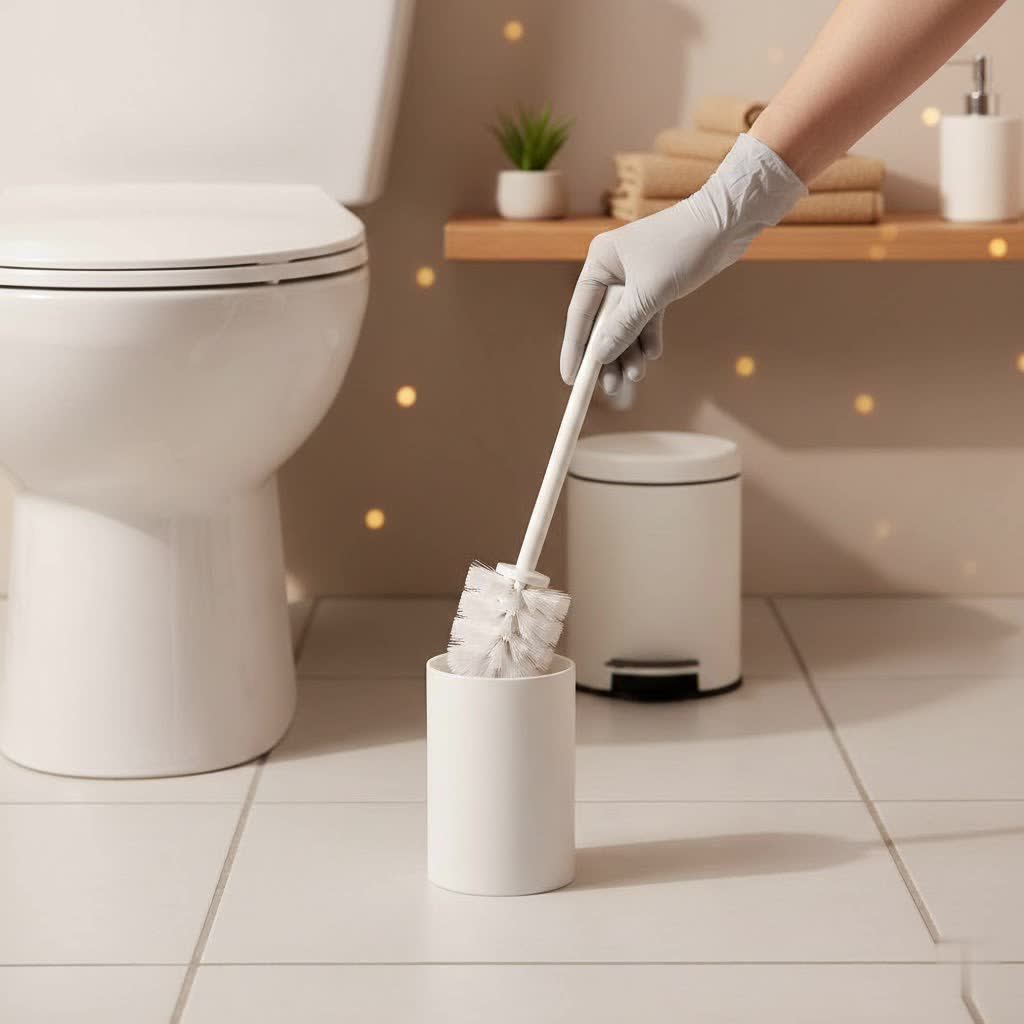
The toilet brush, an often-overlooked necessity, plays a crucial role in maintaining a hygienic and inviting bathroom. While it might not be the most glamorous item, choosing the right one can significantly impact your cleaning routine and bathroom aesthetic. If you’re looking to elevate your bathroom’s cleanliness and style, a Stainless Steel Toilet Brush might be the perfect upgrade. This comprehensive guide will delve into everything you need to know, from its core definition to key considerations for purchasing and maintenance, ensuring you select a product that brings both durability and elegance to your home.
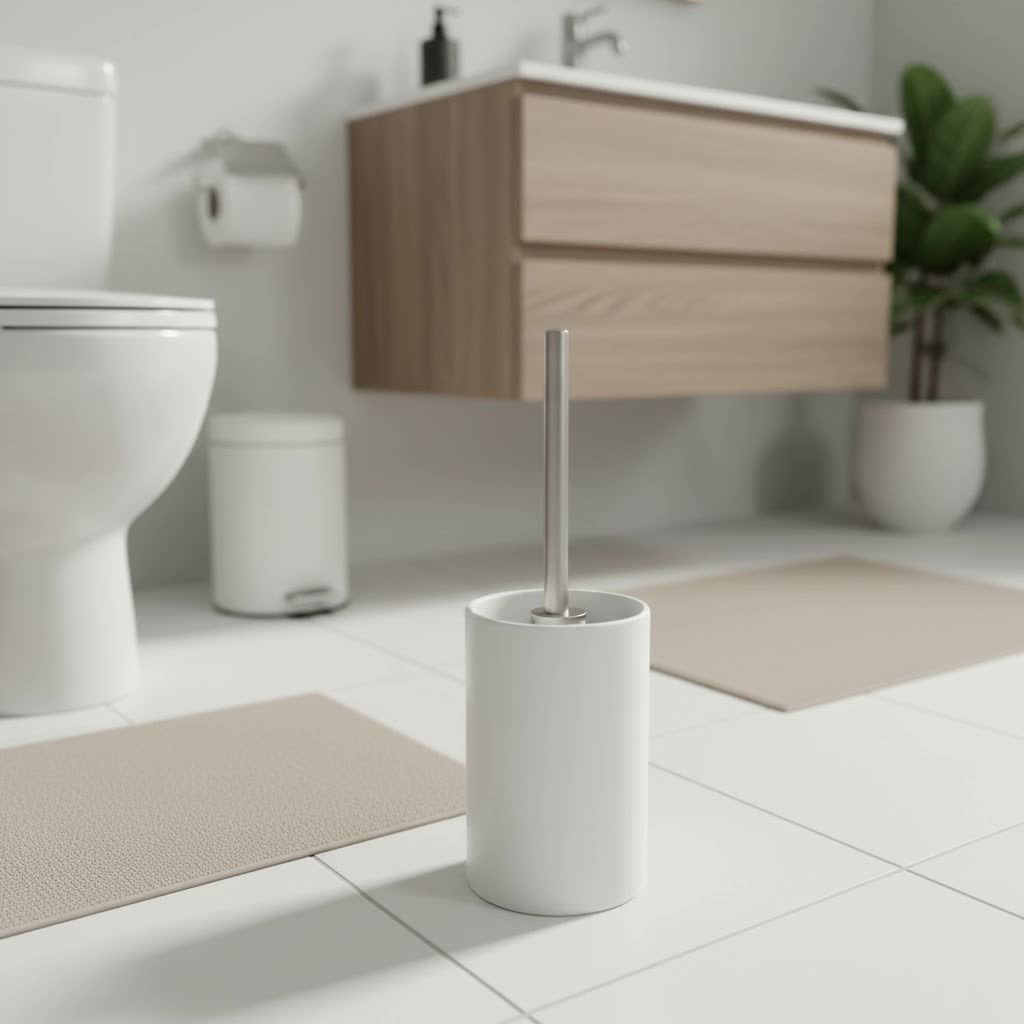
What is a Toilet Brush and Why Do You Need It?
At its core, a toilet brush is a cleaning tool designed specifically for scrubbing the interior surfaces of a toilet bowl. It’s an indispensable item for maintaining personal hygiene and preventing the buildup of unsightly stains, grime, and bacteria. Regular use of a toilet brush helps to keep your toilet sparkling clean, which in turn contributes to a more pleasant and sanitary bathroom environment. Without this essential tool, maintaining thorough cleanliness in one of the busiest areas of your home would be incredibly challenging.
There are various types of toilet brushes available today, each with different materials and designs, including traditional bristle brushes, flexible silicone options, and convenient disposable systems. However, a growing trend points towards stainless steel for its superior qualities, often incorporated into the handle or the entire unit to offer enhanced durability and a sophisticated look.
Factors to Consider When Buying a Toilet Brush
Choosing the right toilet brush involves more than just picking the first one you see. Several factors contribute to its effectiveness, longevity, and how well it integrates into your bathroom space.
Type of Toilet Brush
The market offers several primary types, each with unique advantages:
- Traditional Bristle Brushes: These typically feature dense nylon or plastic bristles. They are effective for scrubbing tough stains, but the bristles can sometimes trap debris and water, leading to hygiene concerns.
- Silicone Toilet Brushes: Gaining popularity, silicone brushes boast flexible, non-porous heads. They are often praised for being more hygienic, as they dry quickly and are less likely to harbor bacteria or trap hair. Their flexibility allows them to reach under the rim more easily.
- Disposable Toilet Brushes: These systems use replaceable cleaning pads that are discarded after each use, offering maximum hygiene but generating more waste and requiring continuous purchase of refills.
|
Our Picks for the Best Toilet Brush in 2026
We may earn a commission when you use one of our links to make a purchase.
|
||
| Num | Product | Action |
|---|---|---|
| 1 | Compact Toilet Brush & Holder, Stainless Steel Handle, Space Saving for Storage, Deep Cleaning, Drip-Proof, Easy to Assemble, Nylon Bristles, White & Grey |

|
| 2 | OXO Good Grips Compact Toilet Brush & Canister, Toilet Bowl Brush and Holder with Automatic Canister Door, Bathroom and Small Spaces Cleaning Supplies Essential |
|
| 3 | MR.SIGA Toilet Bowl Brush and Holder, Premium Quality, with Solid Handle and Durable Bristles for Bathroom Cleaning, Gray, 1 Pack |
|
| 4 | Clorox Under-Rim Toilet Bowl Brush with Corner Storage Caddy, 16 x 5 x 5.5 in |
|
| 5 | MR.SIGA Toilet Bowl Brush and Holder, Premium Quality, with Solid Handle and Durable Bristles for Bathroom Cleaning, White, 1 Pack |
|
| 6 | MR.SIGA Toilet Bowl Brush and Holder, Premium Quality, with Solid Handle and Durable Bristles for Bathroom Cleaning, Black, 1 Pack |
|
| 7 | OXO Good Grips Compact Toilet Brush & Canister - Gray |
|
| 8 | HAMITOR Toilet Bowl Brush Holder Set: Bathroom Deep Cleaning Toilet Cleaner Scrubber Under Rim with Curved Bristle for Dead Corner Clean - Hidden Rv Toilet Decorative Accessories with Caddy- White |
|
| 9 | SetSail Toilet Brush and Holder, Self Closing Lid Toilet Bowl Brushes Holder and Extra Long Handle Ventilated Toilet Brush Set for Bathroom Cleaning, Nylon Bristles, Black |
|
| 10 | HAMITOR Toilet Bowl Brush Holder Set: Bathroom Deep Cleaning Toilet Cleaner Scrubber Under Rim with Curved Bristle for Dead Corner Clean - Hidden Rv Toilet Decorative Accessories with Caddy- Gray |
|
When considering a stainless steel toilet brush, you’ll primarily find the stainless steel integrated into the handle and/or the holder, providing a sturdy and aesthetically pleasing component to either a traditional bristle or silicone brush head.
Material
The material of your toilet brush significantly impacts its durability, hygiene, and overall appearance.
- Stainless Steel: This material is highly valued for its exceptional durability and rust-resistance, making it a smart investment for bathroom accessories. Stainless steel handles and holders are built to last, resisting wear, corrosion, and scratches even in moisture-rich bathroom environments. Beyond its robustness, stainless steel offers a sleek, modern, and elegant aesthetic that can instantly upgrade your bathroom’s look. It’s also easy to wipe clean, contributing to overall bathroom hygiene.
- Plastic: Often the cheapest option, plastic handles and holders are lightweight but tend to degrade, crack, and wear down more quickly than stainless steel. Plastic bristles can also trap more bacteria and can be harder to sanitize effectively.
- Silicone (for brush heads): As mentioned, silicone brush heads are highly hygienic due to their non-porous nature, which means they don’t absorb water or odors. They dry faster than traditional bristles and are less prone to trapping hair or debris, making them easier to clean and maintain. [cite: 1, 3, 5, 3 (from “stainless steel toilet brush vs silicone”)]
Design
A well-designed toilet brush considers both functionality and aesthetics.
- Brush Head Design: Look for a head shape that effectively cleans all areas of the toilet bowl, including under the rim. Some feature an angled design or flexible bristles specifically for hard-to-reach spots. Round bristle and silicone brush heads are often the easiest to maneuver for thorough cleaning. [cite: 1 (from “how to choose a toilet brush”)]
- Handle Design: A good handle should be long enough to keep your hands comfortably away from the bowl and offer an ergonomic, non-slip grip for effective scrubbing. A sturdy stainless steel handle provides excellent leverage and won’t bend or break under pressure. [cite: 4 (from “benefits of stainless steel toilet brush”)]
- Holder Design: The holder is crucial for hygienic storage and maintaining a tidy bathroom. Look for holders that conceal the brush discreetly and offer good ventilation for quick drying to prevent odors and bacterial growth. [cite: 1, 2, 1 (from “how to choose a toilet brush”)] Some holders are freestanding, while others can be wall-mounted to save floor space.
Features
Modern toilet brushes come with various features designed to enhance cleaning efficiency and hygiene.
- Anti-clog and Anti-drip: Features like widely spaced silicone bristles or fast-draining holders can prevent clogging and minimize dripping between use and storage. [cite: 3 (from “benefits of stainless steel toilet brush”)]
- Replaceable Brush Heads: Some models, particularly those with durable stainless steel handles, offer replaceable brush heads. This extends the life of the handle and holder while allowing you to maintain optimal hygiene by swapping out the brush head regularly. [cite: 3 (from “benefits of stainless steel toilet brush”)]
- Antibacterial Properties: While stainless steel itself is resistant to many germs, silicone brush heads are naturally antimicrobial due to their non-porous surface, further enhancing hygiene. [cite: 3 (from “stainless steel toilet brush vs silicone”)]
- Easy to Clean and Store: A brush that is easy to rinse clean and a holder that promotes quick drying are essential for preventing unpleasant odors and bacterial growth.
Comparing Stainless Steel, Silicone, and Traditional Bristle Toilet Brushes
Understanding the differences between types can help you make an informed decision. Here’s a comparative overview:
| Feature | Stainless Steel (Handle/Holder) | Silicone (Head) | Traditional Bristle (Head) |
|---|---|---|---|
| Durability | Excellent (rust, corrosion, scratch-resistant) | High (wear-resistant, flexible) [cite: 5 (from “stainless steel toilet brush vs silicone”)] | Moderate (wears out, flattens over time) [cite: 2 (from “benefits of stainless steel toilet brush”)] |
| Hygiene | Easy to clean, doesn’t harbor germs easily | Excellent (non-porous, quick-drying, less bacteria) [cite: 1, 3, 5 (from “stainless steel toilet brush vs silicone”)] | Poor (traps debris, absorbs odors, difficult to sanitize) [cite: 1, 3 (from “stainless steel toilet brush vs silicone”)] |
| Cleaning Power | – (primarily for handle/holder) | Good (flexible, reaches angles, gentle on surfaces) [cite: 1 (from “stainless steel toilet brush vs silicone”)] | Good (stiff bristles for tough stains, can be abrasive) [cite: 1 (from “stainless steel toilet brush vs silicone”)] |
| Aesthetics | Modern, sleek, elegant, complements various decor [cite: 1, 2, 3 (from “benefits of stainless steel toilet brush”)] | Modern, minimalist, available in various colors | Basic, can look worn quickly |
| Maintenance | Wipes clean easily | Easy to rinse, dries fast, can be sterilized [cite: 3 (from “stainless steel toilet brush vs silicone”)] | Harder to clean, prone to odor, requires more effort to sanitize |
| Cost | Higher upfront for quality sets [cite: 2 (from “benefits of stainless steel toilet brush”)] | Moderate to High | Low |
| Key Benefit | Longevity, sophisticated style, sturdy grip | Superior hygiene, flexibility, gentle on bowls | Affordability, initial scrubbing power |
Your Buying Guide to the Perfect Stainless Steel Toilet Brush
Ready to upgrade your bathroom cleaning arsenal? Follow this guide to make an informed decision.
Assess Your Bathroom Needs
Before diving into products, consider your specific requirements:
- Usage Frequency: Do you need a brush for daily quick cleans or more intensive weekly scrubbing? This might influence the type of brush head you choose (silicone for daily hygiene, robust bristles for tough jobs).
- Cleaning Challenges: Do you have hard water stains that require a more aggressive scrub, or are you primarily dealing with everyday maintenance?
- Style Preference: Does your bathroom decor lean modern, traditional, or minimalist? A stainless steel brush can seamlessly fit into many styles, but consider the finish (brushed, polished) and overall design.
- Budget: While stainless steel options tend to be a higher initial investment, their durability often translates to long-term savings by reducing the need for frequent replacements.
Research and Compare Products
Once you know your needs, start exploring. Read product reviews on reputable home goods websites and forums to gauge user satisfaction and identify any potential drawbacks. Pay attention to comments regarding the brush’s durability, cleaning effectiveness, and ease of maintenance. Consider brands known for quality bathroom accessories, especially those offering stainless steel designs. Look for features like replaceable heads, ventilated holders, and ergonomic handles.
Purchase from Reputable Retailers
Always buy your toilet brush from established stores or online retailers that offer clear product descriptions, customer reviews, and a fair return policy. This ensures you receive a high-quality product and have recourse if it doesn’t meet your expectations. Inspect the product upon arrival to ensure the stainless steel is indeed corrosion-resistant and that all components are well-made.
Top Stainless Steel Toilet Brushes to Consider
While specific models can vary, here are common types of stainless steel toilet brushes lauded for their features:
- The Sleek & Modern Pick: These designs often feature a complete stainless steel construction for both the handle and a discreet, concealed holder. They are chosen for their strong aesthetic appeal and ability to blend seamlessly into contemporary bathrooms, providing both function and a touch of sophistication.
- The Hybrid Powerhouse: Combining the best of both worlds, these brushes typically feature a sturdy stainless steel handle paired with an advanced silicone brush head. This configuration maximizes durability for the handle and holder while offering the superior hygiene and cleaning flexibility of silicone bristles.
- The Ergonomic Choice: Prioritizing user comfort and efficiency, these models boast a well-balanced stainless steel handle with an optimal length and comfortable grip. They are designed to reduce strain during cleaning, ensuring you can tackle tough spots without discomfort, all while benefiting from the robust nature of stainless steel.
- The Space-Saver: Ideal for smaller bathrooms, these stainless steel toilet brushes come with compact holders, some even designed for wall-mounting. This keeps the brush off the floor, maximizing space while still providing the aesthetic and durability benefits of stainless steel.
Tips for Using and Maintaining Your Stainless Steel Toilet Brush
Proper care extends the life of your stainless steel toilet brush and maintains bathroom hygiene.
- Use Correctly: Always use appropriate toilet bowl cleaner and scrub thoroughly, paying attention to the rim and water line.
- Clean After Every Use: After cleaning the toilet, rinse the brush thoroughly in the flushing water. A quick swish ensures most debris and cleaner are removed.
- Sanitize Regularly: Periodically, you can clean the brush head with a bleach solution or warm soapy water. For silicone heads, boiling can also be an effective sterilization method. [cite: 3 (from “stainless steel toilet brush vs silicone”)] For the stainless steel handle and holder, wipe them clean with a soft cloth dampened with mild detergent and water, then dry thoroughly to prevent water spots. Avoid abrasive cleaners that could scratch the finish. [cite: 3 (from “benefits of stainless steel toilet brush”)]
- Ensure Proper Drying: Allow the brush to air dry completely within its holder. Many stainless steel holders are designed with ventilation to facilitate quick drying and prevent moisture buildup, which can lead to odors and mildew.
- Replace Brush Head: Even with the best cleaning and maintenance, brush heads wear out. For models with replaceable heads, swap them out every six months or sooner if you notice significant wear or damage. This maintains optimal cleaning performance and hygiene.
Conclusion
A high-quality stainless steel toilet brush is more than just a cleaning tool; it’s an investment in your bathroom’s cleanliness, hygiene, and aesthetic appeal. With its unmatched durability, rust-resistant properties, and sleek design, stainless steel offers a sophisticated solution that stands the test of time. By considering the type of brush head, handle ergonomics, and holder design, you can choose a product that not only makes cleaning easier but also enhances your bathroom’s overall look. Embrace the blend of functionality and elegance that a stainless steel toilet brush brings, and transform your bathroom cleaning routine into a more efficient and stylish endeavor.
What factors do you prioritize most when choosing the right toilet brush for your home?
Câu Hỏi Thường Gặp
Are stainless steel toilet brushes better than plastic?
Yes, generally, stainless steel toilet brushes are considered superior to plastic ones due to their enhanced durability, rust and corrosion resistance, and more aesthetic appeal. While plastic brushes are cheaper, they tend to degrade faster and can look worn quickly, whereas stainless steel maintains its sleek appearance and structural integrity for much longer.
Do stainless steel toilet brushes rust?
High-quality stainless steel toilet brushes are designed to be rust-resistant, making them ideal for the humid bathroom environment. However, prolonged exposure to harsh chemicals or abrasive cleaning agents, or if the stainless steel is of a lower grade, could potentially compromise its finish over time. Always follow cleaning guidelines to maintain its integrity.
How often should I replace my stainless steel toilet brush head?
For optimal hygiene and cleaning effectiveness, it’s recommended to replace your toilet brush head, whether bristle or silicone, every six months, or sooner if you notice signs of wear, deformation, or persistent odors. This ensures your brush remains an effective tool for maintaining toilet cleanliness.
Can I use bleach to clean my stainless steel toilet brush?
You can use bleach or warm soapy water to clean the brush head itself, especially if it’s a silicone or bristle head. [cite: 3 (from “benefits of stainless steel toilet brush”)] However, for the stainless steel handle and holder, it’s best to wipe them with a soft cloth and mild detergent, then dry immediately, as harsh chemicals like bleach can potentially affect the finish over time.
What’s the best way to store a stainless steel toilet brush?
The best way to store a stainless steel toilet brush is in a well-ventilated holder that conceals the brush head. Many stainless steel holders are designed with ventilation holes or open backs to allow the brush to air dry quickly, which helps prevent odors and bacterial growth. Some holders also offer compact designs or wall-mounting options to save space.