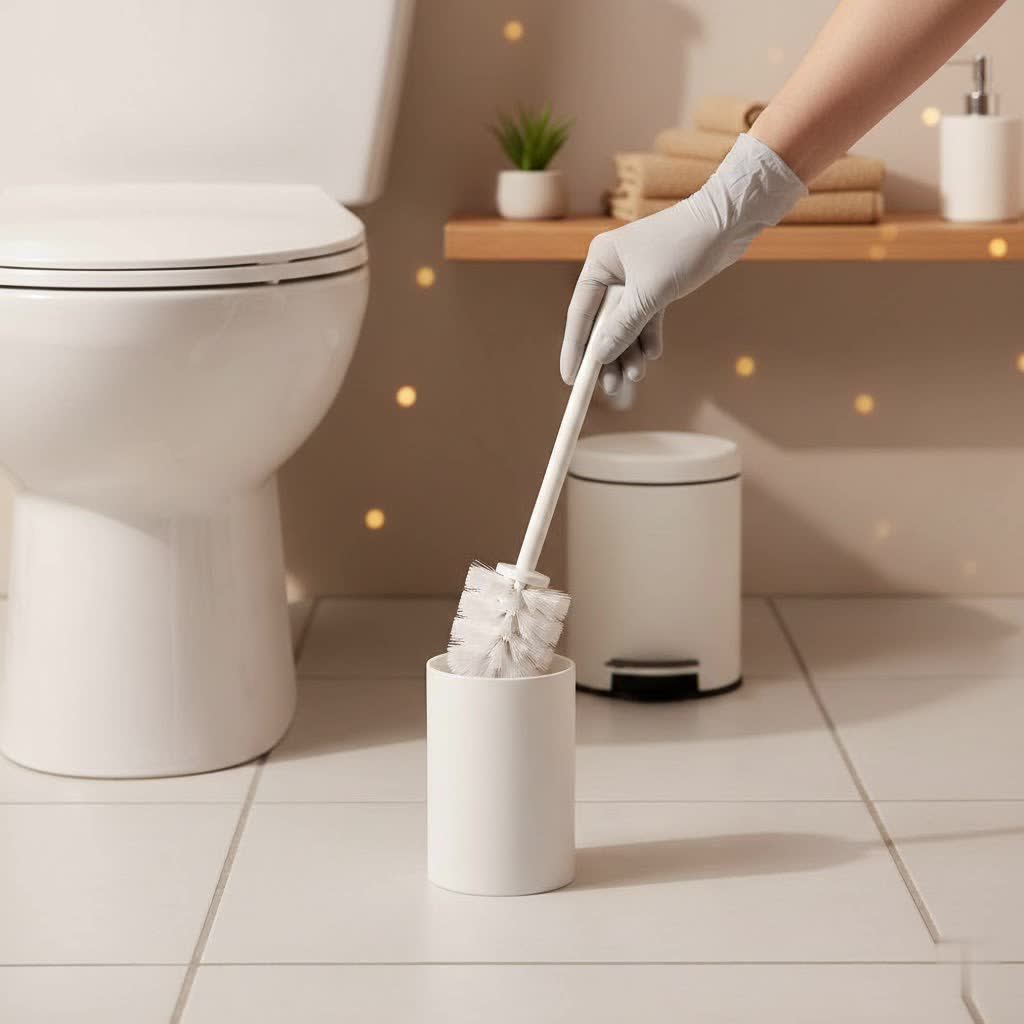
Dealing with a clogged toilet or unsightly stains can quickly turn your serene bathroom into a source of frustration. Yet, with the right tools, maintaining a sparkling clean and clog-free toilet can be effortless. This comprehensive guide will navigate you through everything you need to know about the indispensable Toilet Plunger Brush, ensuring you make an informed choice for your home.
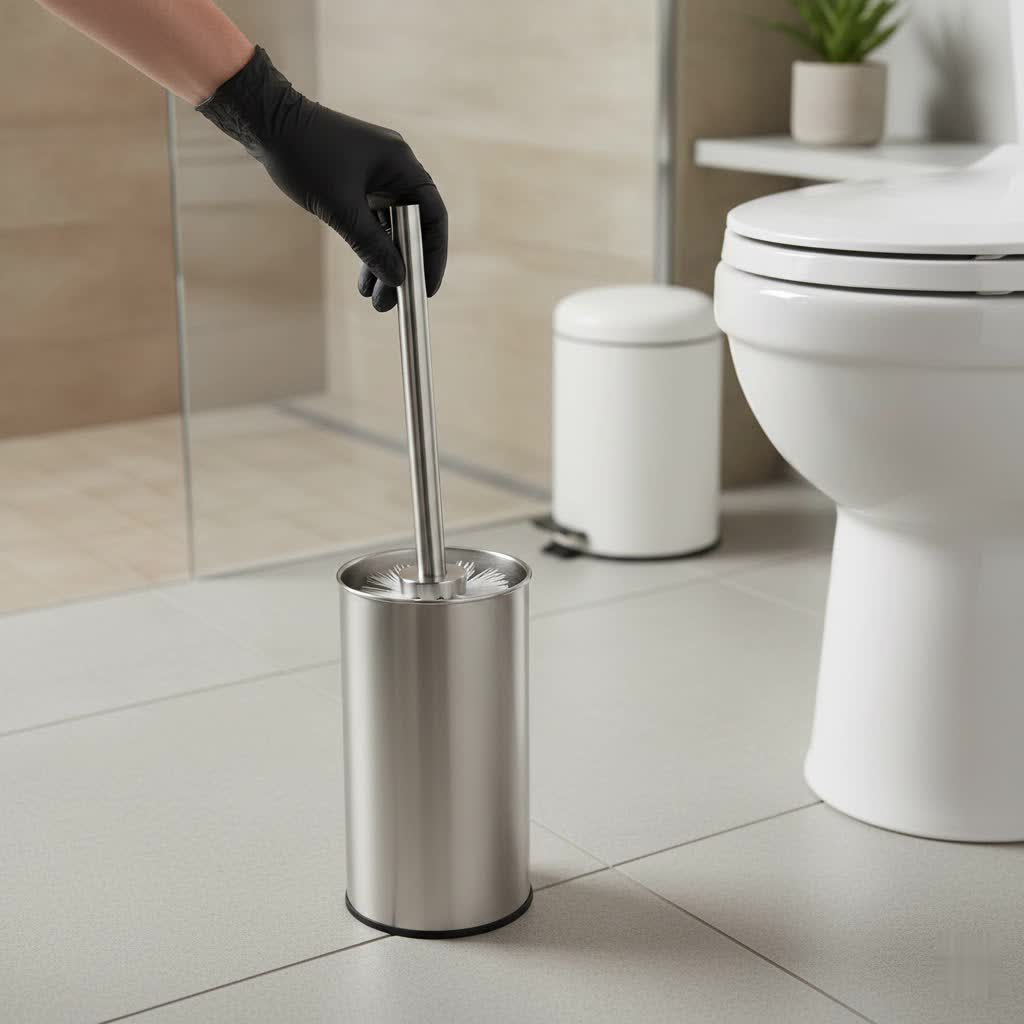
What is a Toilet Plunger Brush and Why Do You Need It?
A toilet plunger brush, often sold as a combined set, is a fundamental bathroom cleaning and maintenance tool designed to tackle two common problems: blockages and stubborn stains. While a plunger specifically addresses clogs by creating pressure and suction to dislodge obstructions in the drainpipe, a toilet brush is engineered to scrub away grime, residue, and mineral deposits from the toilet bowl’s interior. This duo is essential for everyday hygiene and emergency interventions, ensuring your toilet remains both functional and pristine. Without these vital tools, you risk lingering stains, unpleasant odors, and the inconvenience of recurring clogs.
Factors to Consider When Buying a Toilet Plunger Brush
Choosing the ideal toilet plunger brush set involves evaluating several key aspects to match your specific needs and preferences. From the type of brush and plunger to the materials and design, each element plays a crucial role in performance, durability, and ease of use.
Type of Toilet Brush
The market offers various toilet brush types, each with distinct advantages and disadvantages for different cleaning tasks.
- Traditional Bristle Brushes: These typically feature sturdy nylon or plastic bristles that are highly effective at scrubbing tough stains and reaching various contours of the bowl. They are widely available and often very affordable. However, bristle brushes can sometimes harbor bacteria and may splash dirty water if not handled carefully, and hair or debris can get tangled in the bristles.
- Silicone Brushes: Characterized by flexible, non-porous silicone nubs, these brushes are lauded for their hygienic properties. They resist bacterial growth, dry quickly, and are less likely to scratch the toilet bowl’s surface. Silicone brushes are also excellent for reaching under the rim and tend not to trap hair or debris, making them easier to rinse clean. Their cleaning power can be less aggressive on dried-on stains compared to stiff bristles, though.
- Disposable Brushes: Systems like the Clorox Disinfecting ToiletWand use disposable cleaning heads pre-loaded with cleaner. These offer maximum hygiene as you simply discard the dirty head after each use, eliminating germ transfer and storage issues. The ongoing cost of replacement heads can add up, and they generate more waste compared to reusable options.
|
Our Picks for the Best Toilet Brush in 2026
We may earn a commission when you use one of our links to make a purchase.
|
||
| Num | Product | Action |
|---|---|---|
| 1 | Compact Toilet Brush & Holder, Stainless Steel Handle, Space Saving for Storage, Deep Cleaning, Drip-Proof, Easy to Assemble, Nylon Bristles, White & Grey |

|
| 2 | OXO Good Grips Compact Toilet Brush & Canister - Gray |
|
| 3 | MR.SIGA Toilet Bowl Brush and Holder, Premium Quality, with Solid Handle and Durable Bristles for Bathroom Cleaning, Gray, 1 Pack |
|
| 4 | SetSail Toilet Brush and Holder, Self Closing Lid Toilet Bowl Brushes Holder and Extra Long Handle Ventilated Toilet Brush Set for Bathroom Cleaning, Nylon Bristles, Black |
|
| 5 | Clorox Under-Rim Toilet Bowl Brush with Corner Storage Caddy, 16 x 5 x 5.5 in |
|
| 6 | MR.SIGA Toilet Bowl Brush and Holder, Premium Quality, with Solid Handle and Durable Bristles for Bathroom Cleaning, White, 1 Pack |
|
| 7 | OXO Good Grips Compact Toilet Brush & Canister, Toilet Bowl Brush and Holder with Automatic Canister Door, Bathroom and Small Spaces Cleaning Supplies Essential |
|
| 8 | HAMITOR Toilet Bowl Brush Holder Set: Bathroom Deep Cleaning Toilet Cleaner Scrubber Under Rim with Curved Bristle for Dead Corner Clean - Hidden Rv Toilet Decorative Accessories with Caddy- White |
|
| 9 | MR.SIGA Toilet Bowl Brush and Holder, Premium Quality, with Solid Handle and Durable Bristles for Bathroom Cleaning, Black, 1 Pack |
|
| 10 | HAMITOR Toilet Bowl Brush Holder Set: Bathroom Deep Cleaning Toilet Cleaner Scrubber Under Rim with Curved Bristle for Dead Corner Clean - Hidden Rv Toilet Decorative Accessories with Caddy- Gray |
|
Material
The materials used in a toilet plunger brush set impact its durability, hygiene, and aesthetic appeal.
- Plastic: Common for both handles and brush heads, plastic is lightweight and affordable. However, lower-quality plastic can be less durable and prone to breaking or staining. For plungers, rubber is the standard material for the suction cup, providing the necessary flexibility and seal.
- Stainless Steel: Often used for handles and holders, stainless steel offers superior durability, rust resistance, and a sleek, modern appearance. It adds a premium feel and longevity to the set, making it a good investment.
- Silicone: As mentioned for brush heads, silicone is flexible, hygienic, and gentle on surfaces. For plungers, a robust rubber or TPR (Thermoplastic Rubber) material is crucial for effective suction and a long lifespan. The plunger material should also be non-marking to avoid leaving unsightly scuffs in your toilet bowl.
Design
Thoughtful design enhances both the functionality and aesthetics of your toilet plunger brush.
- Brush Head Design: Different shapes and sizes cater to various cleaning needs. Some brushes feature an upward-bending tip or an elongated design specifically for reaching under the rim and into tight corners. A 360-degree bristle configuration ensures thorough cleaning.
- Handle Design: A comfortable, non-slip handle is essential for a firm grip, reducing strain and preventing accidental slips during vigorous scrubbing or plunging. Handle length also matters; a longer handle keeps your hands further away from the dirty water.
- Holder Design: A well-designed holder is paramount for hygiene and discretion. Look for holders with lids that fully enclose the brush and plunger when not in use, preventing odors and keeping germs contained. Ventilation slots or drip trays help the tools dry quickly, preventing mildew and bacteria growth. Compact designs are ideal for small bathrooms where space is limited. Some holders feature automatic opening/closing mechanisms for hands-free access.
Features
Beyond basic functionality, several features can elevate the performance and user experience of your toilet plunger brush set.
- Antibacterial Properties: Some brushes are treated with antibacterial agents or made from materials like silicone that naturally resist bacterial growth, enhancing hygiene.
- Corner and Under-Rim Cleaning: Specialized brush head designs are crucial for reaching difficult areas where grime often accumulates, ensuring a comprehensive clean.
- Easy to Clean and Store: Brushes that rinse easily and holders that promote quick drying contribute to overall hygiene and longevity. Discreet storage options help maintain a tidy bathroom aesthetic.
- Special Features: This can include removable plunger flanges for versatile use (e.g., sink or shower drains), replaceable brush heads for sustainability, or integrated storage for cleaning solutions within the caddy.
Comparing Popular Toilet Plunger Brush Types
Choosing the right combination of plunger and brush can significantly impact your bathroom cleaning efficiency. Here’s a comparison of common types:
| Feature | Standard Plunger & Bristle Brush Combo | Flange Plunger & Silicone Brush Combo | Accordion Plunger & Disposable Brush System |
|---|---|---|---|
| Plunger Type | Standard rubber cup | Flange (toilet-specific seal) | Accordion (hard plastic, high force) |
| Brush Type | Traditional nylon/plastic bristles | Flexible silicone nubs | Disposable cleaning head (pre-loaded with cleaner) |
| Primary Use | Regular cleaning & basic clogs | Regular cleaning & stubborn toilet clogs, low-flow toilets | Maximum hygiene, tough clogs, deep cleaning |
| Material | Rubber (plunger), plastic/nylon (brush), plastic (holder) | TPR/rubber (plunger), silicone (brush), plastic/stainless steel (holder) | Hard plastic (plunger), treated fabric/foam (brush head), plastic (holder) |
| Design | Simple, often open caddy, may retain moisture | Often features covered, ventilated holder; compact designs | Enclosed system for hygienic disposal; sometimes less discreet |
| Hygiene | Can harbor bacteria if not dried properly | Resists bacteria, quick-drying, easy to rinse | Excellent; disposable heads eliminate germ transfer |
| Effectiveness | Good for surface cleaning, minor clogs | Excellent for thorough bowl cleaning and effective clog removal | Very effective for deep cleaning and stubborn clogs |
| Price | Generally more affordable | Mid-range | Higher long-term cost due to refills |
| Pros | Widely available, cost-effective, good general cleaning | Hygienic, effective on various clogs and stains, durable | Superior hygiene, convenient, no messy brush cleaning |
| Cons | Less hygienic, less effective on tough clogs/under-rim; bristles wear out | May require more scrubbing for dried-on stains; initial cost | Environmental impact, ongoing refill costs, can feel less robust |
| Best For | Budget-conscious households, occasional use | Most households seeking hygiene and effectiveness | Those prioritizing ultimate hygiene and convenience, frequent tough clogs |
For optimal versatility and hygiene in most modern bathrooms, a flange plunger paired with a silicone brush in a well-ventilated holder is often the recommended choice. This combination provides both efficient clog removal and thorough, sanitary cleaning.
Toilet Plunger Brush Buying Guide
Navigating the array of options can be daunting, but a structured approach will help you find the perfect toilet plunger brush set.
Determine Your Needs
Before you start shopping, take a moment to consider what you truly need from your toilet plunger brush.
- How frequently will you use it? If it’s for daily use, durability and ease of cleaning are paramount. For occasional emergencies, a basic, reliable model might suffice.
- Do you have specific requirements? Do you need a powerful plunger for frequent clogs, or is under-rim cleaning a higher priority? Are you concerned about bacterial growth or environmental impact?
- What is your budget? Prices vary significantly, so having a budget in mind will help narrow down your options. Remember that a higher initial investment often translates to better durability and features.
Research Products
Once you have a clear idea of your needs, it’s time to gather information about available products.
- Read product reviews: Look for honest feedback on performance, durability, and any common issues. Websites like The Spruce and Amazon provide customer reviews and expert insights [cite: 1, 5 (search result 2)].
- Consult recommendations: Ask friends or family for their experiences, or check out reputable cleaning blogs and consumer reports.
- Compare prices: Check different retailers to ensure you’re getting the best value for your money. Don’t just look at the initial price; consider the long-term cost if replaceable parts are involved.
Purchase Products from Reputable Stores
Where you buy your toilet plunger brush is as important as what you buy.
- Choose stores with clear return policies: This protects you if the product doesn’t meet your expectations or arrives damaged.
- Inspect the product thoroughly before purchasing: If buying in person, check for any defects, ensure all parts are present, and feel the quality of the materials.
- Request an invoice or receipt: This serves as proof of purchase and is essential for returns or warranty claims. Online purchases usually provide digital receipts.
Top Toilet Plunger Brushes
Based on efficacy, design, and user reviews, several toilet plunger brush combos consistently rank high:
- Mr. Siga Toilet Plunger and Bowl Brush Combo: This set is often praised for its compact design, combining both tools in one discrete storage base. The plunger typically features construction-grade rubber for strong suction, and the brush uses dense nylon bristles for effective cleaning. It’s also noted for its sleek, minimal aesthetic, offering various color options beyond standard white. [cite: 1, 3 (search result 2)]
- OXO Good Grips Toilet Brush & Plunger Combo Set: OXO is renowned for ergonomic designs, and their combo set is no exception. It features a convenient canister that keeps tools covered and out of sight, with doors that automatically open when you lift a tool and close when you return it. Users appreciate its compact footprint, making it ideal for smaller bathrooms, and the overall quality. [cite: 2 (search result 2)]
- Up&Up Toilet Plunger and Toilet Brush Combo (Target): This budget-friendly option offers a practical solution for basic needs. It usually includes a plunger and a brush with 360-degree bristles, both with non-slip handles. The set often comes with a ventilated holster base and a drip tray, and some versions are made with post-consumer recycled materials. [cite: 4 (search result 1)]
- Eyliden Toilet Plunger and Brush Sets: These sets are recognized for their 2-in-1 design, offering space-saving and efficient cleaning. They often feature high-quality TPR plungers for powerful suction and sturdy-bristled brushes for deep cleaning. Some models include a handy caddy for organization and even small tweezers for removing hair from the brush. [cite: 5 (search result 1)]
- ToiletTree Products Stainless Steel Plunger and Toilet Brush with Holder: For those seeking a blend of style and performance, this stainless steel option is a strong contender. Its durable, rust-resistant design adds a modern aesthetic while ensuring high suction power and hygienic scrubbing. The dual holder often features an open back for quick drying. [cite: 4 (search result 4)]
Tips for Using and Maintaining Your Toilet Plunger Brush
Proper usage and regular maintenance are key to maximizing the effectiveness and lifespan of your toilet plunger brush set, while also ensuring optimal hygiene.
- Proper Usage for Cleaning: When using the toilet brush, apply toilet cleaner to the bowl and let it sit for a few minutes before scrubbing. Focus on areas under the rim and the water line, using firm but not overly abrasive strokes. Rinse the brush thoroughly in the toilet bowl by flushing while swirling the brush, then shake off excess water before returning it to its holder.
- Proper Usage for Plunging: For effective plunging, ensure the plunger forms a tight seal around the drain opening. For toilet plungers with a flange, make sure the flange is properly extended into the drain. Plunge with a consistent up-and-down motion, maintaining the seal, to create both pressure and suction. It’s often recommended to perform several forceful pushes followed by sharp pulls. If the water level is too high, remove some water before plunging to prevent overflow.
- Cleaning After Use: After each use, especially for the brush, rinse it thoroughly with clean water, ideally in the toilet bowl as you flush. You can spray it with an all-purpose cleaner or disinfectant before returning it to its holder. For plungers, a quick rinse in the toilet bowl water is usually sufficient, followed by shaking off excess water.
- Storage for Longevity and Hygiene: Always store your toilet plunger brush in a dedicated holder, preferably one that is ventilated or has a drip tray to allow for air circulation and water evaporation. This prevents the accumulation of stagnant water and discourages bacterial growth and unpleasant odors. Keep the holder discreetly placed next to the toilet. Periodically clean the holder itself with disinfectant to maintain overall bathroom hygiene.
> “A clean toilet is a reflection of a clean home. Investing in a quality toilet plunger brush set and knowing how to use and care for it properly is not just about aesthetics, it’s about maintaining a healthy living environment.” – Sarah L. Chen, Home Hygiene Expert
Conclusion
The humble toilet plunger brush is an indispensable tool for every bathroom, providing both the immediate solution to unexpected clogs and the daily means to maintain sparkling hygiene. By understanding the different types, materials, and designs available, you can confidently select a set that meets your specific needs and integrates seamlessly into your home. Remember that proper use and consistent maintenance are crucial for extending the life of your tools and ensuring your bathroom remains a clean and comfortable space. Are you ready to upgrade your bathroom cleaning arsenal for a more hygienic and hassle-free experience?
Frequently Asked Questions
What is the difference between a standard plunger and a flange plunger?
A standard cup plunger is primarily designed for flat drains like sinks or tubs. A flange plunger, however, features an extended rubber flap (flange) beneath the cup, allowing it to create a much tighter seal over the uneven opening of a toilet drain, making it far more effective for clearing toilet clogs.
How often should I replace my toilet brush?
The lifespan of a toilet brush depends on its material and frequency of use. Traditional bristle brushes should ideally be replaced every 6-12 months, or sooner if the bristles become matted, discolored, or start to fall out. Silicone brushes tend to last longer due to their non-porous nature and resistance to wear.
Are silicone toilet brushes truly better than bristle brushes?
Silicone brushes generally offer superior hygiene as they are non-porous, resist bacterial growth, and dry quickly without trapping hair or debris. While they might require slightly more effort for dried-on stains compared to very stiff bristle brushes, their flexibility and ease of cleaning often make them a preferred, more sanitary choice.
Can a toilet plunger brush be used for other drains?
While the brush component is generally safe for cleaning other ceramic surfaces like sinks, a toilet plunger (especially a flange plunger) is specifically designed for toilet drains. Using it on other drains might not create an effective seal, and it’s generally recommended to have separate plungers for different drain types to prevent cross-contamination.
How do I clean a toilet brush holder?
To clean a toilet brush holder, first remove the brush and any standing water. Then, spray the interior and exterior of the holder with an all-purpose bathroom cleaner or disinfectant. Let it sit for a few minutes, scrub any grime with an old sponge or paper towel, rinse thoroughly, and allow it to air dry completely before returning the brush.