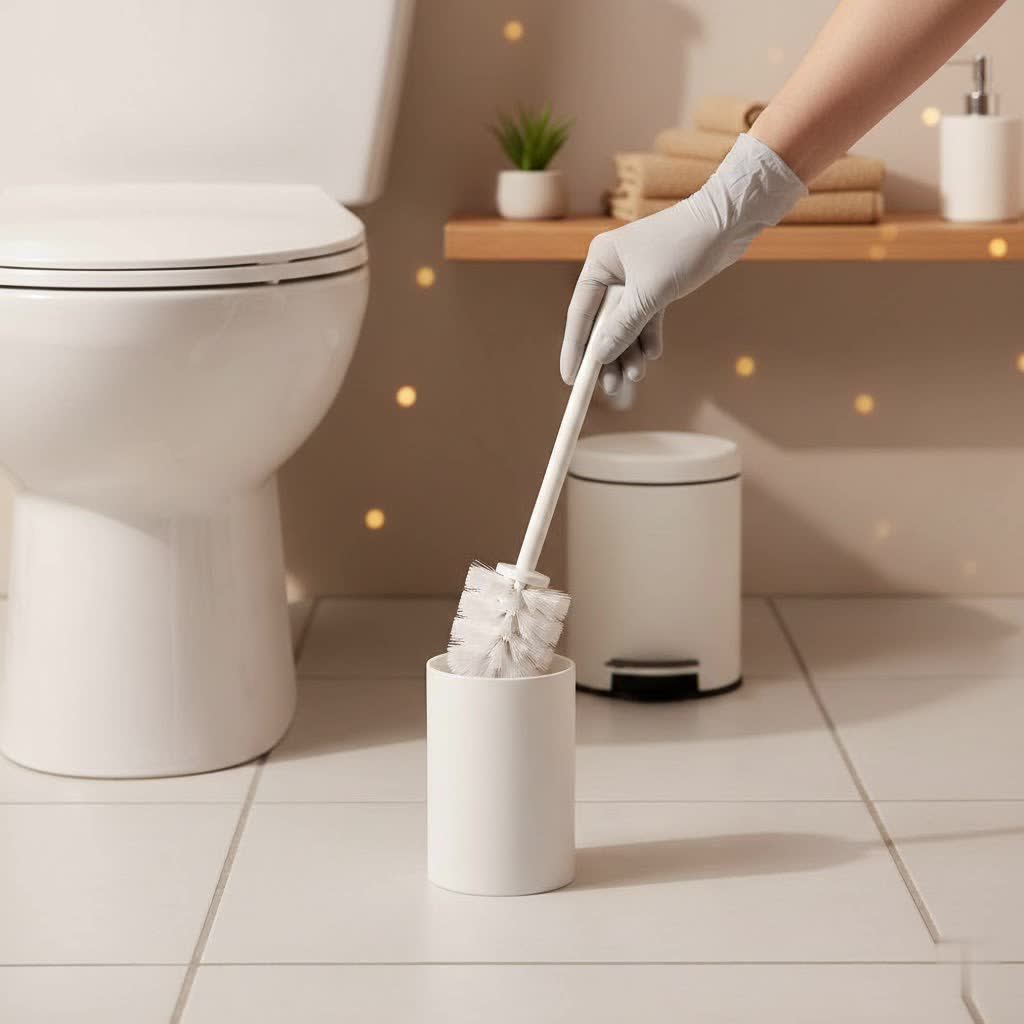
The humble toilet brush, often an overlooked essential, plays a critical role in maintaining a hygienic and sparkling bathroom. Yet, with countless options on the market, choosing the right one can feel overwhelming. From traditional bristled designs to innovative silicone and convenient disposable systems, each type offers distinct advantages and disadvantages. This comprehensive guide is designed to cut through the confusion, helping you understand what makes a toilet brush truly effective and featuring top-rated options to ensure your bathroom remains impeccably clean.
What is a Toilet Brush and why do you need it?
A toilet brush is more than just a cleaning tool; it’s your first line of defense against grime, stains, and bacteria buildup in one of the most frequently used areas of your home. Its primary purpose is to physically scrub away deposits that toilet bowl cleaners loosen, ensuring a thorough clean that a simple flush cannot achieve. Without a dedicated toilet brush, you risk unsightly stains, unpleasant odors, and the proliferation of germs, compromising the overall hygiene of your bathroom environment. Over the years, toilet brushes have evolved into several popular types, each designed to tackle various cleaning challenges.
Factors to Consider When Buying a Toilet Brush
Choosing the best toilet brush means looking beyond the basic function. Several key factors contribute to a brush’s effectiveness, hygiene, and durability, ensuring you get the most out of your cleaning investment.
Type of Toilet Brush
The market offers a diverse range of toilet brush types, each with its unique characteristics for different cleaning needs.
- Traditional Bristle Toilet Brushes: These are the most common and often the most affordable. Typically made with plastic or nylon bristles, they are effective at scrubbing tough stains. However, their densely packed bristles tend to trap dirt, bacteria, and moisture, making them less hygienic and prone to developing odors over time. They also degrade and wear down faster, requiring frequent replacement.
- Silicone Toilet Brushes: Gaining popularity for their hygienic properties, silicone brushes feature flexible, widely spaced “fins” or “squeegees” rather than traditional bristles. This design prevents debris from getting stuck, allows for quicker drying, and is less likely to harbor bacteria and odors. While excellent for hygiene and gentle on porcelain, some silicone brushes may require a bit more pressure to effectively scrub away stubborn grime compared to very stiff bristle brushes.
- Disposable Toilet Brush Systems: These systems offer ultimate hygiene and convenience. They consist of a reusable handle that attaches to single-use scrubbing pads, often pre-loaded with cleaner. After cleaning, the pad is simply discarded, eliminating the need to clean or store a dirty brush. While highly sanitary and effective, the ongoing cost of replacement heads and the environmental impact of disposable items are notable drawbacks.
- Electric Toilet Brushes: For those seeking an effortless clean, electric spin scrubbers can be a game-changer. These motorized brushes come with interchangeable heads and provide powerful, automated scrubbing action, significantly reducing manual effort. They are often versatile, with heads suitable for other bathroom surfaces. However, they tend to be more expensive, require charging, and may lack convenient integrated storage, sometimes being bulky or prone to splashing.
- Eco-Friendly Toilet Brushes: As sustainability becomes a greater concern, eco-friendly options made from natural materials like bamboo handles and coconut husk heads are emerging. These minimize plastic waste and can be quite effective. The main considerations are their higher cost, the need for replacement heads, and the potential for natural materials to mold if not thoroughly dried after each use.
|
Our Picks for the Best Toilet Brush in 2026
We may earn a commission when you use one of our links to make a purchase.
|
||
| Num | Product | Action |
|---|---|---|
| 1 | Clorox Under-Rim Toilet Bowl Brush with Corner Storage Caddy, 16 x 5 x 5.5 in |

|
| 2 | MR.SIGA Toilet Bowl Brush and Holder, Premium Quality, with Solid Handle and Durable Bristles for Bathroom Cleaning, Gray, 1 Pack |
|
| 3 | Compact Toilet Brush & Holder, Stainless Steel Handle, Space Saving for Storage, Deep Cleaning, Drip-Proof, Easy to Assemble, Nylon Bristles, White & Grey |
|
| 4 | MR.SIGA Toilet Bowl Brush and Holder, Premium Quality, with Solid Handle and Durable Bristles for Bathroom Cleaning, White, 1 Pack |
|
| 5 | HAMITOR Toilet Bowl Brush Holder Set: Bathroom Deep Cleaning Toilet Cleaner Scrubber Under Rim with Curved Bristle for Dead Corner Clean - Hidden Rv Toilet Decorative Accessories with Caddy- Gray |
|
| 6 | HAMITOR Toilet Bowl Brush Holder Set: Bathroom Deep Cleaning Toilet Cleaner Scrubber Under Rim with Curved Bristle for Dead Corner Clean - Hidden Rv Toilet Decorative Accessories with Caddy- White |
|
| 7 | SetSail Toilet Brush and Holder, Self Closing Lid Toilet Bowl Brushes Holder and Extra Long Handle Ventilated Toilet Brush Set for Bathroom Cleaning, Nylon Bristles, Black |
|
| 8 | MR.SIGA Toilet Bowl Brush and Holder, Premium Quality, with Solid Handle and Durable Bristles for Bathroom Cleaning, Black, 1 Pack |
|
| 9 | OXO Good Grips Compact Toilet Brush & Canister - Gray |
|
| 10 | OXO Good Grips Compact Toilet Brush & Canister, Toilet Bowl Brush and Holder with Automatic Canister Door, Bathroom and Small Spaces Cleaning Supplies Essential |
|
Material
The material of your toilet brush significantly impacts its performance, durability, and hygiene.
- Plastic/Nylon: Commonly used for bristles and handles due to its low cost. However, plastic bristles can degrade over time, flatten, and are notorious for trapping grime and bacteria.
- Silicone: A superior choice for hygienic brush heads. Its non-porous, quick-drying nature resists bacterial growth and is gentle on toilet bowl surfaces, preventing scratches.
- Stainless Steel: Often used for handles or accents, offering durability, rust resistance, and a modern aesthetic.
- Bamboo/Coconut Husk: Found in eco-friendly brushes, these natural materials are biodegradable but require careful drying to prevent mold and may have a shorter lifespan for the brush head.
The right material ensures your brush remains effective and hygienic over time, preventing early degradation or the spread of germs.
Design
A well-designed toilet brush goes beyond just looking good; it enhances functionality and ease of use.
- Brush Head Design: This is crucial for cleaning effectiveness. Tapered heads are standard, while flat, hexagonal, or D-shaped heads are specifically designed to reach under the toilet rim and into tight crevices or the S-trap with greater efficiency. Flexible silicone heads excel at conforming to bowl curves.
- Handle Design: A comfortable, ergonomic handle with a good grip is vital for exerting pressure without hand fatigue. Handle length should provide ample reach without requiring you to bend excessively. Stiffness is also a factor; too stiff can be awkward, while too flexible can hinder effective scrubbing.
- Holder/Canister Design: The holder is where the brush spends most of its life, and its design impacts hygiene and aesthetics. Look for features like automatic opening mechanisms when you lift the brush, ventilation holes for quick drying, a weighted base for stability (preventing accidental tipping), and a compact footprint for discreet storage. Some disposable systems include integrated storage for extra cleaning pads.
Thoughtful design contributes to a more efficient, comfortable, and hygienic cleaning experience.
Features
Modern toilet brushes often come with additional features that enhance their cleaning power and user convenience.
- Antibacterial Properties: While silicone naturally resists bacterial growth due to its non-porous nature and quick-drying characteristics, some brushes may be treated with antibacterial coatings.
- Rim Cleaner Capability: Many brushes now include a dedicated design element, such as an angled tip or a flexible D-shaped head, specifically to reach and scrub thoroughly under the toilet rim, a common area for hidden grime and mineral buildup.
- Ease of Cleaning and Quick-Drying: A brush that is easy to rinse clean and dries quickly prevents the growth of mildew and eliminates lingering odors. This is a significant advantage of silicone brushes.
- Multi-purpose Attachments: Electric scrubbers often come with a variety of brush heads for different cleaning tasks, making them versatile tools for the entire bathroom.
- Integrated Cleaning Solution: Disposable wand systems come with scrubbing pads infused with powerful toilet bowl cleaner, providing an all-in-one cleaning solution that activates upon contact with water.
These features can elevate a basic cleaning tool into a highly effective and hygienic bathroom essential.
Comparing Popular Toilet Brush Types
To help you make an informed decision, here’s a detailed comparison of the most common toilet brush types:
| Feature | Traditional Bristle | Silicone | Disposable | Electric | Eco-Friendly (e.g., Coconut Husk) |
|---|---|---|---|---|---|
| Hygiene | Low (traps bacteria, odors) | High (quick-drying, less residue) | Very High (fresh head each time) | High (if heads cleaned well, multi-use) | Medium (can mold if not dried) |
| Cleaning Power | Good (stiff bristles), potential for scratching | Good (flexible, reaches crevices), may need more force for tough stains | Excellent (pre-loaded cleaner, scrubbing pad) | Excellent (motorized scrubbing) | Good (rough texture), can shed |
| Durability | Low (bristles flatten, fray) | High (long-lasting) | N/A (single use) | High (motor & handle), heads vary | Medium (heads shed, can degrade) |
| Under-Rim Access | Variable, often poor | Good (flexible head) | Excellent (flat, hexagonal pads) | Variable (depends on head shape/flexibility) | Good (thin heads) |
| Cost | Low (initial), frequent replacement | Medium (initial), long-lasting | High (ongoing replacement heads) | High (initial), ongoing charging/head replacement | High (initial), ongoing replacement heads |
| Maintenance | Hard to clean, requires drying, prone to odors | Easy to rinse, quick-drying | None (discard head) | Clean heads, charge battery | Rinse, requires thorough drying |
| Environmental Impact | High (plastic waste, frequent disposal) | Medium (long-lasting, less waste) | Very High (disposable plastic/foam heads) | Medium (plastic parts, battery disposal) | Low (biodegradable heads), some plastic in handle/base |
Toilet Brush Buying Guide
Navigating the array of toilet brush options can be simplified by following a clear buying process that prioritizes your specific needs.
Determine Your Needs
Before you start shopping, consider your personal cleaning habits and priorities. Do you need a robust brush for daily deep cleaning, or something lighter for weekly upkeep? Are there specific challenges in your toilet, such as hard-to-reach spots under the rim or persistent hard water stains? Consider your budget, as options range from very affordable to premium, and factor in ongoing costs like replacement heads for disposable or eco-friendly systems. Finally, think about your hygiene preferences: is ultimate sanitation (disposable) or a long-lasting, easily cleaned option (silicone) more important to you?
Research Products
Once you have a clear idea of your needs, dedicate time to researching specific products. Read comprehensive reviews from reputable home and cleaning websites that test products rigorously. Consult friends or family for their recommendations and experiences with different types of brushes. Pay attention to user feedback regarding durability, cleaning effectiveness, and any common issues like dripping or odor. Comparing features, materials, and prices across various brands and retailers will help you find the best value and performance.
Purchase from Reputable Stores
When you’ve identified your preferred toilet brush, ensure you purchase it from a reputable retailer, whether online or in-store. Check their return policies carefully in case the product doesn’t meet your expectations. Always inspect the product thoroughly upon arrival for any manufacturing defects or damage. Keeping your purchase receipt is crucial for warranty claims or if you need to make a return or exchange. A trustworthy vendor will also typically offer better customer support.
Top Rated Toilet Brushes on the Market Today
Based on extensive testing and user feedback, several toilet brushes consistently stand out for their performance, hygiene, and design.
-
OXO Compact Toilet Brush & Canister: Often hailed as a top overall reusable choice, this brush features stiff, tapered bristles that excel at scrubbing tough grime and reaching effectively under the rim. Its compact, hands-free canister automatically opens when you lift the brush and is designed for excellent drying, preventing mildew and odors. While its stiff handle can feel somewhat awkward to maneuver initially, its cleaning power and hygienic storage make it a reliable option.
-
Clorox Disinfecting ToiletWand Cleaning System: For those prioritizing ultimate hygiene and convenience, the Clorox ToiletWand is a standout. This all-in-one system uses a lightweight, long handle that attaches to disposable scrubbing pads pre-loaded with Clorox cleaner. The hexagonal head is particularly effective at reaching every crevice, and the sturdy canister provides dedicated storage for both the handle and extra pads. The primary trade-off is the ongoing cost of refill heads and the environmental impact of disposable items.
-
Boomjoy Toilet Brush: Representing the best in silicone technology, the Boomjoy brush boasts a flexible silicone head that effortlessly cleans all areas of the toilet, including hard-to-reach crevices, without scratching porcelain. It’s highly hygienic, drying quickly and resisting bacteria buildup, and comes with a compact, sturdy base. Some users note it might require slightly more force to dislodge stubborn debris compared to traditional bristles, and rinsing the brush head clean may take a bit more effort.
-
Tushy Toilet Brush: If eco-friendliness is a priority, the Tushy Toilet Brush offers an innovative, plastic-free solution. It features a durable bamboo handle, a stainless steel stem, and disposable coconut husk brush heads infused with essential oils. These natural heads are effective at cleaning under the rim, and the system includes a weighted base for stability. The main considerations are its higher initial cost, the ongoing expense of replacement heads, and the potential for the natural heads to shed or the handle to feel slippery.
-
Bell + Howell Scrubtastic Electric Spin Scrubber: This electric scrubber is ideal for those seeking powerful, low-effort cleaning. It comes with multiple interchangeable heads, including a tapered one that excels at tackling toilet bowl grime, and features an extendable, cordless, and rechargeable design. It makes deep cleaning remarkably easy. However, it lacks integrated storage, can be bulky, and might cause splashing if not used carefully. Heads may also remain slightly damp after use.
Investing in one of these top-rated toilet brushes can significantly upgrade your bathroom cleaning routine, making it more effective and hygienic.
Tips for Using and Maintaining Your Toilet Brush
Maximizing the effectiveness and longevity of your toilet brush, regardless of its type, depends heavily on proper usage and consistent maintenance.
- Proper Usage: Don’t just scrub blindly. Apply your preferred toilet bowl cleaner and allow it to sit for the recommended time to dissolve stains and kill germs before you start scrubbing. Focus on critical areas like under the rim, the water line, and any visible stains. For brushes with angled heads, utilize their design to reach those hidden spots.
- Cleaning After Use: After scrubbing, always rinse the brush thoroughly in a clean flush of toilet water. Swish it around to remove any loosened grime or cleaner residue. For silicone brushes, ensure all debris is dislodged from the fins. This step is vital to prevent bacterial growth and unpleasant odors.
- Hygienic Storage: A wet brush is a breeding ground for bacteria and mold. After rinsing, allow the brush to air dry as much as possible before placing it back in its holder. Many top-rated holders feature ventilation or drip trays to facilitate drying. Regularly empty and clean these drip trays to prevent stagnant water buildup, which is a common source of foul odors and mildew.
- Replacement: The lifespan of a toilet brush varies by type and usage. Traditional bristle brushes should typically be replaced every six months to a year, or sooner if the bristles become flattened, discolored, or if the brush develops a persistent smell. While silicone and electric brush heads generally last longer, they still require diligent cleaning and occasional replacement when they show signs of wear or reduced effectiveness.
“While plastic bristles are often the cheapest, they degrade and wear down faster, trapping bacteria and odors. Silicone heads, with their wider-spaced teeth, generally trap less bacteria and are easier to clean, making them a more hygienic choice.” – Sara Aparacio, Home Cleaning Expert at Homeaglow
Conclusion
Choosing the right toilet brush is a small decision with a significant impact on your bathroom’s cleanliness and overall hygiene. Whether you opt for the robust cleaning power of traditional bristles, the superior hygiene of silicone, the ultimate convenience of a disposable system, or the effortless scrubbing of an electric model, understanding the nuances of each type is key. Consider factors such as material, head design for under-rim access, handle comfort, and hygienic storage when making your selection. Invest in a top-rated toilet brush today to transform your cleaning routine from a dreaded chore into an efficient and satisfying task. Which type of toilet brush will best meet your bathroom’s unique cleaning demands?
Câu Hỏi Thường Gặp
How often should I replace my toilet brush?
Generally, you should replace your toilet brush every six months to a year. However, if you notice flattened or discolored bristles, or if the brush emits a foul odor even after cleaning, it’s time for a replacement sooner. Silicone and electric brush heads may last longer with proper maintenance.
Are silicone toilet brushes truly more hygienic than bristle brushes?
Yes, silicone toilet brushes are widely considered more hygienic. Their non-porous material and widely spaced, flexible fins deter the trapping of dirt, bacteria, and odors. This design allows them to dry quickly and makes them significantly easier to rinse clean compared to traditional bristle brushes.
Can I clean under the rim effectively with any toilet brush?
Not all toilet brushes are designed for effective under-rim cleaning. For thorough sanitation, look for brushes with specific features such as tapered, flat, hexagonal, or D-shaped heads, or flexible silicone designs that can easily reach and scrub beneath the toilet rim where grime often accumulates.
What’s the benefit of a disposable toilet brush system?
The primary benefit of a disposable toilet brush system is unparalleled hygiene. Each cleaning session uses a fresh, pre-loaded scrubbing pad that is discarded afterward, eliminating the need to clean or store a dirty, bacteria-laden brush. This makes for a convenient, mess-free, and sanitary cleaning experience.
Is an electric toilet brush worth the investment?
An electric toilet brush can be a worthwhile investment if you seek to minimize physical effort for deep cleaning, particularly for multiple bathrooms or tough stains. They offer powerful, motorized scrubbing and often come with versatile heads for various tasks, though they are typically pricier and require charging and proper storage.
How can I prevent my toilet brush from smelling?
To prevent your toilet brush from developing odors, always rinse it thoroughly in clean toilet water after each use to remove any residue. Crucially, ensure the brush head dries completely before storing it, and regularly empty and clean the brush holder or drip tray to prevent stagnant water and mildew from forming.