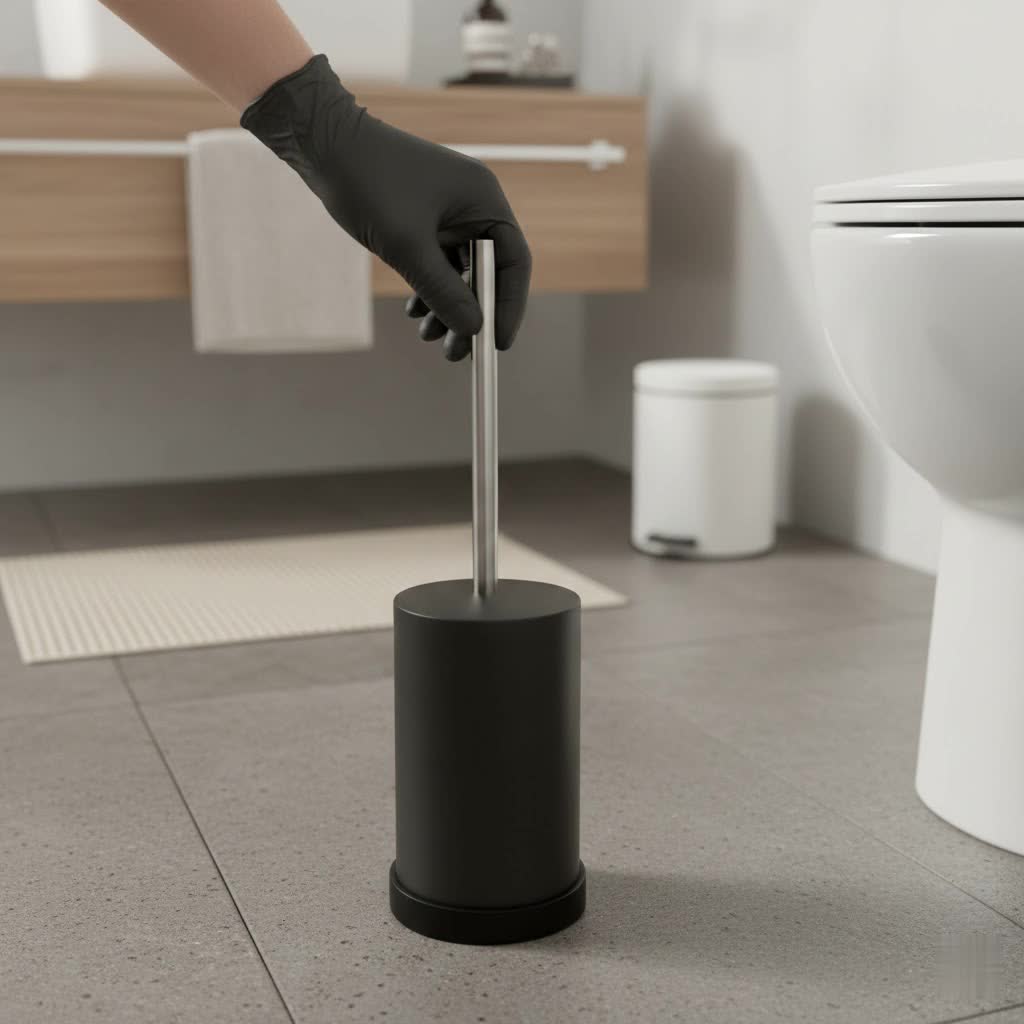
Choosing the best toilet cleaning brush involves evaluating its type, material, design, and features to ensure effective grime removal and optimal hygiene. The ideal brush tackles stains, prevents bacterial spread, and simplifies bathroom chores. With options ranging from traditional bristle to innovative silicone and electric models, selecting the right tool is crucial for maintaining a sparkling and sanitary toilet.
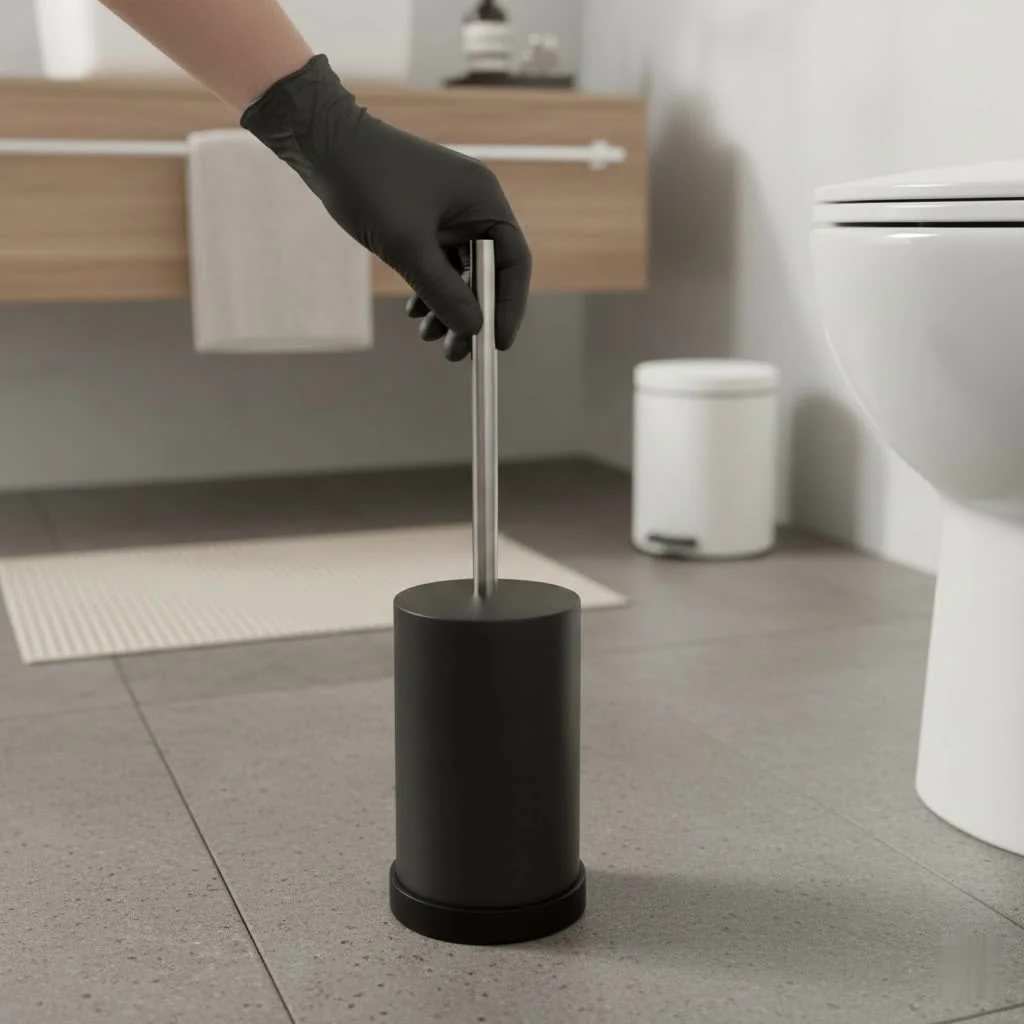
What is a Toilet Brush and Why You Need It?
A toilet brush is a cleaning implement specifically designed for scrubbing the interior surfaces of a toilet bowl. It’s an indispensable tool for maintaining a sanitary bathroom environment, going beyond what toilet cleaners alone can achieve. The primary purpose of a toilet brush is to physically remove stains, mineral deposits, and other residue that accumulate over time, preventing bacteria and unpleasant odors from taking hold.
Without a dedicated brush, maintaining toilet hygiene would be significantly more challenging, leading to a build-up of unsightly stains and a less sanitary space. From traditional bristle models to innovative silicone and even electric options, these tools play a critical role in daily or weekly cleaning routines, ensuring your toilet remains a clean and healthy part of your home.
Factors to Consider When Buying a Toilet Cleaning Brush
Choosing the ideal brush for toilet cleaning involves evaluating several key factors that impact its effectiveness, hygiene, and durability.
Type of Toilet Brush
The market offers a variety of toilet brush types, each with distinct advantages and disadvantages.
- Traditional Bristle Brushes: These typically feature plastic or nylon bristles and are widely available and inexpensive. They are often effective at scrubbing tough stains due to their stiff bristles. However, traditional bristles can harbor bacteria, trap hair and debris, and may wear out or flatten over time, requiring frequent replacement.
- Silicone Toilet Brushes: Gaining popularity for their hygienic properties, silicone brushes feature flexible, non-porous heads. They are less likely to trap water, dry faster, and tend not to tangle hair or harbor bacteria as easily as traditional bristles. While often more durable, some users find they require more effort to scrub stubborn, dried-on stains compared to stiffer bristle brushes.
- Disposable Toilet Brushes: Systems like the Clorox Disinfecting ToiletWand offer disposable scrubbing pads pre-loaded with cleaning solution. These provide a hands-free, highly hygienic cleaning experience since the head is simply discarded after use. The main drawbacks are the ongoing cost of refill pads and their environmental impact.
- Electric Toilet Brushes: These motorized brushes feature rotating heads that reduce the effort required for scrubbing. They can be highly effective for deep cleaning and versatile with interchangeable attachments for various surfaces. However, electric brushes are typically more expensive, bulkier, and require regular charging or battery replacement.
- Eco-Friendly Toilet Brushes: Made from sustainable materials like bamboo handles and natural fibers (e.g., coconut husk), these brushes appeal to environmentally conscious consumers. They are biodegradable but may be more susceptible to mold or degradation if not dried properly or exposed to harsh chemicals.
Material
|
Our Picks for the Best Toilet Brush in 2026
As an Amazon Associate I earn from qualifying purchases.
|
||
| Num | Product | Action |
|---|---|---|
| 1 | OXO Good Grips Compact Toilet Brush & Canister - Gray |

|
| 2 | Clorox Under-Rim Toilet Bowl Brush with Corner Storage Caddy, 16 x 5 x 5.5 in |
|
| 3 | HAMITOR Toilet Bowl Brush Holder Set: Bathroom Deep Cleaning Toilet Cleaner Scrubber Under Rim with Curved Bristle for Dead Corner Clean - Hidden Rv Toilet Decorative Accessories with Caddy- White |
|
| 4 | OXO Good Grips Compact Toilet Brush & Canister, Toilet Bowl Brush and Holder with Automatic Canister Door, Bathroom and Small Spaces Cleaning Supplies Essential |
|
| 5 | MR.SIGA Toilet Bowl Brush and Holder, Premium Quality, with Solid Handle and Durable Bristles for Bathroom Cleaning, Gray, 1 Pack |
|
| 6 | MR.SIGA Toilet Bowl Brush and Holder, Premium Quality, with Solid Handle and Durable Bristles for Bathroom Cleaning, White, 1 Pack |
|
| 7 | MR.SIGA Toilet Bowl Brush and Holder, Premium Quality, with Solid Handle and Durable Bristles for Bathroom Cleaning, Black, 1 Pack |
|
| 8 | SetSail Toilet Brush and Holder, Self Closing Lid Toilet Bowl Brushes Holder and Extra Long Handle Ventilated Toilet Brush Set for Bathroom Cleaning, Nylon Bristles, Black |
|
| 9 | HAMITOR Toilet Bowl Brush Holder Set: Bathroom Deep Cleaning Toilet Cleaner Scrubber Under Rim with Curved Bristle for Dead Corner Clean - Hidden Rv Toilet Decorative Accessories with Caddy- Gray |
|
| 10 | Compact Toilet Brush & Holder, Stainless Steel Handle, Space Saving for Storage, Deep Cleaning, Drip-Proof, Easy to Assemble, Nylon Bristles, White & Grey |
|
The material of both the brush head and the handle significantly influences its performance and longevity.
- Plastic Bristles: Stiff plastic bristles are effective for aggressive scrubbing and are resistant to many harsh toilet cleaners. They excel at removing tough stains.
- Silicone: As a non-porous material, silicone is naturally more hygienic, repels water, and resists bacterial growth. Its flexibility allows it to reach various contours of the toilet bowl.
- Stainless Steel: Often used for handles and stands, stainless steel offers durability, corrosion resistance, and a modern aesthetic, contributing to a longer-lasting product.
- Natural Fibers (e.g., Coconut Husk): Found in eco-friendly brushes, these fibers offer a natural scrubbing power and are biodegradable.
- Bamboo: A sustainable material frequently used for eco-friendly handles, known for its strength and rapid renewability.
Design
Thoughtful design features enhance a brush’s usability and cleaning efficacy.
- Brush Head Shape:
- Round Heads: Provide comprehensive coverage for general scrubbing.
- Flat or Angled Heads: Specifically designed to reach under the toilet rim and into tight corners, addressing often-missed areas.
- D-shaped Heads: A newer design that efficiently reaches under the rim and deeper into the S-trap for a thorough clean.
- Handle Design:
- Length: An ideal handle length of 14 to 18 inches keeps hands away from splashes while providing leverage.
- Grip: Ergonomic and non-slip grips improve comfort and control, reducing strain during use.
- Holder Design:
- Ventilated Holders: Essential for quick drying and preventing mold and bacterial growth, often featuring drip trays.
- Closed Holders: Offer discrete storage, but must be well-ventilated or designed to dry quickly to avoid moisture trapping.
- Compact/Wall-Mounted: Space-saving options for smaller bathrooms.
Features
Beyond basic cleaning, certain features can elevate a toilet brush’s functionality.
- Antibacterial Properties: Silicone is inherently less prone to bacterial buildup, and some brushes may be treated for antimicrobial benefits.
- Rim Cleaners: Many brushes incorporate specific angled bristles or a flexible design to effectively clean under the toilet rim, a common hiding spot for germs.
- Ease of Cleaning and Storage: Disposable heads offer the ultimate ease, while reusable brushes benefit from quick-drying materials and ventilated holders that prevent residue and odors.
- Interchangeable Heads: This feature allows you to replace worn brush heads without buying an entirely new unit, saving money and reducing waste.
- Automatic Cleaning/Drying: Some advanced holders or electric brushes may offer features that help clean or dry the brush automatically.
Comparing Popular Toilet Brush Types
Here’s a comparison of common toilet brush types to help you weigh your options:
| Type | Material (Head) | Key Features | Pros | Cons |
|---|---|---|---|---|
| Traditional Bristle | Plastic/Nylon | Stiff bristles, often round or tapered. | Inexpensive, effective for tough stains. | Harbors bacteria, traps hair/debris, wears out, can rust at base. |
| Silicone | Silicone | Flexible, non-porous “teeth,” quick-drying. | Hygienic, durable, doesn’t tangle hair, dries fast, less bacterial growth. | May require more effort for stubborn stains, some report bristles breaking off. |
| Disposable | Foam/Textile | Pre-loaded with cleaner, hands-free disposal. | Highly hygienic, convenient, no brush cleaning needed. | Costly refills, generates more waste, may lack deep scrubbing power for certain stains. |
| Electric | Plastic/Nylon/Silicone | Motorized rotating head, interchangeable attachments. | Less effort, deep cleaning, versatile for other bathroom surfaces. | More expensive, bulky, requires charging/batteries, often no storage container included. |
| Eco-Friendly | Natural Fibers | Bamboo handle, coconut husk head. | Biodegradable, sustainable, plastic-free. | Higher initial cost, heads may shed, susceptible to mold if not dried properly, less durable. |
Your Guide to Choosing the Best Toilet Cleaning Brush
Navigating the array of choices can be simplified by following a structured buying process.
Assess Your Needs
Before you start shopping, consider your specific requirements and preferences. Do you need a brush for daily quick cleans or for tackling stubborn stains less frequently? Are you concerned about reaching under the rim? What is your budget? How important is hygiene and ease of maintenance to you? Do you prioritize eco-friendliness over raw scrubbing power? Understanding these points will narrow down your options significantly.
Research Products
Once you have a clear idea of your needs, examine product research. Read expert reviews from reputable cleaning publications like The Spruce or Better Homes & Gardens. These sources often conduct rigorous testing and provide unbiased evaluations. Look for detailed information on bristle material, head shape, handle ergonomics, and holder design. Pay attention to user feedback, especially regarding longevity and effectiveness on different types of grime. Comparing price points across various brands and retailers can also help you find a product that offers good value.
Purchase from Reputable Sources
When you’ve identified a few top contenders, make your purchase from trusted retailers. Reputable stores often have clear return policies, which can be beneficial if the brush doesn’t meet your expectations. Always inspect the product before buying, if possible, to ensure there are no defects. Keeping your purchase receipt is a good practice to safeguard your consumer rights.
Top Toilet Brushes for Effective Cleaning
Based on expert testing and user reviews, several toilet brushes consistently stand out for their performance and features:
- OXO Good Grips Compact Toilet Brush & Canister: This brush is a popular choice for its stiff plastic bristles that effectively clean under the rim and around the bowl. Its compact canister discreetly stores the brush and features an automatic opening mechanism when lifted. While durable, the bristles can be stiff, and the holder might retain moisture if not properly ventilated.
- Clorox Disinfecting ToiletWand Cleaning System: Ideal for hands-free hygiene, this system uses disposable scrubbing pads pre-loaded with cleaner. Its hexagonally shaped pads reach under the rim and into crevices, ensuring a thorough clean. The main downsides are the ongoing cost of refills and the waste generated.
- Sellemer/Boomjoy Silicone Toilet Brush: These silicone brushes are praised for their hygienic properties, drying quickly and resisting hair tangles. Their flexible heads effectively clean hard-to-reach areas without scratching porcelain. However, some users note they may require more effort for extremely stubborn spots than traditional plastic bristles.
- Bell + Howell Scrubtastic Electric Spin Scrubber: This electric option drastically reduces cleaning effort with its motorized spinning head and interchangeable attachments. It excels at deep cleaning and can also be used for other bathroom surfaces. However, it’s bulkier, requires charging, and may lack a dedicated storage container.
- Tushy Toilet Brush: An eco-conscious option, this brush features a bamboo handle and disposable coconut husk heads infused with natural oils. It offers effective cleaning and is completely plastic-free. The main considerations are its higher price point and the potential for the natural fibers to shed during use or degrade with certain chemicals.
- Mr.Siga Toilet Plunger and Bowl Brush Combo: This set offers a practical two-in-one solution for smaller bathrooms, combining a dense nylon bristle brush and a plunger in a single, compact storage base. Its sturdy bristles are effective for general cleaning, but the holder may not lock the brush in place, requiring care when moving.
Tips for Using and Maintaining Your Toilet Cleaning Brush
Proper usage and maintenance are crucial for maximizing the effectiveness and lifespan of your toilet brush, while also ensuring bathroom hygiene.
- Use Correctly: Always apply toilet bowl cleaner directly to the bowl first, allowing it to work for a few minutes before scrubbing. Use the brush to scrub all surfaces, paying extra attention to the waterline and under the rim.
- Clean the Brush After Each Use: After scrubbing, rinse the brush thoroughly in the fresh flush water of the toilet to remove any debris and cleaner residue. Some experts recommend a second flush specifically for rinsing the brush.
- Disinfect Regularly: Once a week, disinfect your toilet brush by soaking the head in a solution of bleach or vinegar for 10-15 minutes. Alternatively, you can spray it with an all-purpose disinfectant or toilet cleaner and allow it to sit before rinsing.
- Ensure Proper Drying: Before returning the brush to its holder, allow it to air dry as much as possible. A well-ventilated holder is essential to prevent moisture buildup, which can lead to mold and bacterial growth. Avoid airtight containers that trap dampness.
- Replace When Necessary: Even with diligent care, toilet brushes don’t last forever. Most cleaning experts recommend replacing your toilet brush every six months to a year. You should replace it sooner if the bristles become flattened, frayed, discolored, or if the brush develops a persistent foul odor.
Frequently Asked Questions
How often should you replace a toilet brush?
Experts generally recommend replacing a toilet brush every six months to a year, or sooner if you notice the bristles are flattened, brittle, discolored, or if the brush smells foul despite cleaning. Regular inspection helps determine when it’s time for a new one.
Are silicone toilet brushes more hygienic than traditional ones?
Yes, silicone toilet brushes are generally considered more hygienic. Their non-porous material and widely spaced “bristles” (or teeth) are less likely to trap dirt, hair, and bacteria compared to traditional plastic bristles. They also dry faster, further reducing the environment for germ growth, though they still require regular cleaning.
What is the best way to clean under the toilet rim?
To effectively clean under the toilet rim, look for brushes specifically designed with angled bristles or a flexible, tapered, or D-shaped head that can easily maneuver into this hard-to-reach area. Applying toilet bowl cleaner directly under the rim and allowing it to dwell before scrubbing can also enhance cleaning performance.
Frequently Asked Questions
How often should a toilet brush be replaced for optimal hygiene?
Experts recommend replacing a toilet brush every six months to a year. However, it should be replaced sooner if bristles become flattened, frayed, discolored, or if a persistent foul odor develops, indicating reduced effectiveness and potential bacterial buildup.
Are silicone toilet brushes more hygienic compared to traditional bristle brushes?
Yes, silicone toilet brushes are generally more hygienic than traditional ones. Their non-porous material and widely spaced 'bristles' are less prone to trapping dirt, hair, and bacteria, and they dry faster, which inhibits germ growth. Regular cleaning is still necessary for all brush types.
What is the most effective method for cleaning under the toilet rim?
The most effective method for cleaning under the toilet rim involves using brushes with specifically designed angled, flexible, tapered, or D-shaped heads. Applying toilet bowl cleaner directly under the rim and allowing it to dwell for several minutes before scrubbing significantly enhances cleaning performance in this hard-to-reach area.
What are the key advantages of disposable toilet brush systems?
Disposable toilet brush systems, like the Clorox Disinfecting ToiletWand, offer high hygiene and convenience. They feature pre-loaded cleaning solution pads that are discarded after each use, eliminating the need to clean or store a dirty brush. This hands-free approach minimizes contact with germs.
What materials are commonly used for eco-friendly toilet brushes?
Eco-friendly toilet brushes typically use sustainable materials such as bamboo for handles and natural fibers like coconut husk for the brush heads. These materials are biodegradable and appeal to environmentally conscious consumers, offering a plastic-free alternative for bathroom cleaning.
How to Choose the Best Toilet Cleaning Brush
Follow these steps to select the ideal toilet cleaning brush that meets your specific needs for effectiveness, hygiene, and durability.
Before shopping, determine your cleaning frequency, the types of stains you typically encounter, and if reaching under the rim is a priority. Consider your budget, importance of hygiene, ease of maintenance, and whether eco-friendliness is a key factor. This initial assessment will help narrow down the vast array of options.
Once your needs are clear, research different brush types like traditional bristle, silicone, disposable, electric, and eco-friendly options. Evaluate materials (plastic, silicone, stainless steel, natural fibers), brush head shapes (round, angled, D-shaped), handle design (length, grip), and holder ventilation. Look for features like antibacterial properties and rim cleaners.
Consult expert reviews from reputable cleaning publications and user feedback to gain insights into product performance, longevity, and effectiveness on various types of grime. Pay attention to comments regarding durability, ease of use, and how well the brush addresses common cleaning challenges. Compare price points across brands to find good value.
After identifying your top choices, buy from trusted retailers that offer clear return policies. If possible, inspect the product for any defects before purchasing. Keeping your receipt is advisable for consumer protection and potential returns if the brush does not meet your expectations.
Get our weekly buyer guide
Practical specs, not advice. Unsubscribe anytime.

I finally replaced my old, gross toilet brush with one of the silicone models mentioned here, and wow, what a difference! It really does prevent bacterial spread much better than my old bristle one. Cleaning is so much easier now, and I feel like my bathroom is genuinely cleaner. Highly recommend making the switch if you’re still using an outdated brush.
I picked up one of the traditional bristle brushes, specifically a brand that was in the mid-price range. It does a solid job at tackling stains and gets into all the nooks. My only minor complaint is that it still drips a bit when I put it back in the holder, even with the drip-free base. Still, it’s a huge upgrade from what I had before.
I tried an electric toilet brush after reading about the innovative options. While it certainly makes scrubbing less effort, I found it a bit bulky to store in my small bathroom. It works well for deep cleaning, but for daily touch-ups, I might prefer something simpler. It’s good, but not quite perfect for my specific needs.
This guide helped me understand why a good toilet brush is so indispensable. I always thought toilet cleaners alone were enough, but physically removing those mineral deposits makes a huge difference. My toilet looks brand new after using one of the recommended brushes. It’s definitely an essential tool for a truly sanitary bathroom.