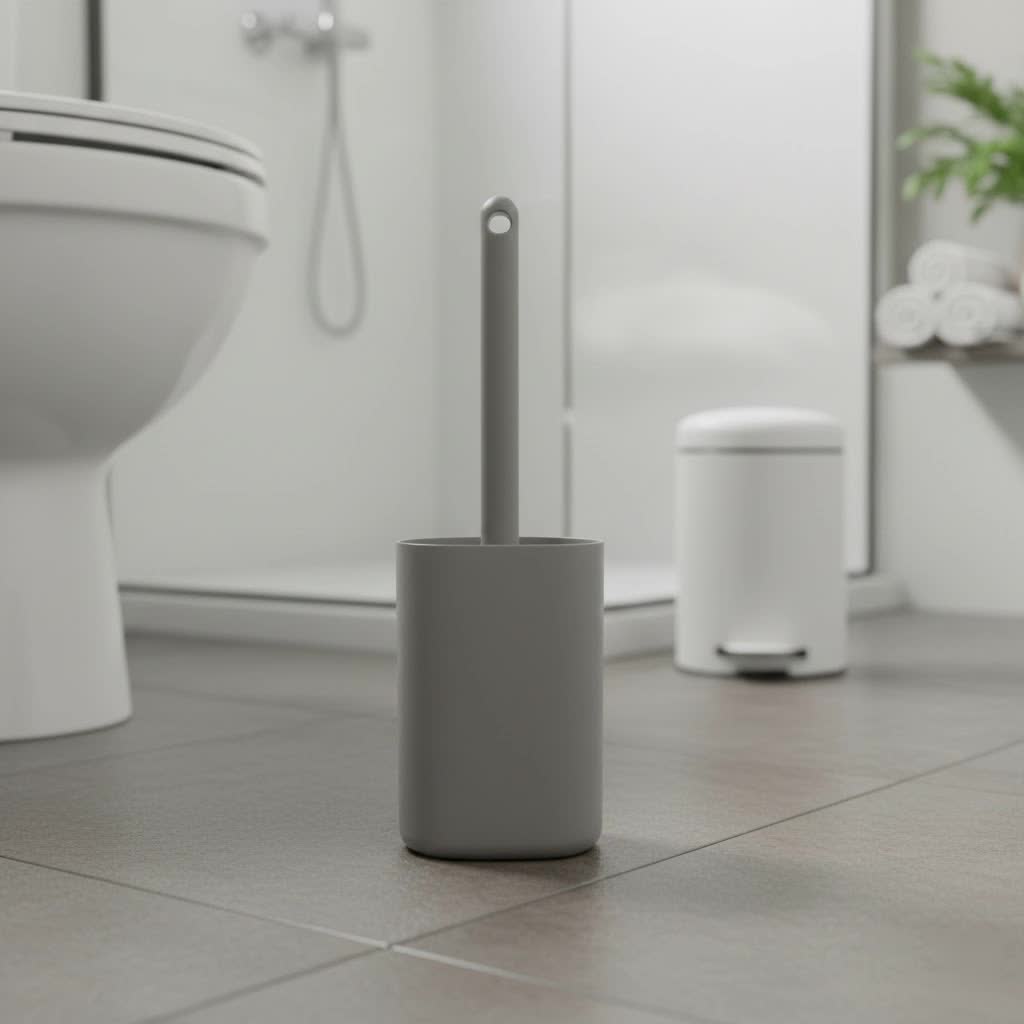
Cleaning the toilet is arguably one of the least appealing household chores. The bending, the scrubbing, and the sheer effort involved in tackling stubborn stains can make it a task many dread. But what if there was a way to transform this mundane chore into a faster, easier, and more hygienic experience? Enter the power toilet brush, a modern marvel designed to put an end to back-breaking scrubbing and deliver a sparkling clean with minimal effort. This comprehensive guide will explore everything you need to know about power toilet brushes, from how they work to choosing the best one for your home, helping you upgrade your bathroom cleaning routine for good.
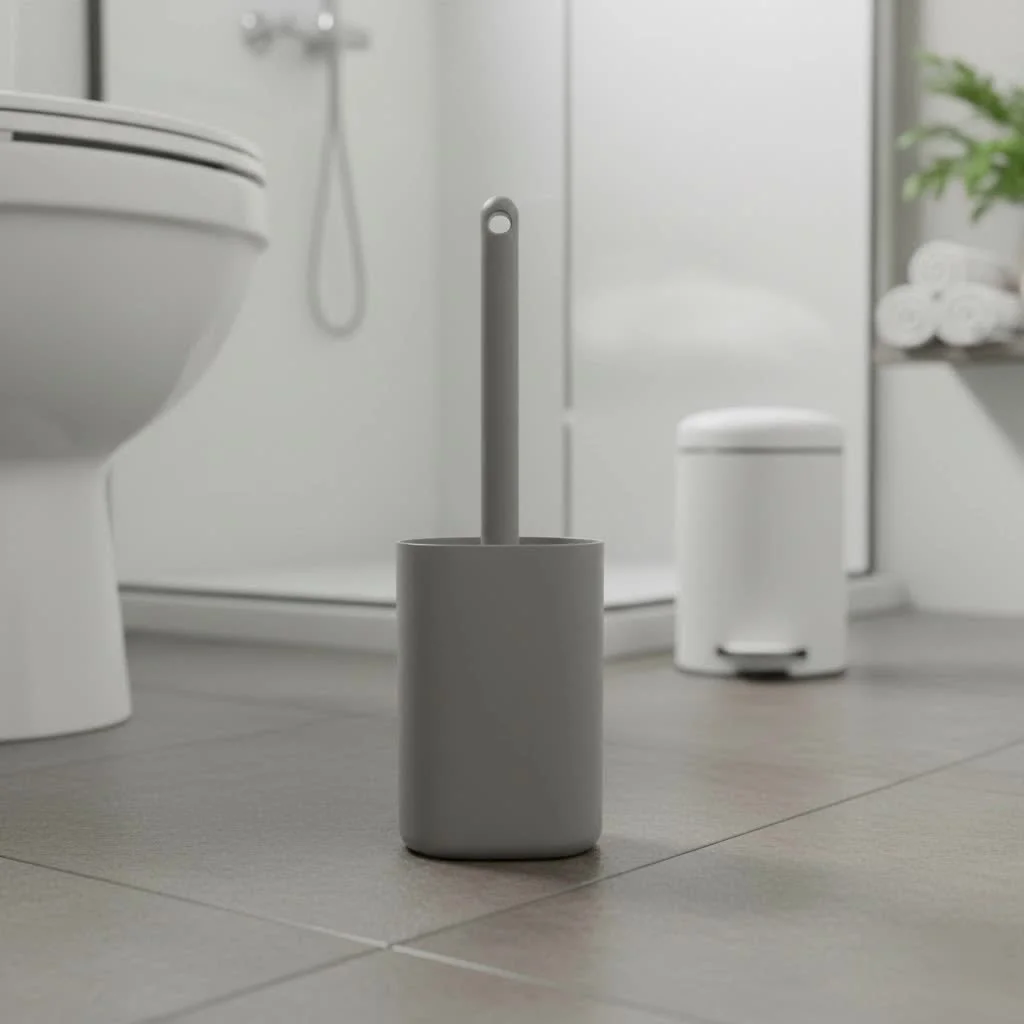
What is a Power Toilet Brush and Why You Need One?
A power toilet brush, also commonly known as an electric toilet brush or spin toilet scrubber, is an innovative cleaning tool equipped with a motorized rotating head. Unlike traditional manual brushes that rely solely on your physical strength, these devices harness electric power to spin bristles or silicone pads at high speeds, effectively dislodging dirt, grime, and tough stains with remarkable efficiency. This makes the arduous task of toilet cleaning significantly less physically demanding and far more effective.
The primary reason you need a power toilet brush is to enhance both the cleanliness and hygiene of your bathroom. Traditional brushes often struggle with hard water stains, limescale, and reaching under the toilet rim, requiring considerable elbow grease to see results. Power brushes, with their consistent, high-speed rotation, can blast through these challenges, delivering a deeper, more consistent clean that manual scrubbing often misses. They reduce the direct contact with unpleasant grime, making the entire process more sanitary and less repulsive.
Key Factors When Choosing Your Power Toilet Brush
Selecting the right power toilet brush involves considering several important factors that impact its performance, durability, and ease of use. Understanding these elements will help you make an informed decision tailored to your specific cleaning needs.
Types of Power Toilet Brush and Head Materials
The core of any power toilet brush lies in its cleaning head and the materials it uses. Most power toilet brushes are cordless and rechargeable, offering convenience and mobility. The brush heads come in different materials, each with distinct advantages.
- Silicone Brush Heads: These are highly praised for their hygienic properties. Silicone is anti-stick, meaning grime and water slide off easily, preventing dripping and reducing the chance of bacteria breeding on the bristles. They are gentle on surfaces, non-scratch, durable, and generally easier to rinse clean. The Horsepower Unicorn, for instance, features over 250 flexible silicone bristles designed to contour every corner.
- Nylon/Bristle Brush Heads: Traditional bristles, often made of nylon, can be more abrasive, making them excellent for tackling extremely tough, caked-on stains and reaching deep into crevices. However, they can sometimes trap debris and may be harder to clean and disinfect completely.
- Disposable Heads: Some electric wands, though less common as “power brushes,” use disposable heads that are pre-loaded with cleaning solution, offering ultimate hygiene by being discarded after each use.
Design and Ergonomics: Comfort Meets Efficiency
|
Our Picks for the Best Toilet Brush in 2026
As an Amazon Associate I earn from qualifying purchases.
|
||
| Num | Product | Action |
|---|---|---|
| 1 | MR.SIGA Toilet Bowl Brush and Holder, Premium Quality, with Solid Handle and Durable Bristles for Bathroom Cleaning, Gray, 1 Pack |

|
| 2 | MR.SIGA Toilet Bowl Brush and Holder, Premium Quality, with Solid Handle and Durable Bristles for Bathroom Cleaning, Black, 1 Pack |
|
| 3 | SetSail Toilet Brush and Holder, Self Closing Lid Toilet Bowl Brushes Holder and Extra Long Handle Ventilated Toilet Brush Set for Bathroom Cleaning, Nylon Bristles, Black |
|
| 4 | MR.SIGA Toilet Bowl Brush and Holder, Premium Quality, with Solid Handle and Durable Bristles for Bathroom Cleaning, White, 1 Pack |
|
| 5 | HAMITOR Toilet Bowl Brush Holder Set: Bathroom Deep Cleaning Toilet Cleaner Scrubber Under Rim with Curved Bristle for Dead Corner Clean - Hidden Rv Toilet Decorative Accessories with Caddy- White |
|
| 6 | OXO Good Grips Compact Toilet Brush & Canister, Toilet Bowl Brush and Holder with Automatic Canister Door, Bathroom and Small Spaces Cleaning Supplies Essential |
|
| 7 | OXO Good Grips Compact Toilet Brush & Canister - Gray |
|
| 8 | HAMITOR Toilet Bowl Brush Holder Set: Bathroom Deep Cleaning Toilet Cleaner Scrubber Under Rim with Curved Bristle for Dead Corner Clean - Hidden Rv Toilet Decorative Accessories with Caddy- Gray |
|
| 9 | Clorox Under-Rim Toilet Bowl Brush with Corner Storage Caddy, 16 x 5 x 5.5 in |
|
| 10 | Compact Toilet Brush & Holder, Stainless Steel Handle, Space Saving for Storage, Deep Cleaning, Drip-Proof, Easy to Assemble, Nylon Bristles, White & Grey |
|
A well-designed power toilet brush prioritizes user comfort and maximum cleaning reach.
- Brush Head Design: Look for heads that are flexible or shaped to reach difficult areas, such as under the toilet rim and into tight curves. Tapered or round heads often offer better maneuverability. The ability of the bristles or silicone to bend and flex independently ensures a thorough clean without scratching.
- Handle Design: An ergonomic handle with a comfortable grip is crucial to prevent fatigue, especially during longer cleaning sessions. Features like extendable handles are a significant advantage, allowing you to clean without excessive bending or kneeling, benefiting individuals with back pain or mobility issues. The weight distribution of the brush should also be considered; lighter models reduce strain.
- Storage Solutions: A drip-free and well-ventilated storage base is essential for hygiene and aesthetics. Some models offer wall-mountable attachments or feature vented holes for quick drying and odor prevention.
Advanced Features and Technology
Modern power toilet brushes often come equipped with additional features that enhance their cleaning prowess and user convenience.
- Motor Speed and Power: The rotational speed, often measured in RPM (rotations per minute), directly correlates to the brush’s scrubbing power. Higher RPMs, like the 300 RPM of the Horsepower Unicorn, can effortlessly cut through tough grime and stains.
- Battery Life and Charging: As most power brushes are cordless, long-lasting battery life (ideally 60 minutes or more per charge) and quick, convenient charging methods (like USB-C) are important. Some designs allow you to detach just the handle for charging.
- Self-Cleaning and Hygiene: Features like a built-in UVC light, as seen in the Sonic Power Electric Toilet Brush, can disinfect the brush head after each use, significantly reducing bacteria and odors. Anti-stick materials like silicone also contribute to better hygiene.
- Interchangeable Attachments: Versatility is key. Some power scrubbers come with multiple brush heads (soft, medium, hard) designed for various tasks beyond the toilet bowl, such as cleaning sinks, grout, or even shower tiles.
- Splash Guard: To prevent water and cleaning agents from splattering outside the toilet bowl, some models incorporate splash-reducing designs.
Power Up Your Cleaning: Electric vs. Manual and Silicone Brushes
The advent of power toilet brushes has brought a new dimension to bathroom hygiene, offering distinct advantages over their traditional manual and even modern silicone manual counterparts. Here’s a detailed comparison to illustrate the differences.
| Feature | Power Toilet Brush | Traditional Bristle Brush | Silicone Manual Brush |
|---|---|---|---|
| Cleaning Power | High (motorized rotation, consistent pressure) | Moderate (depends on manual effort and stamina) | Moderate-High (good friction, but manual effort) |
| Effort Required | Low (let the motor do the work) | High (intensive scrubbing) | Moderate (requires manual scrubbing) |
| Hygiene | High (anti-stick, quick-drying, often UVC light) | Low (traps debris, can harbor bacteria, drips) | High (anti-stick, quick-drying, less bacteria) |
| Durability | Moderate-High (motor/battery life, robust parts) | Low (bristles flatten, rusts, needs frequent replacement) | High (long-lasting silicone, resistant to wear) |
| Cost | Higher upfront investment | Low (very inexpensive) | Moderate (more than traditional, less than power) |
| Ease of Use | Very Easy (guides itself, ergonomic) | Moderate (can be awkward, requires bending) | Easy (flexible, good reach, but still manual) |
| Reach | Excellent (flexible heads, extends reach) | Good (but limited by handle and bristle flexibility) | Excellent (flexible head, reaches under rim) |
| Stain Removal | Excellent (blasts through hard water, grime) | Good (if enough manual force is applied) | Good (effective on general grime) |
| Time Efficiency | High (reduces cleaning time by 30-50%) | Low (time-consuming, repetitive) | Moderate (faster than traditional, but still manual) |
Electric cleaning brushes offer unparalleled efficiency. Their motorized action ensures consistent pressure and high-speed scrubbing that a human hand simply cannot replicate, drastically cutting down cleaning time. This makes them particularly effective against stubborn hard water stains, limescale, and mold that often prove challenging for manual brushes.
From a hygiene perspective, power brushes often come out on top, especially those with silicone heads or UVC self-cleaning features. While silicone manual brushes also offer superior hygiene to traditional bristled ones by resisting debris and drying faster, the added disinfection of an electric brush provides an extra layer of cleanliness. “The rubber brush and disinfecting UV light is the real game changer. No more gross, yellowing toilet brushes lurking by the toilet!” noted one user about the Sonic Power Electric Toilet Brush.
Ultimately, while manual brushes are affordable and simple, and silicone manual brushes are a great hygienic upgrade, the power toilet brush redefines the cleaning experience by minimizing physical effort, maximizing cleaning efficacy, and enhancing overall bathroom hygiene.
Your Comprehensive Buying Guide to Power Toilet Brushes
Investing in a power toilet brush is a smart move for a cleaner, more hygienic bathroom with less effort. Here’s how to choose the right one for your home.
Understanding Your Cleaning Needs
Before purchasing, consider your specific cleaning requirements. Do you face persistent hard water stains, or is it mostly everyday grime? Your answers will guide your choice of brush head material and motor power. For individuals with arthritis, back pain, or limited mobility, an ergonomic design with an extendable handle and minimal vibration is paramount. Lastly, establish a budget; while power brushes are an investment, their long-term benefits in terms of time and effort saved can outweigh the initial cost.
Researching Products and Reviews
Thorough research is key to finding the best fit. Look for reputable brands and read product reviews on various platforms. Pay close attention to feedback regarding battery life, charging time, the effectiveness of different brush head types (silicone versus nylon), and how well the brush reaches under the rim and other awkward spots. Customer testimonials often highlight real-world performance, durability, and any potential drawbacks like splashing.
Where to Purchase and What to Verify
Purchase your power toilet brush from reputable retailers, whether online or in-store. Always check the warranty and return policy, as this provides peace of mind for your investment. Before completing your purchase, inspect the product for overall quality, ensure all advertised accessories (like multiple brush heads or a charging base) are included, and confirm the waterproof rating to ensure it can withstand the bathroom environment.
Top Power Toilet Brushes to Transform Your Cleaning Routine
The market offers several excellent power toilet brushes designed to make your cleaning tasks more efficient and hygienic. Here are a few types to consider, representing the best features available:
- The All-Rounder (e.g., GOOD PAPA Electric Toilet Brush type): Many popular models offer a versatile approach, often featuring interchangeable brush heads—one with soft silicone for daily cleaning and hygienic benefits, and another with more abrasive nylon bristles for tackling tough, set-in stains. These models frequently include a UV light for self-disinfection of the brush head and boast powerful motors (around 300 RPM) to make quick work of grime. Their design often focuses on ergonomic handles and convenient storage solutions, sometimes with wall-mounting options and vented bases for quick drying.
- The Stain Blaster (e.g., High RPM models like Horsepower Unicorn): For those battling persistent hard water rings or limescale, some power brushes prioritize raw scrubbing power. These units typically feature robust motors capable of very high RPMs, designed to create a “vortex of power” that obliterates stubborn buildup. Their brush heads might be engineered with stiffer, more aggressive bristles or a unique silicone pattern optimized for deep cleaning without damaging the porcelain. These are ideal for toilets that require more intensive, less frequent cleaning.
- The Hygienic Choice (e.g., Sonic Power Electric Toilet Brush): If hygiene is your top priority, look for power brushes with advanced self-cleaning features. The Sonic Power Electric Toilet Brush, for instance, integrates a UVC light directly into its storage base, activating after use to sanitize the brush head and reduce bacteria. Coupled with anti-stick silicone bristles that prevent residue buildup, these brushes ensure that the tool itself remains as clean as the toilet it’s scrubbing, eliminating the “gross, yellowing brush” scenario.
Regardless of the specific brand or model, choosing a power toilet brush with features like powerful spin action, durable and hygienic brush head materials, and smart storage will undoubtedly elevate your bathroom cleaning game.
Maximizing Performance: Tips for Using and Maintaining Your Power Toilet Brush
To get the most out of your power toilet brush and ensure its longevity, proper usage and maintenance are key.
Usage Best Practices
Before you begin, apply your preferred toilet cleaner to the bowl and allow it to sit for a few minutes, especially for tough stains; this helps loosen grime and improves the brush’s effectiveness. When using the power brush, let the motor do the work; there’s no need to apply excessive pressure, as this can slow the motor and wear down the bristles prematurely. Guide the brush steadily around the bowl, paying special attention to the waterline and under the rim, where stains often accumulate. Work in small sections to ensure thorough coverage. Be mindful of splashing; while many brushes are designed to minimize this, the high-speed rotation can still cause some splatter, so consider closing the toilet lid or wearing protective eyewear.
Cleaning and Storage for Longevity
After each use, rinse the brush head thoroughly under running water to remove any lingering debris and cleaning solution. If your brush has a UVC disinfection feature, utilize it to kill germs and bacteria. For silicone heads, their anti-stick nature makes rinsing particularly easy. Allow the brush head to air dry completely in its ventilated holder before storing it away. This prevents the growth of mold and mildew, keeping your brush hygienic and odor-free. Keep the charging base or charging port dry and clean.
Maintaining Your Investment
Regularly inspect your brush heads for signs of wear and tear. Even durable silicone or nylon bristles will eventually lose their effectiveness. Replace brush heads as needed to maintain optimal cleaning performance. Keep the power unit charged according to the manufacturer’s instructions to ensure consistent power output and extend battery life. By following these simple tips, your power toilet brush will remain a reliable and efficient cleaning companion for years to come.
“A power toilet brush isn’t just a gadget; it’s a strategic investment in household hygiene and personal convenience. It transforms a loathed chore into a quick, satisfying task.” – Sarah Johnson, Home Cleaning Expert
Conclusion
The power toilet brush represents a significant leap forward in home cleaning technology, offering a compelling alternative to manual scrubbing. By leveraging motorized action, these innovative tools drastically reduce the physical effort and time required to achieve a sparkling clean toilet. With features like high-speed rotation, hygienic silicone bristles, and even UVC disinfection, they provide a level of cleanliness and convenience that traditional methods simply cannot match. If you’re tired of the endless scrubbing and unsanitary nature of old-fashioned toilet brushes, embracing a power toilet brush is a clear path to a more efficient, hygienic, and altogether more pleasant cleaning routine. It’s time to upgrade your bathroom cleaning game and reclaim your weekends. What will you do with the time you save?
Frequently Asked Questions
Are power toilet brushes safe for all toilet types?
Yes, most power toilet brushes are designed to be safe for all standard toilet bowl materials, including porcelain. Many come with flexible silicone or soft nylon bristles that effectively clean without scratching or damaging surfaces. Always check product specifications for any material restrictions.
How often should I charge my power toilet brush?
The charging frequency depends on the battery life and how often you use it. Many models offer 60-90 minutes of runtime on a single charge and might need recharging every few weeks to once a month with typical household use. USB-C charging often makes this convenient.
Can I use any cleaning solution with a power toilet brush?
Generally, you can use your preferred toilet bowl cleaner with a power toilet brush. However, always refer to the manufacturer’s instructions, and avoid excessively harsh or abrasive chemicals that could damage the brush head materials or the device itself. Mild detergents or vinegar-based cleaners are often sufficient.
How often should I replace the brush head?
The lifespan of a brush head varies depending on the material and frequency of use. Silicone heads tend to last longer due to their durability and anti-stick properties. Nylon or bristled heads might need replacement every 3-6 months, or sooner if you notice visible wear, flattening, or a decrease in cleaning effectiveness.
Do power toilet brushes splash more than manual ones?
Due to their high-speed rotation, power toilet brushes can sometimes cause more splashing than manual brushes, especially if used improperly or with large, aggressive brush heads. However, many modern designs incorporate splash-reducing features and ergonomic designs to minimize mess. Using less water and focusing on controlled movements can also help.
Get our weekly buyer guide
Practical specs, not advice. Unsubscribe anytime.
