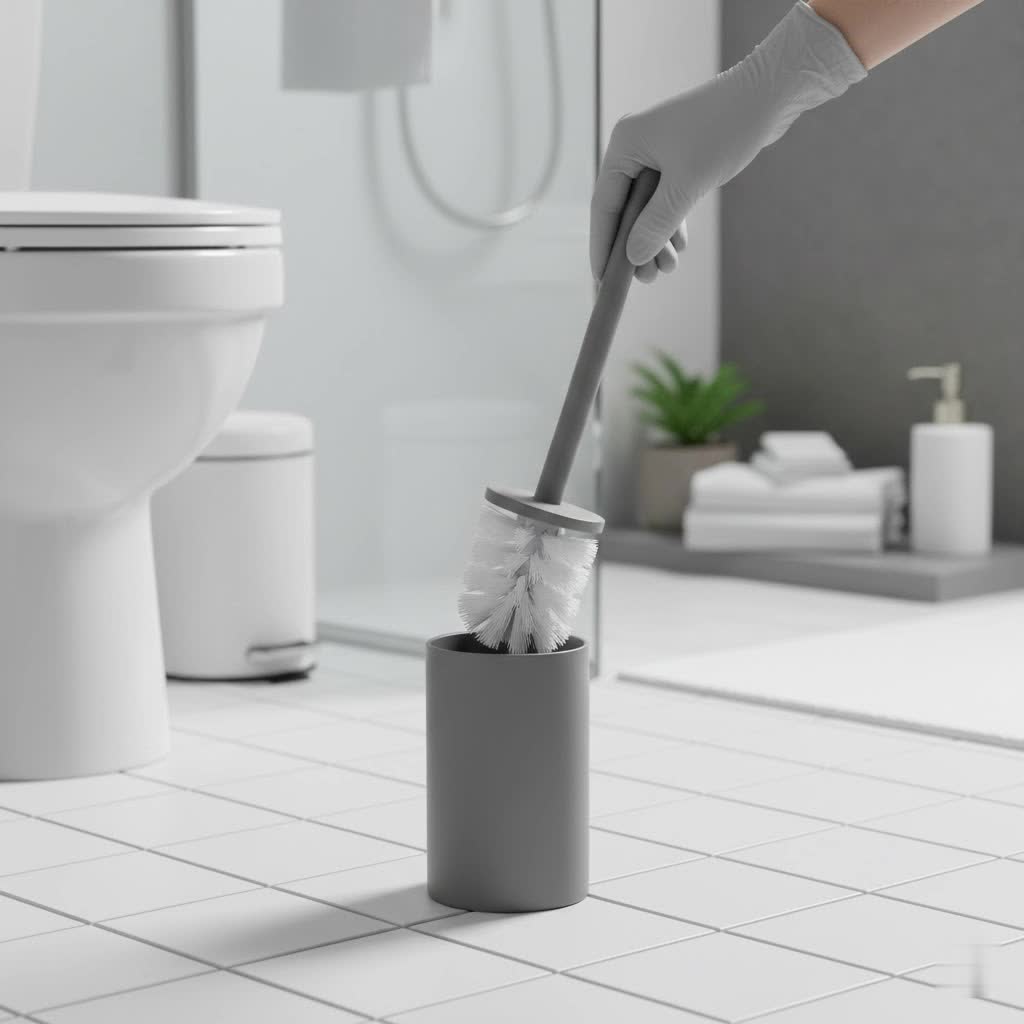
The bathroom, a sanctuary for personal care, often holds an unsung duo crucial for its pristine condition: the toilet bowl brush and plunger set. These aren’t just tools; they are essential guardians against everyday mishaps and the silent heroes ensuring your toilet remains spotless and fully functional. Imagine facing an unexpected clog or a stubborn stain; without the right equipment, a minor inconvenience can quickly escalate into a daunting task. Choosing a high-quality toilet bowl brush and plunger set isn’t just about cleaning; it’s about maintaining hygiene, preventing embarrassment, and extending the life of your bathroom fixtures. This comprehensive guide will walk you through everything you need to know, from understanding different types to selecting the perfect set that blends seamlessly into your home.
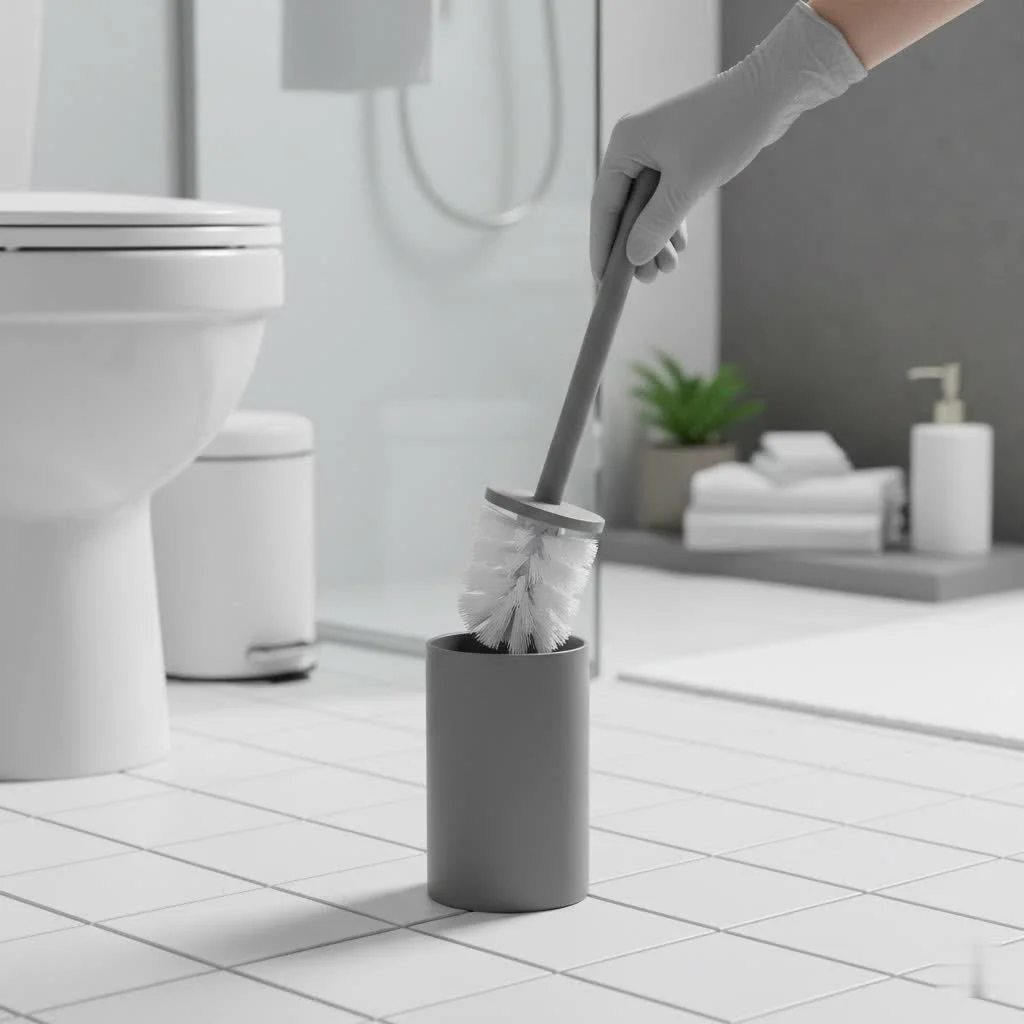
Understanding the Essential Duo: Toilet Bowl Brush and Plunger Sets
A toilet bowl brush and plunger set combines two fundamental bathroom cleaning and maintenance tools into one convenient, often aesthetically pleasing, unit. The toilet brush is designed to scrub away grime, stains, and bacteria from the inner surface of the toilet bowl, including the often-missed area under the rim. The plunger, on the other hand, is your first line of defense against clogs, using suction and pressure to dislodge blockages within the drain. For browse all toilet brushes articles on this site.
Having a dedicated set is more than just practical; it’s a commitment to a consistently clean and functional bathroom. When these tools are housed together, they promote organization and discreet storage, preventing them from being an eyesore. This integrated approach ensures that you always have both the cleaning power of a brush and the unclogging force of a plunger readily available, turning potential bathroom disasters into manageable tasks.
Key Factors to Consider When Buying a Toilet Bowl Brush and Plunger Set
Choosing the right toilet bowl brush and plunger set involves evaluating several critical factors to ensure effectiveness, durability, and hygiene. From the materials used to the design features, each element plays a role in how well the set performs and how long it lasts.
Types of Toilet Brushes in Combo Sets
The brush is your primary weapon against toilet bowl stains and grime. Different brush types offer varying levels of cleaning efficiency and maintenance ease.
- Traditional Bristle Brushes: These typically feature stiff nylon or plastic bristles.
- Pros: Excellent for abrasive scrubbing, effective on tough stains, often more affordable.
- Cons: Bristles can flatten over time, prone to trapping debris and bacteria, may struggle to clean under the rim unless specifically designed with an angled head.
- Silicone Brushes: Characterized by flexible, non-porous silicone fins or blades.
- Pros: Highly hygienic as water and debris roll off easily, resistant to bacterial growth, durable and long-lasting, flexible enough to reach under the rim.
- Cons: May require more effort for heavily stained bowls compared to stiff bristles, can sometimes feel less “scrubby.”
- Disposable Wand Systems (if included in a set): These systems use a reusable handle with disposable cleaning pads that attach.
- Pros: Extremely hygienic as pads are discarded after use, often pre-filled with cleaner, eliminate the need to clean the brush itself.
- Cons: Ongoing cost of replacement pads, generates more waste, may not always be paired with a plunger in a single set.
Types of Plungers in Combo Sets
|
Our Picks for the Best Toilet Brush in 2026
As an Amazon Associate I earn from qualifying purchases.
|
||
| Num | Product | Action |
|---|---|---|
| 1 | HAMITOR Toilet Bowl Brush Holder Set: Bathroom Deep Cleaning Toilet Cleaner Scrubber Under Rim with Curved Bristle for Dead Corner Clean - Hidden Rv Toilet Decorative Accessories with Caddy- Gray |

|
| 2 | MR.SIGA Toilet Bowl Brush and Holder, Premium Quality, with Solid Handle and Durable Bristles for Bathroom Cleaning, White, 1 Pack |
|
| 3 | OXO Good Grips Compact Toilet Brush & Canister - Gray |
|
| 4 | Compact Toilet Brush & Holder, Stainless Steel Handle, Space Saving for Storage, Deep Cleaning, Drip-Proof, Easy to Assemble, Nylon Bristles, White & Grey |
|
| 5 | Clorox Under-Rim Toilet Bowl Brush with Corner Storage Caddy, 16 x 5 x 5.5 in |
|
| 6 | HAMITOR Toilet Bowl Brush Holder Set: Bathroom Deep Cleaning Toilet Cleaner Scrubber Under Rim with Curved Bristle for Dead Corner Clean - Hidden Rv Toilet Decorative Accessories with Caddy- White |
|
| 7 | MR.SIGA Toilet Bowl Brush and Holder, Premium Quality, with Solid Handle and Durable Bristles for Bathroom Cleaning, Black, 1 Pack |
|
| 8 | SetSail Toilet Brush and Holder, Self Closing Lid Toilet Bowl Brushes Holder and Extra Long Handle Ventilated Toilet Brush Set for Bathroom Cleaning, Nylon Bristles, Black |
|
| 9 | MR.SIGA Toilet Bowl Brush and Holder, Premium Quality, with Solid Handle and Durable Bristles for Bathroom Cleaning, Gray, 1 Pack |
|
| 10 | OXO Good Grips Compact Toilet Brush & Canister, Toilet Bowl Brush and Holder with Automatic Canister Door, Bathroom and Small Spaces Cleaning Supplies Essential |
|
The plunger is essential for tackling those unwelcome clogs. The effectiveness of a plunger largely depends on its design and how well it can create an airtight seal in your toilet.
- Flange Plungers: These are the most common and highly recommended type for toilets. They feature a standard rubber cup with an additional, softer rubber flap (the flange) extending from the bottom.
- Best for: Modern toilets, as the flange fits snugly into the drain opening, creating a superior seal for maximum plunging force. They are highly effective for most toilet clogs.
- Beehive Plungers: Named for their distinctive shape, these plungers are designed to form an excellent seal on both older and modern toilet designs.
- Best for: Versatility across various toilet shapes and are known for moving more air through the pipes, requiring less effort.
- Standard/Cup Plungers: While common, these simple cup-shaped plungers are generally better suited for flat drains like sinks or tubs.
- Note: They often struggle to form a tight seal in the curved opening of a toilet bowl, making them less effective for toilet clogs.
Material Matters
The materials used in your toilet brush and plunger set significantly impact its durability, hygiene, and overall effectiveness.
- Brush Bristles/Head:
- Nylon/Plastic: Common for traditional brushes, offering stiffness for scrubbing.
- Silicone: Flexible and hygienic, resists water and debris.
- Disposable Pads: Often synthetic fibers pre-treated with cleaning agents.
- Plunger Head:
- Rubber/TPR (Thermoplastic Rubber): Essential for the suction cup and flange. Look for sturdy, flexible rubber that maintains its shape and creates an airtight seal.
- Handles:
- Plastic: Lightweight and affordable, but can feel less durable.
- Stainless Steel: Offers superior durability, a more premium feel, and resistance to rust, making it a popular choice for aesthetics and longevity.
- Holder/Caddy:
- Plastic: Lightweight, easy to clean, but can sometimes feel less sturdy.
- Stainless Steel/Metal: Durable, often more aesthetically pleasing, and resistant to corrosion.
- Ceramic: Provides a decorative touch and stability.
High-quality materials ensure that your set withstands the rigors of frequent use, resists corrosion, and maintains its cleaning efficacy over time. Durable rubber for plungers ensures an airtight seal, while sturdy brush bristles or flexible silicone heads guarantee thorough cleaning.
Design and Aesthetics
Beyond functionality, the design of a toilet bowl brush and plunger set contributes to your bathroom’s overall look and hygiene.
- Discreet Storage: Many sets feature covered caddies or canisters that conceal the brush and plunger from view, maintaining a tidy appearance. Some innovative designs include automatic closing doors that activate when the tool is returned, enhancing hygiene and discretion.
- Ergonomic Handles: A comfortable grip and adequate handle length are crucial for ease of use and reaching all parts of the toilet bowl without strain.
- Compact Footprint: For smaller bathrooms, a space-saving design is paramount. Look for sets that fit neatly into narrow spaces without tipping over easily.
- Ventilation/Drip Trays: To combat moisture and bacterial growth, effective holders often include ventilation holes or drip trays that allow tools to air dry, preventing unpleasant odors and mildew.
Special Features and Hygiene
Modern toilet bowl brush and plunger sets often incorporate features designed to enhance hygiene and cleaning performance.
- Antimicrobial Protection: Some brush bristles or holder materials are treated with antimicrobial agents to inhibit the growth of bacteria, providing an extra layer of cleanliness.
- Under-Rim Cleaning Capabilities: Specialized brush head designs, such as angled bristles or crescent shapes, are engineered to effectively reach and clean the often-neglected area under the toilet rim.
- Easy to Clean: Features like water-repellent silicone, easily rinsable bristles, or removable/replaceable brush heads simplify the post-cleaning maintenance of the tools themselves.
- Self-cleaning/Sanitizing Holders: Some advanced models allow brushes to be dipped into disinfectant solution stored within the holder after each use, promoting automated sanitization.
Comparing Popular Toilet Bowl Brush and Plunger Sets
When it comes to essential bathroom tools, some sets consistently receive high marks for their performance, design, and durability. Here’s a comparison of common types and popular options:
| Feature | Traditional Bristle Brush & Flange Plunger Set | Silicone Brush & Flange Plunger Set | Disposable Wand System & Flange Plunger Set (Less common combo) |
|---|---|---|---|
| Brush Type | Stiff nylon/plastic bristles | Flexible silicone fins/blades | Disposable scrubbing pads |
| Plunger Type | Flange (most common in effective sets) | Flange | Flange |
| Brush Material | Plastic, Nylon | Silicone, Plastic handle | Synthetic fibers (disposable), Plastic handle (reusable) |
| Plunger Material | Rubber head, Plastic/Metal handle | Rubber head, Plastic/Metal handle | Rubber head, Plastic/Metal handle |
| Key Features | Good scrubbing power, can be inexpensive | Hygienic, water-repellent, durable, good for under-rim | Ultimate hygiene (dispose of pad), pre-filled cleaner |
| Pros | Effective for general grime, widely available | Resists bacteria, easy to rinse, flexible for corners | No brush cleaning, fast stain removal |
| Cons | Can harbor bacteria, bristles may degrade, less under-rim reach | May require more effort for heavy stains | Recurring cost of pads, environmental impact, less plunging focus |
| Example Products | Mr. Siga Toilet Plunger and Bowl Brush Combo | Better Living Products Looeez (brush only) | Clorox Disinfecting ToiletWand (brush only) |
For those prioritizing discreet storage and overall convenience, the OXO Good Grips Toilet Plunger & Canister Set is a frequently praised option. Its integrated design keeps both tools neatly tucked away in an attractive holder with doors that open and close automatically, ensuring hygienic and compact storage. Another consideration for enhanced hygiene is the Rubbermaid Reveal Toilet Brush & Plunger Combo Kit, which includes antimicrobial protection in its bristles.
Your Buying Guide: How to Choose the Perfect Set
Selecting the ideal toilet bowl brush and plunger set doesn’t have to be a chore. By systematically considering your needs and conducting a bit of research, you can find a duo that perfectly suits your bathroom and lifestyle.
Assess Your Specific Needs
Before you start browsing, take a moment to consider what you truly need from your cleaning tools.
- Frequency of Use: Do you need a set for daily touch-ups or occasional deep cleaning? If it’s for frequent use, durability and ease of cleaning become paramount.
- Toilet Type: Do you have a standard, low-flow, or elongated toilet? Flange or beehive plungers are generally best for modern toilets, while a brush with an angled or flexible head is crucial for effectively cleaning under the rim.
- Bathroom Size and Aesthetics: In a small bathroom, a compact, discreetly stored set is vital. If aesthetics are important, look for designs that blend with your decor, often featuring stainless steel or sleek plastic.
- Budget Considerations: Sets range in price from basic and affordable to premium models with advanced features. Determine your budget but remember that investing in quality can save you money and frustration in the long run.
Research and Compare
Once you have a clear idea of your needs, dive into research to see what’s available.
- Reading Reviews: Customer reviews on retail websites can provide valuable insights into a product’s real-world performance, durability, and any common issues.
- Checking Expert Recommendations: Consult reputable cleaning and home improvement sites for their top picks and testing results. Many experts evaluate factors like ease of use, maneuverability, and durability.
- Comparing Features and Prices: Create a mental or physical list of features that are important to you and compare them across different brands and models. Look for value — a higher price often correlates with better materials and thoughtful design.
Where to Buy
To ensure you get a genuine product and good customer service, always purchase from reputable sources.
- Reputable Retailers: Major online retailers, home improvement stores, and specialized kitchen/bath stores are reliable options.
- Checking Warranty and Return Policies: Understand the store’s and manufacturer’s policies in case the product doesn’t meet your expectations or arrives damaged.
Top-Rated Toilet Bowl Brush and Plunger Sets for a Spotless Bathroom
Based on user satisfaction, expert reviews, and innovative design, here are some highly-regarded toilet bowl brush and plunger sets and components that offer excellent performance:
- OXO Good Grips Toilet Plunger & Canister Set: This set is a consistent favorite for its sleek, compact design and hygienic storage. The canister doors automatically open when the plunger or brush is lifted and close when returned, keeping the tools discreetly covered. The plunger features a flange for effective clog removal, and the brush often includes angled bristles for under-rim cleaning.
- Mr. Siga Toilet Plunger and Bowl Brush Combo: Often praised for its robust construction and effective performance, this combo set typically features a sturdy plunger and a durable bristle brush, all within a neat caddy. It’s a reliable choice for everyday cleaning and unclogging.
- Simplehuman Toilet Brush and Plunger with Magnetic Collar (often sold separately but designed to pair): Simplehuman offers a toilet brush with a crescent-shaped head for superior rim cleaning and a plunger with a magnetic collar that connects to its holder, preventing drips. While often purchased individually, their cohesive design makes them a functional and stylish duo.
- Better Living Products Looeez Hygienic Toilet Squeegee (Brush) paired with a high-quality Flange Plunger: While the Looeez is a brush-only item, its silicone squeegee design is exceptionally hygienic and effective at cleaning. Pairing it with a top-rated flange plunger like an OXO plunger (if not buying their combo) creates a powerful, hygienic duo.
These top-rated sets offer a blend of effectiveness, durability, and thoughtful design, making them excellent choices for maintaining a clean and functional bathroom.
Tips for Effective Use and Maintenance of Your Set
Even the best tools require proper usage and care to perform optimally and last longer. Follow these tips to maximize the effectiveness and hygiene of your toilet bowl brush and plunger set.
- Using Your Toilet Brush:
- For best results, apply toilet bowl cleaner and let it sit for a few minutes before scrubbing.
- Focus on scrubbing under the rim, around the water line, and the entire bowl surface.
- After scrubbing, rinse the brush thoroughly by flushing the toilet and swishing the brush in the clean water. You can also add a bit of bleach to the bowl for extra sanitization before the final rinse (but never mix with other cleaners).
- Using Your Plunger:
- Ensure there’s enough water in the bowl to cover the plunger head for maximum suction.
- Position the plunger squarely over the drain opening to create a tight seal.
- Push down slowly to expel air, then pull up sharply and repeatedly to create suction. This “plunging” action helps dislodge the clog.
- Maintain the seal during the entire process until the water drains freely.
- Cleaning and Storing Your Set:
- After Each Use: Rinse both the brush and plunger thoroughly with clean water. For brushes, a final swish in a clean, flushed toilet is often sufficient.
- Sanitization: Regularly spray the brush head and plunger cup with an antibacterial cleaner or a diluted bleach solution (then rinse) to kill germs. Some experts suggest submerging the plunger head in a bleach solution for about 30 minutes for a deep clean.
- Drying and Ventilation: Before returning them to their holder, allow the brush and plunger to drip dry as much as possible. Many holders include drip trays or ventilation holes to facilitate air circulation and prevent moisture buildup, which can lead to mildew and odors. If your holder doesn’t have these, consider placing a small amount of toilet bowl cleaner or disinfectant in the bottom of the holder.
- When to Replace: Replace your toilet brush when the bristles become flattened, matted, or discolored, typically every 6-12 months, depending on use. A plunger should be replaced if the rubber cup cracks, becomes too stiff, or loses its ability to create a tight seal, as this will compromise its effectiveness.
Conclusion
A high-quality toilet bowl brush and plunger set is an indispensable part of a well-maintained bathroom. By understanding the different types of brushes and plungers, considering materials, and prioritizing design features like discreet storage and hygiene, you can make an informed decision that elevates your cleaning routine. Investing in the right tools not only ensures a sparkling clean toilet but also equips you to handle unexpected clogs with confidence and ease. From robust traditional bristles to flexible silicone heads and effective flange plungers, there’s a perfect duo out there for every home. Don’t let these essential items be an afterthought; upgrade your bathroom arsenal today for a cleaner, more hygienic, and functional space.
What steps will you take to find your ideal toilet bowl brush and plunger set?
Frequently Asked Questions
How often should I replace my toilet brush and plunger?
You should typically replace your toilet brush every 6-12 months, or sooner if the bristles are visibly worn, matted, or discolored. A plunger should be replaced if the rubber cup shows signs of cracking, stiffness, or if it can no longer form a strong, airtight seal.
Are silicone toilet brushes better than traditional ones?
Silicone toilet brushes are generally considered more hygienic because their non-porous material resists water and debris buildup, making them easier to clean and less prone to harboring bacteria. While they may require a bit more effort for heavy scrubbing, their flexibility often allows for better under-rim cleaning.
Can I use the same plunger for my toilet and sink?
It is strongly recommended to use separate plungers for your toilet and your sink/tub drains. Toilet plungers (flange or beehive types) are designed differently to create a seal in a toilet bowl’s curved drain, and using a sink plunger on a toilet is often ineffective and unhygienic.
How do I sanitize my toilet brush and plunger?
After each use, rinse both tools thoroughly in clean water. For deeper sanitization, you can spray them with an antibacterial cleaner or a diluted bleach solution, then rinse again. Some people leave a small amount of disinfectant in the bottom of the holder to continuously sanitize the tools.
What’s the best plunger for a low-flow toilet?
For low-flow toilets, a flange plunger or a beehive plunger is generally the most effective. These types are designed to create a strong, airtight seal in the toilet’s drain, providing the necessary suction and force to dislodge clogs efficiently, even with less water.
Get our weekly buyer guide
Practical specs, not advice. Unsubscribe anytime.
