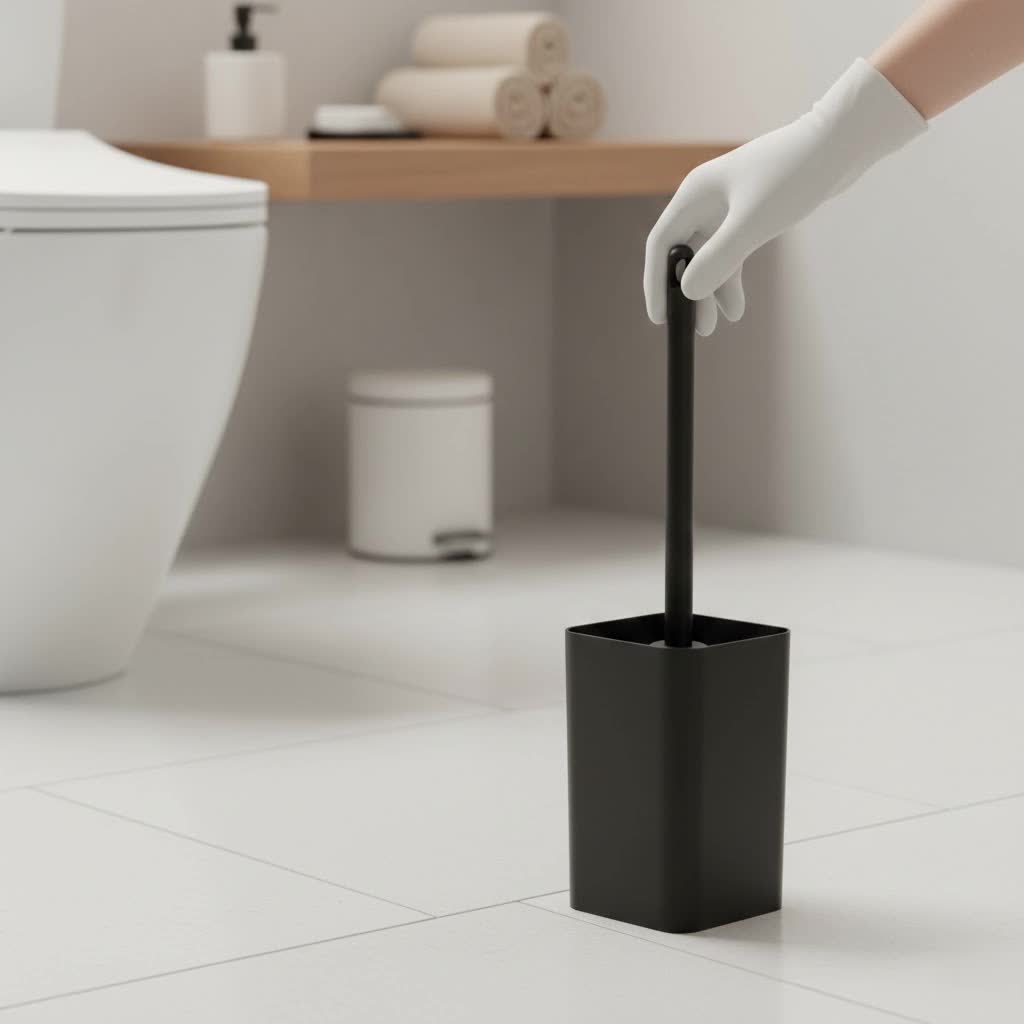
A clean and functional bathroom is a cornerstone of a comfortable home. Yet, when faced with stubborn stains or an unexpected clog, many of us realize our cleaning arsenal might be lacking. The humble toilet bowl brush and plunger, often overlooked, are indispensable tools for maintaining both hygiene and functionality. This comprehensive guide will navigate you through the world of these essential bathroom companions, providing the knowledge you need to select the ideal set for your home.
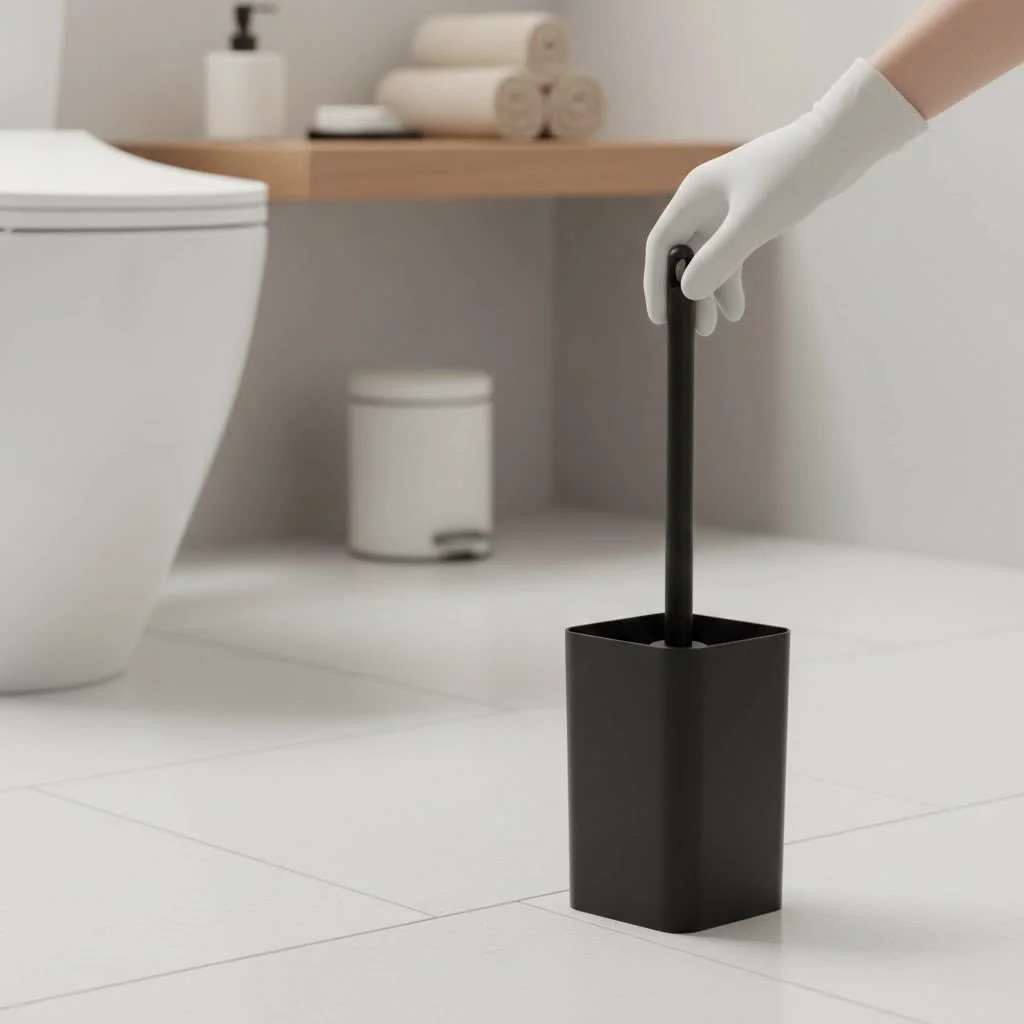
What Are a Toilet Bowl Brush and Plunger and Why Do You Need Them?
At its core, a toilet bowl brush is designed for scrubbing away grime, stains, and residue from the inner surfaces of your toilet. It ensures a sparkling finish and a hygienic environment. A plunger, on the other hand, is your first line of defense against blockages, using suction and pressure to clear obstructed drains. Together, these tools form a dynamic duo, addressing both routine cleaning and emergency unclogging needs. Many modern sets combine both into a single, convenient unit, offering space-saving storage and ensuring you always have the right tools on hand for any toilet-related challenge. For shop curated toilet brushes on this site.
Factors to Consider When Buying a Toilet Bowl Brush and Plunger
Choosing the right toilet bowl brush and plunger set goes beyond basic aesthetics. Several crucial factors influence their effectiveness, durability, and ease of use.
Type of Plunger
The effectiveness of a plunger largely depends on its design and how well it seals against the toilet drain.
- Standard Plungers: These typically feature a simple rubber cup. They are effective for minor clogs in sinks and tubs but may struggle to create an adequate seal in modern toilets.
- Flange Plungers (Toilet Plungers): Distinguished by an extra rubber flap or “flange” extending from the main cup, these plungers are specifically designed for toilets. The flange fits snugly into the toilet drain, creating a superior seal that generates more powerful suction and pressure, making them highly effective for clearing toilet blockages, especially in low-flow models. For frequent clogs, a flange plunger is an invaluable asset.
Type of Toilet Brush
The evolution of toilet brushes has introduced various designs and materials, each with distinct advantages.
- Traditional Bristle Brushes: These are the most common type, typically featuring stiff plastic or nylon bristles.
- Pros: Generally inexpensive, widely available, and highly effective at scrubbing tough stains and reaching into crevices due to their rigidity. Plastic bristles are often resistant to harsh chemical cleaners.
- Cons: Prone to retaining water, which can lead to bacterial growth and unpleasant odors if not properly dried. Bristles can flatten over time, and hair/debris can get tangled, making them harder to clean themselves. Metal components can rust.
- Silicone Brushes: A newer alternative, silicone brushes are gaining popularity for their modern design and hygienic properties.
- Pros: Non-porous material, making them more resistant to bacterial contamination and easier to clean. They dry quickly, minimize drips, and don’t tangle hair. Many are flexible and can reach under the rim effectively. Some can even be sanitized in a dishwasher or boiled.
- Cons: May require more effort or multiple passes to scrub away extremely stubborn stains compared to stiff bristle brushes. Some users report less cleaning power.
- Disposable Brushes: These systems use a handle with replaceable cleaning pads that are pre-loaded with cleaner.
- Pros: Extremely hygienic as the pad is discarded after each use, eliminating germ retention. Hands-free pad ejection.
- Cons: Can be more expensive over time due to refill costs. Generates more waste.
- Electric Brushes: These feature a motorized head that spins to scrub, reducing manual effort.
- Pros: Minimizes physical exertion, can be highly effective with various interchangeable heads.
- Cons: Typically more expensive, requires batteries or charging, and may have a larger footprint.
Material
|
Our Picks for the Best Toilet Brush in 2026
As an Amazon Associate I earn from qualifying purchases.
|
||
| Num | Product | Action |
|---|---|---|
| 1 | MR.SIGA Toilet Bowl Brush and Holder, Premium Quality, with Solid Handle and Durable Bristles for Bathroom Cleaning, Gray, 1 Pack |

|
| 2 | OXO Good Grips Compact Toilet Brush & Canister, Toilet Bowl Brush and Holder with Automatic Canister Door, Bathroom and Small Spaces Cleaning Supplies Essential |
|
| 3 | HAMITOR Toilet Bowl Brush Holder Set: Bathroom Deep Cleaning Toilet Cleaner Scrubber Under Rim with Curved Bristle for Dead Corner Clean - Hidden Rv Toilet Decorative Accessories with Caddy- Gray |
|
| 4 | Compact Toilet Brush & Holder, Stainless Steel Handle, Space Saving for Storage, Deep Cleaning, Drip-Proof, Easy to Assemble, Nylon Bristles, White & Grey |
|
| 5 | OXO Good Grips Compact Toilet Brush & Canister - Gray |
|
| 6 | Clorox Under-Rim Toilet Bowl Brush with Corner Storage Caddy, 16 x 5 x 5.5 in |
|
| 7 | MR.SIGA Toilet Bowl Brush and Holder, Premium Quality, with Solid Handle and Durable Bristles for Bathroom Cleaning, White, 1 Pack |
|
| 8 | MR.SIGA Toilet Bowl Brush and Holder, Premium Quality, with Solid Handle and Durable Bristles for Bathroom Cleaning, Black, 1 Pack |
|
| 9 | SetSail Toilet Brush and Holder, Self Closing Lid Toilet Bowl Brushes Holder and Extra Long Handle Ventilated Toilet Brush Set for Bathroom Cleaning, Nylon Bristles, Black |
|
| 10 | HAMITOR Toilet Bowl Brush Holder Set: Bathroom Deep Cleaning Toilet Cleaner Scrubber Under Rim with Curved Bristle for Dead Corner Clean - Hidden Rv Toilet Decorative Accessories with Caddy- White |
|
The materials used for both the brush head and the handle significantly impact the tool’s performance and longevity.
- Brush Head:
- Plastic/Nylon Bristles: Offer stiffness for effective scrubbing, chemical resistance.
- Silicone: Offers hygiene, quick drying, and flexibility, though potentially less abrasive.
- Handle:
- Plastic: Lightweight and common, but can feel less sturdy.
- Stainless Steel: Durable, rust-resistant, and offers a premium look and feel.
- Ergonomic Rubber Grips: Provide better control and comfort, especially during rigorous cleaning or plunging. Avoid unfinished wood handles, which can harbor bacteria and degrade with cleaners.
- Holder/Caddy: Should be made from durable, easy-to-clean materials like plastic or stainless steel, with good ventilation to allow tools to dry.
Design
Thoughtful design elements can enhance both functionality and bathroom aesthetics.
- Brush Head Shape: Look for brushes with a rounded shape or an angled tip designed to reach under the rim and into challenging curves of the toilet bowl. A hexagon shape can also improve reach.
- Handle Length and Grip: A sufficiently long handle keeps your hands clear of the bowl, while an ergonomic, anti-slip grip ensures comfortable and secure handling, especially when dealing with tough clogs or heavy scrubbing.
- Holder Design: A well-designed holder is crucial for hygiene and discretion. Features like a ventilated base, a drip tray to catch excess water, and self-closing doors or a discreet canister keep the tools out of sight and prevent odors and bacterial spread. Compact designs are ideal for smaller bathrooms.
Features
Modern toilet cleaning tools often incorporate additional features for improved user experience.
- Anti-bacterial Properties: Some brushes or holders are treated with anti-bacterial agents to inhibit germ growth.
- Under-Rim Cleaning: Specific bristle configurations or flexible silicone heads are designed to tackle the often-missed area beneath the toilet rim.
- Easy to Clean and Store: Features like non-stick silicone, removable drip trays, and open-bottom holders facilitate cleaning and air circulation.
- Automatic Sanitization: Some advanced holders can automatically dip the brush into a disinfectant solution after use, offering maximum hygiene.
Comparing Popular Toilet Bowl Brush and Plunger Types
To help you decide, here’s a comparison of common types you’ll encounter:
| Feature | Traditional Bristle Brush | Silicone Brush | Disposable Brush System | Standard Plunger | Flange Plunger |
|---|---|---|---|---|---|
| Material | Stiff plastic/nylon bristles | Non-porous silicone | Disposable scrubbing pads | Rubber suction cup | Rubber suction cup with flange |
| Key Cleaning | Tough stains, deep scrubbing | General cleaning, under-rim | Disinfecting, light scrubbing | Minor clogs (sinks/tubs) | Tough toilet clogs, low-flow |
| Hygiene | Can retain water/germs | Dries fast, resists germs | Excellent (disposable pads) | Can get messy | Better seal, less splash-back |
| Durability | Bristles can flatten, metal rust | Highly durable, long-lasting | Handle durable, pads single-use | Fair, rubber can degrade | Very good, robust for toilets |
| Maintenance | Requires thorough rinsing/drying | Easy to rinse, often dishwasher safe | No cleaning, just dispose | Rinse and dry after use | Rinse and dry after use |
| Pros | Effective on tough grime, affordable | Hygienic, quick-drying, flexible | Ultimate hygiene, pre-loaded cleaner | Simple, basic clog removal | Powerful seal, highly effective |
| Cons | Can harbor germs, messy, tangles | May need more effort for tough stains | Costly refills, environmental impact | Less effective for toilets | Can be bulkier |
| Best For | Budget-conscious, heavy-duty scrubbing | Hygiene-focused, general cleaning | Germ-sensitive, convenience | General household clogs | All toilet types, frequent clogs |
Your Guide to Purchasing the Ideal Toilet Bowl Brush and Plunger Set
Making an informed decision ensures you invest in tools that truly meet your household’s needs.
Assess Your Needs
Before browsing, take a moment to consider your specific requirements:
- Usage Frequency: Do you need a set for daily touch-ups or occasional deep cleaning?
- Cleaning Challenges: Are you dealing with persistent hard water stains, or do you have a modern low-flow toilet prone to clogs? These factors will influence the type of brush and plunger you need.
- Aesthetics and Space: Do you prefer a discreet, compact combo that blends into your bathroom decor, or is pure functionality your top priority? Consider the available space around your toilet.
- Budget: Determine how much you’re willing to spend. While expensive doesn’t always mean better, investing in quality often pays off in durability and performance.
Research Products
Leverage available resources to gather information:
- Read Reviews: Look for honest product reviews on reputable retail sites or cleaning blogs. Pay attention to feedback regarding cleaning effectiveness, durability, and ease of maintenance.
- Seek Recommendations: Ask friends, family, or cleaning professionals for their insights and favorite products.
- Compare Prices: Once you have a few options in mind, compare prices across different retailers to find the best deal.
Purchase from Reputable Retailers
Where you buy your set is as important as what you buy.
- Check Return Policies: Ensure the retailer offers a clear and fair return or exchange policy in case the product doesn’t meet your expectations.
- Inspect the Product: If purchasing in-store, check the item for any visible defects or damage. For online orders, inspect upon arrival.
- Retain Receipts: Always keep your purchase receipts for warranty claims or returns.
Top Picks: Highly-Rated Toilet Bowl Brush and Plunger Sets
While specific brand names may vary, certain features and designs consistently receive high praise from users and cleaning experts alike. When seeking a top-performing set, look for those that offer:
- Integrated Storage Solutions: Sets that combine the brush and plunger into a single, compact caddy with a discreet design are highly favored for their space-saving and aesthetic appeal. Many feature self-closing doors or canisters that hide the tools when not in use, promoting a cleaner look and preventing odors.
- Effective Plunging Power: Plungers with a robust, commercial-grade rubber suction cup, often with an extendable flange, are essential for tackling stubborn clogs efficiently without excessive splashing.
- Superior Cleaning Capability: Brushes with dense, durable bristles (whether plastic or silicone) that can effectively reach under the rim and into all contours of the toilet bowl are key. A design that minimizes drip and allows for quick drying is also a significant plus for hygiene.
- Ergonomic Handles: Comfortable, non-slip handles for both tools make the cleaning and unclogging processes less strenuous and more effective.
- Durable and Hygienic Materials: Stainless steel components for handles and ventilated holders made from easy-to-clean plastics ensure longevity and help prevent bacterial growth.
> “The best toilet cleaning tools are those you’ll actually use consistently. Ease of storage and effective design are just as important as brute cleaning power.” – Maria Gonzales, Professional Home Organizer
Tips for Using and Maintaining Your Toilet Bowl Brush and Plunger
Proper usage and maintenance extend the life of your tools and ensure maximum hygiene.
- Use the Right Technique:
- Brush: Apply toilet cleaner generously, especially under the rim. Allow it to sit for a few minutes before scrubbing. Work the brush around the entire bowl, paying special attention to the waterline and any visible stains. Flush the toilet with the brush still in the bowl to rinse it thoroughly.
- Plunger: Ensure the plunger creates a tight seal over the drain. Push down slowly to expel air, then plunge vigorously in an up-and-down motion several times. Break the seal quickly on the last pull to create maximum suction.
- Hygiene Practices:
- Brush: After rinsing, shake off excess water into the toilet. You can spray it with disinfectant or pour a small amount of toilet cleaner over it before storing. Ensure your holder allows for air circulation to help it dry completely.
- Plunger: Rinse the plunger thoroughly in the toilet bowl (with clean water) or a utility sink after use. Disinfect regularly, especially after a major clog. Let it air dry before placing it back in its holder to prevent mold and odors.
- Proper Storage: Always store your toilet bowl brush and plunger in a dedicated holder or caddy. This keeps them discreet, prevents drips, and maintains a tidy bathroom. Look for holders with a stable base that won’t tip over.
- Regular Replacement: Even with diligent cleaning, toilet brushes should be replaced periodically, typically every 6-12 months, or sooner if the bristles become worn or discolored. Plungers generally last longer but should be replaced if the rubber cup cracks or loses its flexibility.
Conclusion
The toilet bowl brush and plunger are more than just bathroom accessories; they are vital tools for maintaining a healthy and pleasant home environment. By understanding the different types, materials, and designs available, you can confidently choose a set that not only tackles grime and clogs effectively but also integrates seamlessly into your bathroom. Investing in a high-quality, well-designed set means you’re always prepared, ensuring your toilet remains pristine and functional for years to come. What’s your top priority when selecting these essential cleaning companions for your home?
Frequently Asked Questions
How often should I replace my toilet bowl brush?
It’s generally recommended to replace your toilet bowl brush every 6 to 12 months, or sooner if you notice the bristles are flattened, discolored, or if it begins to harbor unpleasant odors. Regular replacement ensures optimal cleaning performance and hygiene.
Are silicone toilet brushes really better than traditional bristle brushes?
Silicone brushes offer superior hygiene as they are non-porous, resist bacterial growth, dry quickly, and don’t tangle hair. While they might require slightly more effort for very stubborn stains, their ease of cleaning and durability often make them a preferred choice for many homeowners focused on sanitation.
What is the best type of plunger for modern low-flow toilets?
For modern low-flow toilets, a flange plunger is highly recommended. Its extended rubber flap creates a tighter, more effective seal within the toilet’s drain, generating the necessary pressure and suction to clear clogs that standard cup plungers often struggle with.
How can I keep my toilet brush and plunger hygienic between uses?
To maintain hygiene, thoroughly rinse both tools in clean toilet water after each use. Shake off excess water, then allow them to air dry in a well-ventilated holder before storing them. Regularly disinfecting the brush with a spray cleaner and cleaning the holder’s drip tray can further prevent germ buildup.
Can I use a toilet brush to clean other bathroom fixtures?
It is strongly advised against using your toilet brush for cleaning other bathroom fixtures like sinks or tubs. A toilet brush comes into contact with significant bacteria, and cross-contamination can spread these germs to other surfaces. Always use separate, dedicated cleaning tools for different areas of your bathroom.
Get our weekly buyer guide
Practical specs, not advice. Unsubscribe anytime.
