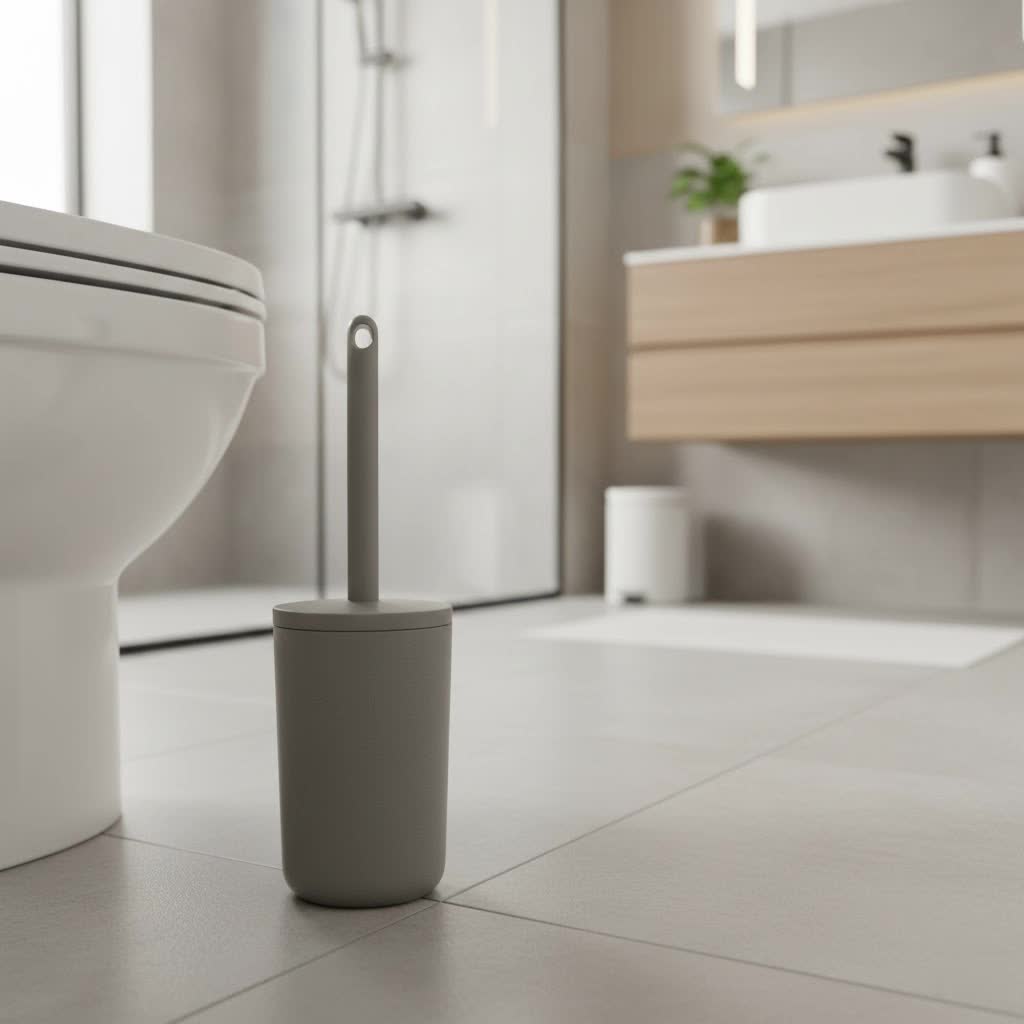
Keeping your bathroom pristine is a universal goal, and at the heart of a truly clean restroom lies an often-overlooked hero: the toilet bowl cleaner brush. This essential tool goes beyond mere aesthetics, playing a critical role in maintaining a hygienic and inviting space. If you’ve ever wrestled with stubborn stains or questioned the effectiveness of your current brush, you understand the difference a well-chosen toilet bowl cleaner brush can make. Let’s delve into everything you need to know to select the perfect one for your home.
What is a Toilet Bowl Cleaner Brush and Why Do You Need One?
A toilet bowl cleaner brush is a specialized cleaning implement designed to scrub and remove grime, stains, and bacteria from the inner surfaces of your toilet. It’s distinct from other cleaning tools due to its long handle and a brush head engineered to reach all contours of the toilet bowl. While commonly used with toilet cleaner or bleach, its primary function is the mechanical removal of debris that chemical agents alone might struggle with. Regular use of a quality toilet bowl cleaner brush is paramount for several reasons: it prevents the buildup of unsightly rings and stains, eliminates odor-causing bacteria, and contributes significantly to the overall sanitation of your bathroom. Without it, maintaining a truly clean and germ-free toilet would be an arduous and less effective task.
The market offers a diverse range of toilet bowl cleaner brushes, each with unique advantages tailored to different cleaning preferences and needs. From the timeless reliability of traditional bristle brushes to the innovative designs of silicone and disposable systems, understanding these varieties is the first step toward making an informed choice for your home.
Key Factors to Consider When Buying a Toilet Bowl Cleaner Brush
Choosing the right toilet bowl cleaner brush involves more than just picking the first one you see. Several key factors can significantly impact its effectiveness, hygiene, and user experience.
Type of Toilet Bowl Cleaner Brush
The type of brush you select forms the foundation of your cleaning routine. Each offers a distinct approach to tackling toilet grime.
- Traditional Bristle Brushes: These typically feature plastic or nylon bristles. They are known for their stiffness and durability, making them highly effective at scrubbing away tough grime and stains without scratching porcelain. Traditional brushes are widely available and generally resistant to harsh chemical cleaners. However, they can sometimes trap water, hair, and debris within their bristles, potentially making them less hygienic and harder to clean thoroughly after use.
- Silicone Brushes: A modern alternative, silicone brushes are lauded for their hygienic properties. Their non-porous nature means they resist bacteria and mold growth, dry quickly, and are exceptionally easy to rinse clean. Silicone bristles are also durable, less prone to wear and breakage, and flexible enough to reach challenging areas. While they excel in hygiene and longevity, some users find they require a bit more effort or specific scrubbing techniques to tackle extremely stubborn stains compared to their bristle counterparts.
- Disposable Wand Systems: Products like the Clorox ToiletWand offer ultimate convenience. They consist of a handle that attaches to disposable cleaning pads pre-loaded with cleaner. After scrubbing, you simply detach and discard the used pad, eliminating the need to clean and store a dirty brush. This system is excellent for daily maintenance and ensures maximum hygiene by preventing cross-contamination. The main drawbacks include their less eco-friendly nature due to continuous waste and the ongoing cost of refills. They might also lack the robust scrubbing power for heavy-duty cleaning tasks.
- Electric Toilet Brushes: For those seeking minimal effort, electric brushes provide a powerful scrubbing action without manual exertion. They typically come with interchangeable heads and an extendable handle to reach all areas of the toilet. While highly effective, they are generally bulkier and require careful sanitization of the brush heads after each use.
Material
|
Our Picks for the Best Toilet Brush in 2026
As an Amazon Associate I earn from qualifying purchases.
|
||
| Num | Product | Action |
|---|---|---|
| 1 | OXO Good Grips Compact Toilet Brush & Canister, Toilet Bowl Brush and Holder with Automatic Canister Door, Bathroom and Small Spaces Cleaning Supplies Essential |

|
| 2 | HAMITOR Toilet Bowl Brush Holder Set: Bathroom Deep Cleaning Toilet Cleaner Scrubber Under Rim with Curved Bristle for Dead Corner Clean - Hidden Rv Toilet Decorative Accessories with Caddy- White |
|
| 3 | OXO Good Grips Compact Toilet Brush & Canister - Gray |
|
| 4 | MR.SIGA Toilet Bowl Brush and Holder, Premium Quality, with Solid Handle and Durable Bristles for Bathroom Cleaning, White, 1 Pack |
|
| 5 | Clorox Under-Rim Toilet Bowl Brush with Corner Storage Caddy, 16 x 5 x 5.5 in |
|
| 6 | MR.SIGA Toilet Bowl Brush and Holder, Premium Quality, with Solid Handle and Durable Bristles for Bathroom Cleaning, Black, 1 Pack |
|
| 7 | HAMITOR Toilet Bowl Brush Holder Set: Bathroom Deep Cleaning Toilet Cleaner Scrubber Under Rim with Curved Bristle for Dead Corner Clean - Hidden Rv Toilet Decorative Accessories with Caddy- Gray |
|
| 8 | MR.SIGA Toilet Bowl Brush and Holder, Premium Quality, with Solid Handle and Durable Bristles for Bathroom Cleaning, Gray, 1 Pack |
|
| 9 | Compact Toilet Brush & Holder, Stainless Steel Handle, Space Saving for Storage, Deep Cleaning, Drip-Proof, Easy to Assemble, Nylon Bristles, White & Grey |
|
| 10 | SetSail Toilet Brush and Holder, Self Closing Lid Toilet Bowl Brushes Holder and Extra Long Handle Ventilated Toilet Brush Set for Bathroom Cleaning, Nylon Bristles, Black |
|
The materials used in a toilet bowl cleaner brush dictate its durability, cleaning efficacy, and how easily it can be maintained.
- Plastic/Nylon: Commonly used for traditional bristles, these materials offer excellent scrubbing power and resistance to various cleaning agents. They are cost-effective but can degrade over time, with bristles flattening or splaying.
- Silicone: As discussed, silicone is highly valued for its non-porosity, quick-drying capabilities, and resistance to bacteria, making it a hygienic choice. It’s also gentle on surfaces, reducing the risk of scratches.
- Stainless Steel: Often used for handles or holders, stainless steel provides durability and a sleek, modern aesthetic. However, it’s crucial to ensure it’s high-quality stainless steel to prevent rust, especially in humid bathroom environments.
- Wood/Natural Fibers: For an eco-conscious approach, some brushes feature natural fibers like Tampico bristles or coconut husk with wooden handles. These can be effective and offer an organic look, though they may require specific care to prevent moisture absorption and ensure longevity. The impact of material on durability and cleaning performance is significant, with silicone and high-quality plastic bristles generally offering a good balance of efficacy and longevity.
Design
A well-designed toilet bowl cleaner brush considers both functionality and aesthetics.
- Brush Head Design: Look for a head that can effectively reach all parts of the toilet bowl. Features like a spiral shape, curved bristles, or an additional side brush are excellent for cleaning under the rim, a common breeding ground for germs and stains. Round heads are generally easy to maneuver, while some flat silicone designs might require more effort for comprehensive coverage.
- Handle Design: An ergonomic handle is crucial for comfort and control. It should be long enough to keep your hands safely away from splashes yet provide a firm, non-slip grip, even when wet. The length and angle of the handle can significantly reduce strain during scrubbing.
- Holder Design: The holder is almost as important as the brush itself for hygiene and discreet storage. Features like proper ventilation or a drip tray prevent moisture buildup and odors. Many modern holders are designed to snap shut, sealing in unpleasantries. Consider compact designs, wall-mounted options, or those with anti-splash covers for a cleaner and more organized bathroom space. Aesthetics also play a role, with many brands offering holders that blend seamlessly with bathroom décor.
Special Features
Modern toilet bowl cleaner brushes often incorporate innovative features to enhance the cleaning experience.
- Antibacterial Properties: Some brushes are infused with antimicrobial agents, helping to inhibit the growth of bacteria on the bristles, further boosting hygiene.
- Ability to Clean Hard-to-Reach Areas: Specialized brush head shapes or flexible materials like silicone are designed to tackle the notoriously difficult-to-clean areas, such as under the rim or the S-bend.
- Ease of Cleaning and Storage: Features that make the brush itself easier to clean (e.g., non-stick silicone, quick-drying materials) and holders that promote airflow or prevent drips are highly desirable for maintaining hygiene and extending the brush’s lifespan.
- Other Special Features: This can include self-cleaning systems where the brush is sanitized within its holder, spray nozzles with integrated cleaning solution reservoirs, or brushes with replaceable heads, allowing you to refresh the cleaning surface without buying an entirely new unit.
Comparing Popular Toilet Bowl Cleaner Brush Types
Understanding the nuances between different types of toilet bowl cleaner brushes can help you select the ideal tool for your bathroom. Here’s a detailed comparison to guide your choice.
| Feature | Traditional Bristle Brush | Silicone Brush | Disposable Wand System | Electric Toilet Brush |
|---|---|---|---|---|
| Cleaning Power | Excellent for scrubbing tough stains and heavy grime. | Good for daily cleaning; may require more effort for stubborn, dried-on messes. | Good for light cleaning and maintenance. | Excellent, effortless scrubbing for deep cleaning. |
| Hygiene | Can trap water, hair, and debris; harder to fully sanitize. | Highly hygienic; non-porous, dries quickly, resists bacteria/mold. | Most hygienic; pads are discarded after single use. | Hygienic if brush heads are regularly disinfected/replaced. |
| Durability | Bristles can flatten, splay, and wear out over time. | Very durable; bristles less prone to breaking or deforming. | Handle is reusable, but cleaning pads are single-use. | Durable motor and handle; brush heads are replaceable. |
| Maintenance | Requires thorough rinsing and air drying; can be difficult to clean bristles. | Easy to rinse clean; can be sterilized or boiled. | No brush to clean; simply discard the used pad. | Requires cleaning/sanitizing brush heads after use. |
| Under-Rim Access | Often designed with specific angles or side bristles for rim cleaning. | Flexible designs can reach under the rim effectively. | Designed to reach under the rim. | Interchangeable heads and angles provide good access. |
| Environmental Impact | Creates plastic waste; requires replacement. | More environmentally friendly due to longevity; less frequent replacement. | High waste generation due to disposable pads. | Reusable handle, but brush heads still generate waste. |
| Typical Price Range | $5 – $20 | $15 – $40 | $10 – $25 (starter kit) + ongoing refill costs ($5-$15) | $30 – $70+ |
| Pros | Strong scrubbing action, widely available, affordable. | Hygienic, durable, quick-drying, aesthetic. | Convenient, no dirty brush storage, pre-loaded cleaner. | Effortless, powerful cleaning, saves time. |
| Cons | Less hygienic, bristles can get dirty/matted. | May require more scrubbing for tough stains. | Costly refills, environmental impact. | Bulkier, requires power source (batteries/charging). |
| Best For | Budget-conscious users, heavy-duty scrubbing. | Hygiene-focused users, modern bathrooms. | Daily quick cleans, germ-averse users. | Those seeking maximum cleaning power with minimal effort. |
Expert Insight:
“While traditional bristle brushes offer robust scrubbing power, the shift towards silicone technology addresses long-standing hygiene concerns, providing a cleaner tool for a cleaner toilet.” – Dr. Eleanor Vance, Environmental Health Specialist
Your Comprehensive Buying Guide for Toilet Bowl Cleaner Brushes
Navigating the array of toilet bowl cleaner brushes can be simplified by following a structured buying process. This guide will help you pinpoint the best option for your specific circumstances.
Assess Your Cleaning Needs
Before you start shopping, take a moment to consider your personal cleaning habits and priorities. Do you perform daily touch-ups, or do you prefer a deeper, less frequent cleaning? If your toilet is prone to hard water stains or requires significant scrubbing, a brush with robust bristles or an electric option might be more suitable. If hygiene and quick clean-ups are your top priority, a silicone brush or a disposable system could be ideal. Also, think about your budget: how much are you willing to invest in this essential bathroom tool? This initial assessment will narrow down your choices considerably.
Research and Gather Product Information
Once you have a clear idea of your needs, dive into research. The internet is a treasure trove of information. Start by reading product reviews on reputable e-commerce sites and consumer review platforms. These often provide valuable insights into real-world performance, durability, and user satisfaction. Websites specializing in home goods or cleaning products frequently publish “best of” lists and in-depth comparisons. Don’t hesitate to ask friends, family, or online communities for their recommendations; personal experiences can be incredibly helpful. As you research, pay attention to the pros and cons highlighted for each product, and compare prices across different vendors to ensure you’re getting a good deal.
Purchase from Reputable Retailers
Where you buy your toilet bowl cleaner brush is almost as important as the brush itself. Stick to reputable retailers, whether online or brick-and-mortar stores. These vendors typically offer clearer return policies, provide accurate product descriptions, and stand behind the quality of their merchandise. Before finalizing your purchase, carefully inspect the product for any defects or damage, especially if buying in-store. If shopping online, review the product images and specifications thoroughly. Always request and keep your receipt or proof of purchase, as this will be essential if you need to return or exchange the item, ensuring your consumer rights are protected.
Top-Rated Toilet Bowl Cleaner Brushes on the Market
Based on expert testing, user reviews, and innovative design, several toilet bowl cleaner brushes consistently stand out.
- OXO Good Grips Toilet Brush with Rim Cleaner: This brush is a perennial favorite for its sturdy nylon bristles and clever design. It often features a flexible neck or specialized bristles to effectively clean under the toilet rim, a notoriously hard-to-reach area. The compact canister holder provides discreet storage and often includes a ventilation system for quick drying. Users praise its ergonomic handle for a comfortable, non-slip grip, making tough scrubbing feel less strenuous. It’s a reliable all-rounder, balancing effective cleaning with practical design.
- Sellemer Silicone Toilet Brush and Holder: The Sellemer brush exemplifies the benefits of silicone. Its non-porous head prevents bacteria buildup and drips, making it exceptionally hygienic. The flexible silicone blades are effective for general cleaning and getting into crevices, though some users note it might require slightly more passes for very stubborn stains than a traditional bristle brush. It comes with a modern, fast-drying holder, making it a sleek and sanitary addition to any bathroom.
- Clorox Disinfecting ToiletWand Cleaning System: This system is revered for its hands-free convenience and powerful cleaning. The disposable cleaning pads are pre-loaded with Clorox cleaner, ensuring a fresh, disinfected scrub every time. The wand allows you to click on a pad, clean, and then eject it directly into the trash without touching. It’s ideal for those prioritizing hygiene and ease of use, though the ongoing cost of refills and the environmental impact of disposable pads are considerations.
- Simplehuman Toilet Brush with Caddy: Known for its thoughtful design, the Simplehuman brush features a crescent-shaped head that is excellent for reaching under the rim. The stainless steel handle is durable, and the brush often comes with a magnetic collar that secures it to the caddy, allowing you to pick up both with one hand. Its stylish, minimalist design means it won’t detract from your bathroom décor, and many models offer replaceable brush heads for extended use.
- MR.SIGA Soft Bristle Toilet Brush: This brush is a testament to effective, no-frills cleaning. Its soft, durable bristles are gentle on porcelain but highly effective at removing stains and grime. It often includes an under-rim extension brush for comprehensive cleaning. The simple yet functional design, often with a compact holder, makes it a popular choice for those seeking a straightforward and efficient cleaning tool without complex features.
Each of these options caters to different cleaning styles and priorities, ensuring there’s a top-rated toilet bowl cleaner brush for every household.
Essential Tips for Using and Maintaining Your Toilet Bowl Cleaner Brush
A toilet bowl cleaner brush is only as effective as its use and maintenance. Proper care ensures maximum cleaning performance and prolongs the life of your tool while upholding bathroom hygiene.
To achieve the best cleaning results, always begin by applying your chosen toilet bowl cleaner or disinfectant directly to the bowl, especially under the rim. Allow the cleaner to sit for the recommended time, typically 5-10 minutes, to break down stains and kill germs. Then, use your toilet bowl cleaner brush to thoroughly scrub all surfaces of the bowl, paying close attention to the water line and under the rim. Rinse the brush by flushing the toilet and swishing the brush in the clean water. This helps remove any visible debris and cleaning solution residue from the bristles.
After each use, sanitizing and drying your toilet bowl cleaner brush is critical to prevent bacterial growth and unpleasant odors. After rinsing, lift the brush and place it securely under the toilet seat, allowing it to drip dry directly into the bowl. Once dry, you can spray the bristles with an antibacterial disinfectant, such as hydrogen peroxide, or a diluted vinegar solution, ensuring comprehensive sanitization. Remember not to mix different cleaning chemicals, especially bleach with ammonia or strong acids, as this can create hazardous fumes. For optimal hygiene, consider soaking the brush head in a diluted bleach solution (one part bleach to ten parts water) in the toilet bowl for about an hour once a week, then rinsing thoroughly. After the brush is completely dry, return it to its holder. It’s also crucial to regularly clean the brush holder itself with soap and hot water or a disinfectant spray, ensuring it too is dry before storing the brush. Replace traditional bristle brush heads or the entire brush every six months, or sooner if the bristles become matted or discolored, and replenish disposable wand refills as needed.
By following these simple steps, your toilet bowl cleaner brush will remain an efficient and hygienic ally in your quest for a sparkling clean bathroom.
Conclusion
Choosing the right toilet bowl cleaner brush is a small decision that significantly impacts the cleanliness and hygiene of your bathroom. From understanding the distinct advantages of traditional bristles, modern silicone, and convenient disposable systems, to considering crucial factors like material, design, and special features, the ideal tool seamlessly integrates into your cleaning routine. Remember, a truly effective toilet bowl cleaner brush isn’t just about scrubbing power; it’s about a combination of thoughtful design, durable materials, and proper maintenance. By assessing your needs, researching wisely, and committing to regular care, you can ensure your bathroom remains a fresh, spotless, and hygienic sanctuary.
What kind of toilet bowl cleaning challenges do you face most often, and how might a new brush help you tackle them?
Frequently Asked Questions
How often should I replace my toilet bowl cleaner brush?
For traditional bristle brushes, it’s generally recommended to replace them every six months, or sooner if the bristles become worn, matted, or discolored. Silicone brushes, being more durable, can last longer but should be replaced if they show signs of damage or become difficult to clean. Disposable wand systems require replacing the cleaning pads after each use.
Are silicone toilet brushes truly more hygienic than traditional ones?
Yes, silicone toilet brushes are often considered more hygienic. Their non-porous material prevents water, debris, and bacteria from clinging to the surface, allowing them to dry faster and resist mold and mildew growth more effectively than traditional bristle brushes. They are also easier to rinse clean and can withstand higher temperatures for sterilization.
Can I use my toilet bowl cleaner brush for other bathroom cleaning tasks?
It is strongly advised against using your toilet bowl cleaner brush for any other cleaning tasks in the bathroom. This tool is specifically designed for the toilet bowl and can harbor bacteria. Using it on sinks, showers, or floors can lead to cross-contamination and spread germs throughout your bathroom. Always use separate, designated cleaning tools for other areas.
How do I prevent my toilet brush holder from smelling or collecting water?
To prevent odors and water accumulation, ensure your toilet bowl cleaner brush is thoroughly rinsed and air-dried before returning it to its holder. Many modern holders feature ventilation holes or drip trays to facilitate drying. Regularly clean the holder itself with disinfectant and allow it to dry completely. For extra measure, some users place a small amount of baking soda or a deodorizer tablet in the bottom of the holder.
Get our weekly buyer guide
Practical specs, not advice. Unsubscribe anytime.
