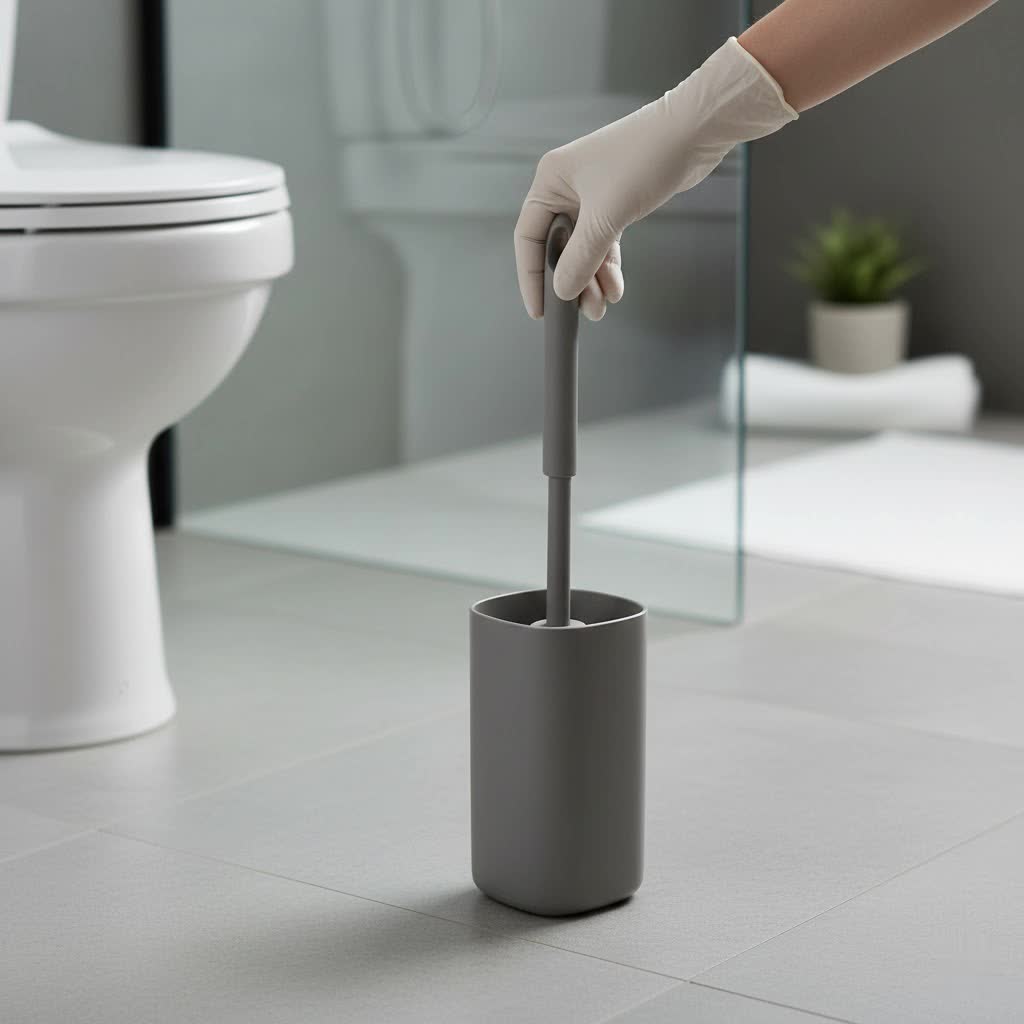
Keeping your bathroom sparkling clean is a commitment, and at the heart of that commitment lies a surprisingly critical tool: the toilet brush. Far from being just a simple scrubber, the right toilet brush can make all the difference in maintaining hygiene, tackling stubborn stains, and even elevating your bathroom’s aesthetic. But with countless options on the market, how do you choose the one that truly stands out? This comprehensive guide will walk you through everything you need to know, from understanding different types and materials to selecting features that make cleaning less of a chore and more of a quick, effective routine.
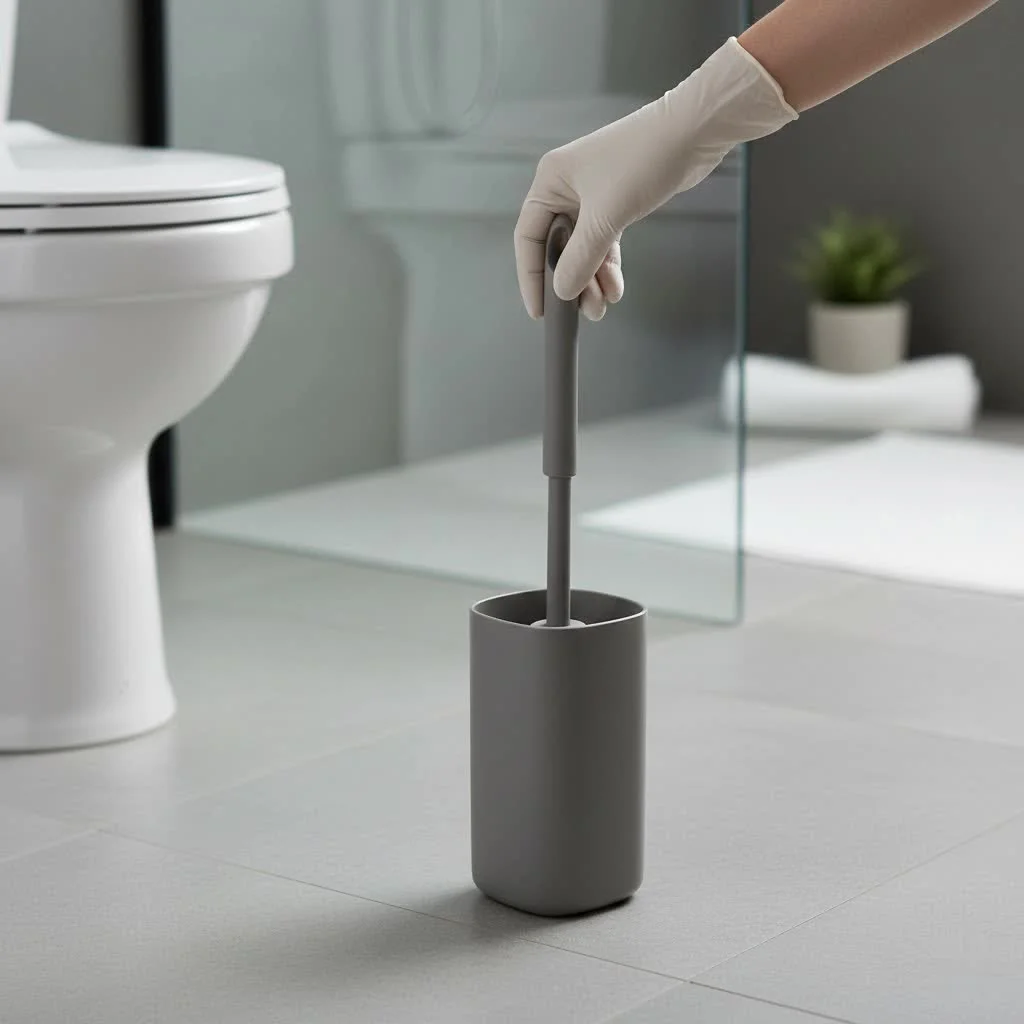
What is a Toilet Brush and Why Do You Need It?
A toilet brush is an essential bathroom cleaning implement designed specifically to scrub the inner surfaces of a toilet bowl, removing stains, grime, and maintaining a hygienic environment. While often overlooked, its role is paramount in preventing the buildup of bacteria and unsightly marks that can detract from an otherwise clean bathroom. Regularly using a toilet brush isn’t just about appearances; it’s a fundamental step in ensuring proper sanitation for your home. For shop curated toilet brushes on this site.
Over the years, the humble toilet brush has evolved significantly. Originally crafted from wood with natural animal bristles, today’s market offers a diverse range of options, each with its own advantages. The most common types you’ll encounter include traditional bristled brushes, modern silicone designs, and convenient disposable cleaning systems, all aimed at making toilet cleaning more efficient and hygienic.
Key Factors to Consider When Buying a Toilet Brush
Choosing the perfect toilet brush goes beyond just picking the first one you see. Several important factors contribute to its effectiveness, hygiene, durability, and overall user experience. By considering these elements, you can select a tool that truly meets your specific cleaning needs.
Type of Toilet Brush
The core design of a toilet brush significantly impacts its performance and how you maintain it. Understanding the pros and cons of each type is crucial.
- Traditional Bristled Toilet Brushes: These are the most common, featuring a head with stiff nylon or plastic bristles.
- Pros: Generally inexpensive, highly effective at scrubbing stubborn stains and tough grime thanks to their rigid bristles, and widely available.
- Cons: Can harbor bacteria and moisture, difficult to clean thoroughly, bristles can flatten, fray, or tangle hair over time, and some may have metal components that can rust.
- Silicone Toilet Brushes: A newer, increasingly popular alternative, these brushes feature flexible silicone “bristles” or nubs.
- Pros: Exceptionally hygienic due to non-porous material that resists water absorption, mold, and bacteria growth; easy to rinse clean; dries quickly; durable and retains shape well; gentle on toilet surfaces, preventing scratches.
- Cons: May require more effort for extremely stubborn, caked-on stains compared to stiff bristles; some users find them less effective at scrubbing power.
- Disposable Toilet Brush Systems: These consist of a reusable wand and disposable cleaning pads that attach to the head.
- Pros: Highly hygienic as you dispose of the pad after each use, eliminating germ storage; often come pre-loaded with cleaning solution.
- Cons: Can be more expensive in the long run due to continuous purchase of refills; less environmentally friendly; may lack the scrubbing power for heavy-duty cleaning.
- Electric Toilet Brushes: Though less common, these motorized brushes offer automated scrubbing with interchangeable heads.
- Pros: Reduces manual effort; can be effective for a deep clean with various attachments.
- Cons: Higher initial cost; requires charging or batteries; can be bulky.
Material
|
Our Picks for the Best Toilet Brush in 2026
As an Amazon Associate I earn from qualifying purchases.
|
||
| Num | Product | Action |
|---|---|---|
| 1 | OXO Good Grips Compact Toilet Brush & Canister - Gray |

|
| 2 | MR.SIGA Toilet Bowl Brush and Holder, Premium Quality, with Solid Handle and Durable Bristles for Bathroom Cleaning, White, 1 Pack |
|
| 3 | OXO Good Grips Compact Toilet Brush & Canister, Toilet Bowl Brush and Holder with Automatic Canister Door, Bathroom and Small Spaces Cleaning Supplies Essential |
|
| 4 | Clorox Under-Rim Toilet Bowl Brush with Corner Storage Caddy, 16 x 5 x 5.5 in |
|
| 5 | HAMITOR Toilet Bowl Brush Holder Set: Bathroom Deep Cleaning Toilet Cleaner Scrubber Under Rim with Curved Bristle for Dead Corner Clean - Hidden Rv Toilet Decorative Accessories with Caddy- Gray |
|
| 6 | Compact Toilet Brush & Holder, Stainless Steel Handle, Space Saving for Storage, Deep Cleaning, Drip-Proof, Easy to Assemble, Nylon Bristles, White & Grey |
|
| 7 | MR.SIGA Toilet Bowl Brush and Holder, Premium Quality, with Solid Handle and Durable Bristles for Bathroom Cleaning, Black, 1 Pack |
|
| 8 | SetSail Toilet Brush and Holder, Self Closing Lid Toilet Bowl Brushes Holder and Extra Long Handle Ventilated Toilet Brush Set for Bathroom Cleaning, Nylon Bristles, Black |
|
| 9 | HAMITOR Toilet Bowl Brush Holder Set: Bathroom Deep Cleaning Toilet Cleaner Scrubber Under Rim with Curved Bristle for Dead Corner Clean - Hidden Rv Toilet Decorative Accessories with Caddy- White |
|
| 10 | MR.SIGA Toilet Bowl Brush and Holder, Premium Quality, with Solid Handle and Durable Bristles for Bathroom Cleaning, Gray, 1 Pack |
|
The material of both the brush head and the handle affects its durability, hygiene, and aesthetic appeal.
- Plastic: Common for traditional bristles and handles. It’s inexpensive and resistant to chemicals. However, plastic bristles can wear out, and the material can become a breeding ground for germs if not properly cleaned.
- Stainless Steel: Often used for handles and holders, providing a sleek, modern look and excellent durability. It’s resistant to rust and corrosion, contributing to a longer lifespan.
- Silicone: As discussed, silicone heads offer superior hygiene and durability, resisting deformation and bacterial growth.
- Natural Fibers (e.g., coconut husk): An eco-friendly option, typically paired with wooden handles. While biodegradable, their cleaning efficacy and longevity might not match synthetic options.
Design
Thoughtful design elements significantly enhance a toilet brush’s functionality and user convenience.
- Brush Head Design:
- Shape and Size: Round heads are versatile, while tapered or angled heads are excellent for reaching under the toilet rim, a common breeding ground for germs. Flat or crescent-shaped heads can also offer specific advantages for rim cleaning.
- Flexibility: A flexible head, especially in silicone brushes, can contour to the bowl’s curves for a more thorough clean.
- Handle Design:
- Length: A sufficiently long handle (typically 14-17 inches) keeps your hands away from splashes, ensuring a more hygienic and comfortable cleaning experience. Some models even feature extendable handles.
- Grip: Ergonomic and non-slip grips prevent accidental slips during vigorous scrubbing, offering better control and reducing strain on your wrist.
- Holder Design:
- Ventilation: A well-designed holder allows air circulation, helping the brush dry quickly and preventing the growth of mold and mildew, which can lead to unpleasant odors. Some holders have open backs or ventilation slits.
- Drip Tray: Integrated drip trays collect excess water, keeping your bathroom floor dry and clean.
- Aesthetics and Storage: Consider a holder that complements your bathroom decor. Some are compact for small spaces, while others can be wall-mounted for discrete storage. Closed containers prevent odors but need proper ventilation, whereas open holders promote drying but expose the brush.
Features
Modern toilet brushes often come with additional features designed to improve cleaning performance and hygiene.
- Anti-bacterial Properties: Some materials or coatings can help inhibit the growth of bacteria on the brush head itself, adding an extra layer of hygiene.
- Rim Cleaner: Specialized bristles or an angled head design specifically for cleaning under the toilet rim, a notoriously hard-to-reach area.
- Easy to Clean and Store: Features like non-stick silicone, quick-drying holders, and compact designs contribute to overall convenience.
- Replaceable Heads: For reusable brushes, having replaceable heads extends the lifespan of the handle and holder, offering a more sustainable and cost-effective solution than buying a whole new unit.
Comparing Popular Toilet Brush Types
To help you make an informed decision, let’s look at a detailed comparison of the most common toilet brush types based on key attributes.
| Feature | Traditional Bristled Brush | Silicone Brush | Disposable Wand System |
|---|---|---|---|
| Material (Head) | Nylon, plastic, sometimes natural fibers | Silicone | Sponge-like pads (often pre-saturated with cleaner) |
| Hygiene | Can trap water, hair, and bacteria; harder to clean | Non-porous, quick-drying, resists bacteria/mold, easy to rinse | Excellent hygiene, as pads are discarded after each use |
| Cleaning Effect. | Excellent for heavy scrubbing, tough stains | Good for general cleaning; may struggle with very stubborn grime | Effective for general cleaning; relies on cleaner in pads |
| Durability | Bristles can flatten, fray over time, some parts may rust | Very durable, retains shape, long-lasting | Wand is reusable, but pads are single-use |
| Maintenance | Requires rinsing; difficult to sanitize fully | Easy to rinse and sanitize (can be boiled) | No brush cleaning needed; just dispose of pad |
| Environmental Impact | Plastic waste from replacement brushes | Less waste if durable; silicone is not biodegradable | Creates ongoing waste from disposable pads |
| Price Range | Low to Mid | Mid to High | Mid (initial cost) + ongoing refill cost |
| Pros | Inexpensive, strong scrubbing power | Hygienic, durable, quick-drying, gentle | Convenient, no dirty brush storage, pre-loaded cleaner |
| Cons | Less hygienic, wears out faster, can drip | Less aggressive scrubbing for extreme stains | Ongoing cost, environmental impact, less scrubbing power |
For daily maintenance and superior hygiene, a silicone brush is often an excellent choice due to its resistance to bacteria and ease of cleaning. If you consistently face heavy-duty scrubbing needs, a traditional bristled brush might offer more immediate power. For those prioritizing ultimate convenience and germ avoidance, a disposable system is hard to beat, though it comes with a recurring cost and environmental consideration.
Your Guide to Buying the Perfect Toilet Brush
Navigating the options can feel overwhelming, but with a clear strategy, you can confidently choose the best toilet brush for your home.
Assess Your Needs
Before you start shopping, take a moment to consider what you truly need from a toilet brush.
- Frequency of Use: Do you need a brush for quick, daily touch-ups, or is it primarily for deeper, less frequent cleaning?
- Specific Cleaning Challenges: Do you have issues with hard water stains, mildew under the rim, or a need for a brush that can tackle tough grime? Look for features like rim cleaners or extra-stiff bristles.
- Hygiene Priorities: Are you highly sensitive to germs and odors? A silicone brush or disposable system with excellent ventilation might be a top priority.
- Bathroom Aesthetics: Do you prefer a discreet, hidden brush, or one that complements your bathroom decor? Consider the holder’s design and material.
- Budget: Toilet brushes range significantly in price. Determine how much you’re willing to spend, keeping in mind that a higher initial cost for a durable, hygienic option can save money in the long run.
Research Products
Once you know your needs, delve into product research to find options that fit.
- Read Reviews: Consult reputable review sites and customer feedback. Pay attention to comments regarding cleaning effectiveness, durability, and hygiene. Look for mentions of how well brushes clean under the rim or how easily they dry.
- Expert Opinions: Look for articles or videos from cleaning professionals or home experts who have tested various products. Their insights can be invaluable.
- Compare Prices: Don’t just settle for the first price you see. Check different retailers to ensure you’re getting a competitive deal. Remember to factor in the cost of replacement heads or disposable refills if applicable.
Purchase from Reputable Stores
Where you buy your toilet brush can be as important as which one you choose.
- Choose Stores with Clear Return Policies: This provides peace of mind in case the product doesn’t meet your expectations or arrives damaged.
- Inspect the Product: If buying in person, check the bristles, handle, and holder for any visible defects or weaknesses. Ensure the handle feels sturdy and comfortable.
- Request a Receipt: Always keep your proof of purchase for warranty or return purposes.
Top-Rated Toilet Brushes for a Sparkling Clean Bathroom
Based on user reviews, expert testing, and our comprehensive criteria, here are some of the most popular and highly-regarded toilet brushes available today:
- OXO Good Grips Compact Toilet Brush & Canister: A consistently top-rated choice, known for its stiff, effective bristles and a cleverly designed canister that opens and closes automatically. The compact design and rim cleaner are major pluses.
- Sellemer Toilet Brush and Holder: Often praised as a “best value” silicone option. Its flexible, flat silicone head is excellent for reaching tight spots, and the fast-drying, well-ventilated holder is a hygiene highlight.
- Better Living Products Looeez Hygienic Toilet Squeegee: This innovative silicone squeegee-style brush offers superior hygiene and impressive cleaning power, especially for stains. Its flexible head and non-drip design are frequently highlighted.
- Clorox Disinfecting ToiletWand Cleaning System: For those who prioritize ultimate germ control, this disposable system is a favorite. The pre-loaded cleaning pads and no-touch disposal make it incredibly convenient and hygienic, though ongoing refill costs should be considered.
- simplehuman Toilet Brush with Caddy: Known for its elegant design and durable stainless steel handle. It features a crescent-shaped brush head designed to reach under the rim and a drip-free magnetic collar that keeps the brush securely in its ventilated holder.
- Joseph Joseph Flex Smart Toilet Brush: This silicone brush stands out with its D-shaped, flexible head that can reach all areas of the bowl, including under the rim. Its non-clog design prevents hair and debris from tangling.
- Libman Designer Bowl Brush and Caddy: A sturdy traditional bristled brush with an ergonomic handle and a caddy designed for ventilation while still containing the brush. It offers a balance of affordability and effective cleaning.
Each of these options brings unique strengths to the table, catering to different preferences for material, design, and budget.
Tips for Using and Maintaining Your Toilet Brush
To maximize the effectiveness and lifespan of your toilet brush, and to ensure optimal bathroom hygiene, proper usage and maintenance are key.
- Use the Right Technique: Apply a good toilet bowl cleaner, allow it to sit for a few minutes, then scrub thoroughly. Pay special attention to the waterline and under the rim. For silicone brushes, let the flexible nubs do the work rather than pressing too hard, which can flatten them.
- Rinse After Every Use: After scrubbing, hold the brush in the toilet bowl while flushing clean water over it. Swirl it around to rinse off any debris and cleaning solution. Some prefer to spray the brush with a disinfectant cleaner before returning it to its holder.
- Allow to Air Dry: Never put a wet brush directly back into a sealed holder. Excess moisture encourages bacterial growth and unpleasant odors. If your holder has ventilation holes or an open design, utilize it. For closed holders, you might briefly wedge the handle between the toilet seat and bowl to allow excess water to drip off before storing it.
- Clean the Holder Regularly: The holder can collect drips and harbor germs. Clean it weekly with toilet bowl cleaner or a disinfectant spray, and ensure it’s dry before placing the brush back inside.
- Replace When Needed: Even the most durable brushes eventually wear out. Traditional bristled brushes should be replaced if the bristles become flattened, matted, or discolored. Silicone brushes, while more resilient, may need replacing if the nubs show significant wear or if hygiene becomes a concern. Disposable systems, by their nature, involve regular pad replacement.
- Sanitize Periodically: For reusable brushes, consider sanitizing them periodically. You can do this by soaking the brush head in a solution of bleach and water (never mix bleach with other cleaners like ammonia!) or by using a strong disinfectant spray. Silicone brushes can often be sterilized with hot water or boiling.
“A toilet brush is often out of sight, out of mind, but neglecting its cleanliness means you’re just spreading germs, not eliminating them. A quick rinse and proper air drying are non-negotiables.” – Cleaning Expert, Sarah Johnson
Conclusion
Choosing the right toilet brush is a small decision that makes a big impact on your bathroom’s cleanliness and hygiene. From the robust scrubbing power of traditional bristles to the superior hygiene of silicone and the convenience of disposable systems, there’s a perfect option for every household. By considering factors like material, design, and specific features, you can select a tool that not only gets the job done but also simplifies your cleaning routine and contributes to a healthier home environment. Remember, a clean toilet starts with a great toilet brush.
What type of toilet brush will you choose to elevate your bathroom cleaning game?
Frequently Asked Questions
What is the most hygienic type of toilet brush?
Silicone toilet brushes are generally considered the most hygienic due to their non-porous material, which resists water absorption and the growth of bacteria and mold. They are also easier to rinse clean and dry quickly compared to traditional bristled brushes.
How often should I replace my toilet brush?
For traditional bristled brushes, it’s recommended to replace them every 6-12 months, or sooner if the bristles are visibly flattened, frayed, or discolored. Silicone brushes can last longer due to their durability, but should still be replaced if they show significant wear or if you notice persistent odors or grime. Disposable systems require new pads with each use.
Are silicone toilet brushes effective for cleaning?
Yes, silicone toilet brushes are effective for general cleaning and maintaining toilet hygiene. While some users find them less aggressive for extremely stubborn stains than stiff bristled brushes, their flexibility allows them to reach tricky areas, and their non-porous nature makes them excellent for preventing germ buildup.
Can I clean under the toilet rim with any toilet brush?
Not all toilet brushes are equally effective at cleaning under the rim. Look for brushes with specialized features like an angled head, tapered bristles, or a flexible, D-shaped design, which are specifically engineered to reach and scrub this hard-to-access area.
How do I prevent my toilet brush from dripping?
To minimize drips, rinse the brush thoroughly in the toilet bowl after use. Many modern toilet brush holders are designed with drip trays or ventilation systems that allow the brush to air dry quickly, preventing water from pooling on your bathroom floor. You can also briefly wedge the brush handle between the toilet seat and bowl to let excess water drip into the bowl before storing it.
Get our weekly buyer guide
Practical specs, not advice. Unsubscribe anytime.
